Overview
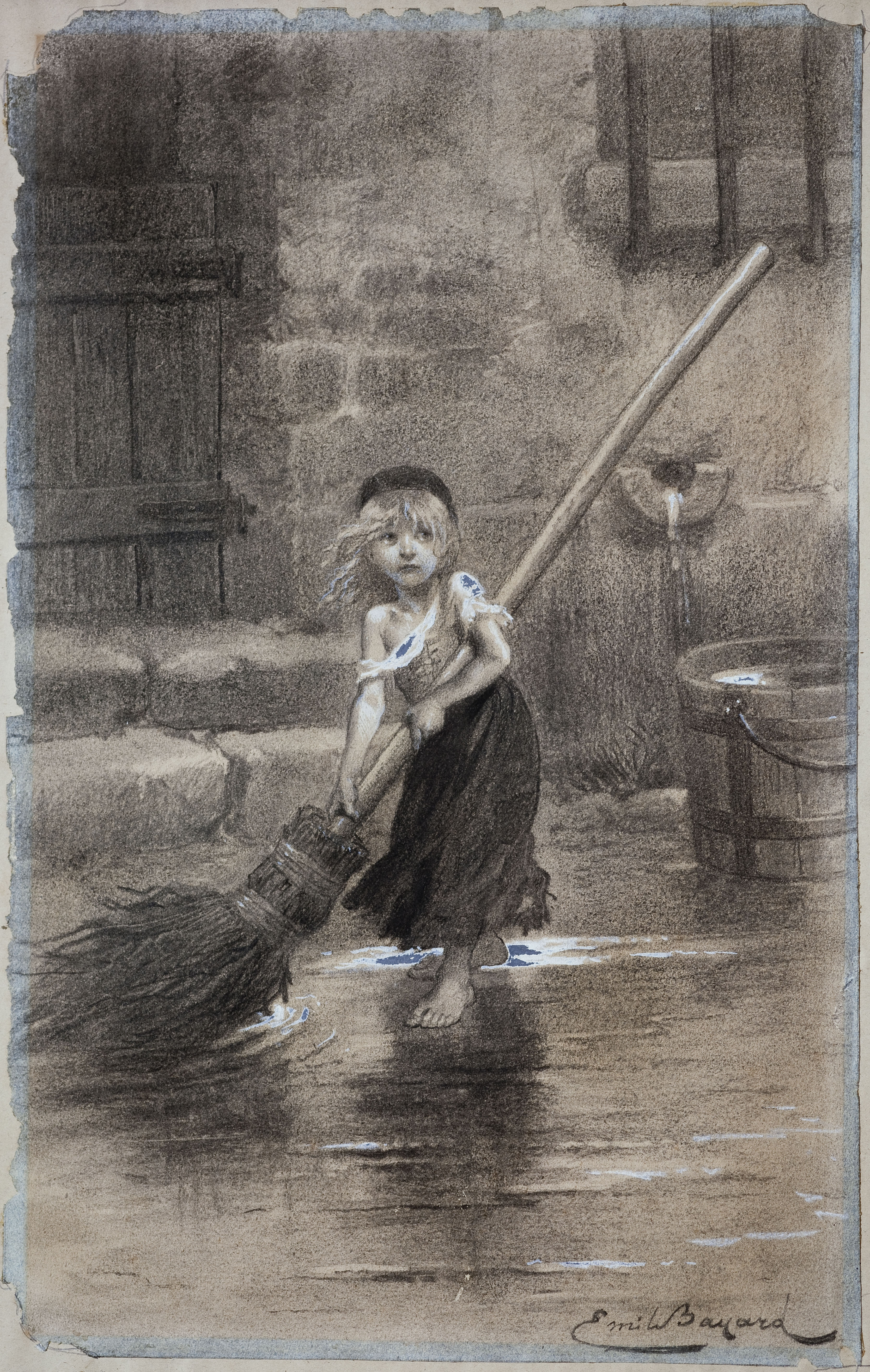
Victor Hugo's Les Misérables arrived in 1862 after more than a decade of writing and rewriting, a sprawling epic that Hugo insisted was not just a novel but a examination of society's poorest and most vulnerable. The book spans 1,400 pages in most English editions, though the original French text runs longer, and it moves from the Battle of Waterloo to the streets of Paris during the June Rebellion of 1832. At its center is Jean Valjean, a former convict who breaks parole and spends nearly two decades trying to live honestly while pursued by the relentless inspector Javert. Around him Hugo assembles a cast that includes the doomed Fantine, her daughter Cosette, the street urchin Gavroche, and the student revolutionaries who man the barricades. Hugo interrupts the narrative constantly with digressions on the Paris sewer system, the argot of the criminal underworld, the history of a convent, and the moral architecture of the bishop who first sets Valjean on his path. These essays frustrate some readers and fascinate others, but they are inseparable from the novel's argument: that poverty, ignorance, and desperation are social failures, not personal ones. The book blends historical fiction, social criticism, and moral philosophy, and it wears its Romantic-era sentimentality openly. First published in French by A. Lacroix, Verboeckhoven & Cie. in 1862, the novel appeared simultaneously in several cities, including Paris, Brussels, and London. English translations followed within months, though the title stayed French in most markets. Hugo's publisher paid him 300,000 francs for the rights, a fortune at the time, and the first printing sold out in days. The novel's afterlife on stage and screen has made its story familiar even to people who have never opened the book.
Book Info
- Author
- Victor Hugo
- Published
- +1862
- Language
- French
Join the community
fans discussing