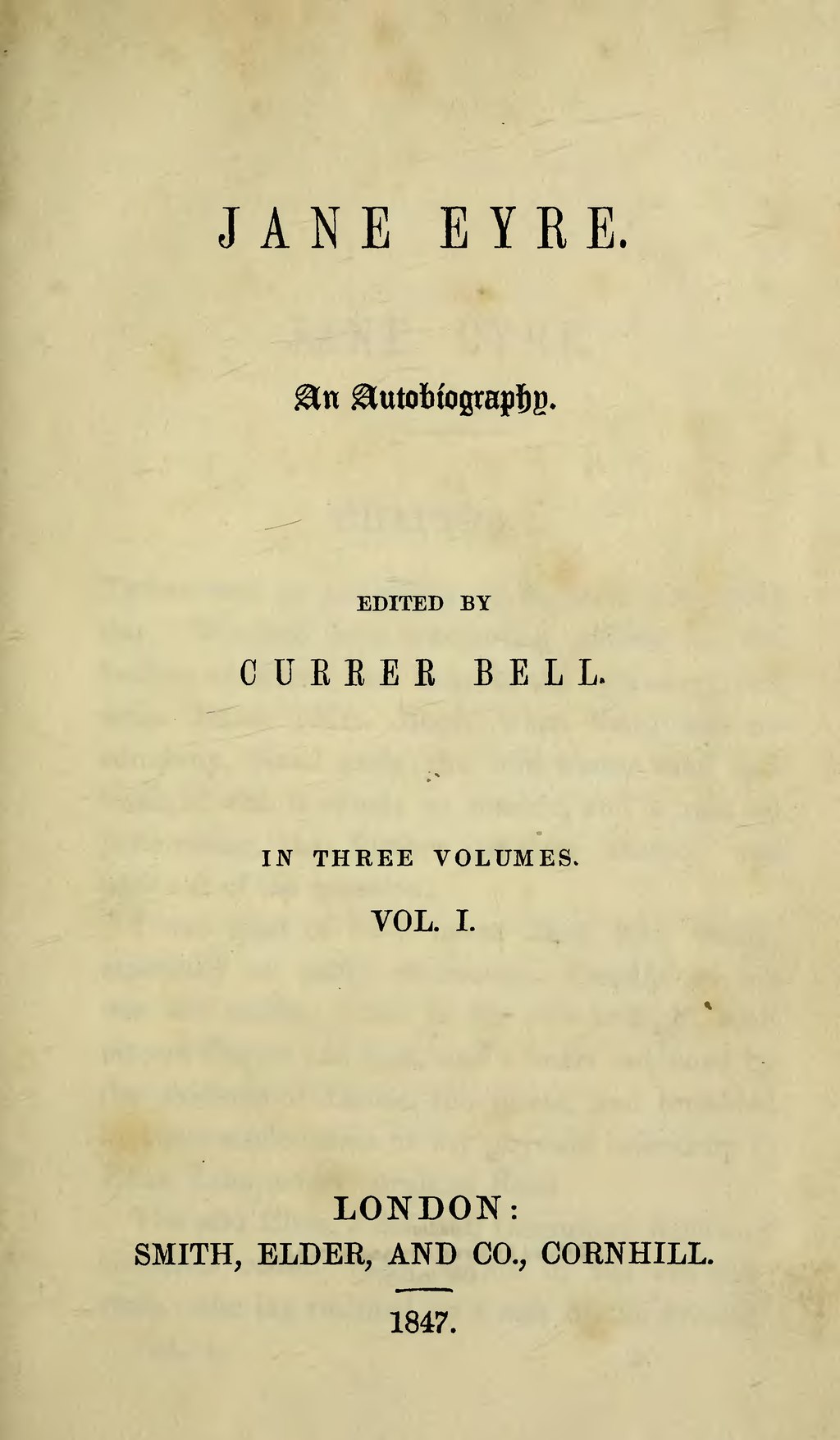
Jane Eyre
Charlotte Brontë
Overview
Published on October 19, 1847, under the pseudonym Currer Bell, Jane Eyre arrived as a startling new voice in Victorian literature. Charlotte Brontë crafted this bildungsroman to trace the life of its orphaned heroine from a harsh childhood at Gateshead Hall through her time as a governess at Thornfield Manor. The narrative focuses heavily on Jane's internal growth and her complex relationship with Mr. Rochester, the brooding master of the estate. This intimate first-person perspective allowed readers to experience events through a psychological lens that felt revolutionary for the era. Critics often point to how the novel blends social criticism with deep Christian morality while championing individualism. Jane challenges the rigid class structures and gender roles of her time, making her a figure ahead of her century. Her journey explores themes of sexuality, religion, and feminism with a raw honesty that set it apart from other romance novels of the period. Alongside works like Pride and Prejudice, it stands as a defining example of the genre, though its power comes from Jane's specific struggles rather than broad romantic tropes. The book remains one of the most celebrated stories in the English language, ranking tenth in the BBC's 2003 poll of Britain's best-loved books. Its influence extends far beyond romance, shaping the development of modern fiction by prioritizing the private consciousness of its protagonist. Writers ranging from Marcel Proust to James Joyce owe a debt to Brontë's technique of mapping moral and spiritual evolution through personal narrative.
Book Info
- Author
- Charlotte Brontë
- Publisher
- Smith, Elder & Co., Harper
- Published
- +1847
- Language
- English
Join the community
fans discussing