 Turkey
About
The Sultan Ahmed Mosque, better known as the Blue Mosque, is one of Istanbul's most recognizable landmarks. Built between 1609 and 1617 under the Ottoman sultan Ahmed I, it was designed by architect Sedefkâr Mehmed Ağa, a student of the famed Mimar Sinan. The mosque's nickname comes from the thousands of blue Iznik tiles that decorate its interior, a detail that draws millions of visitors each year.
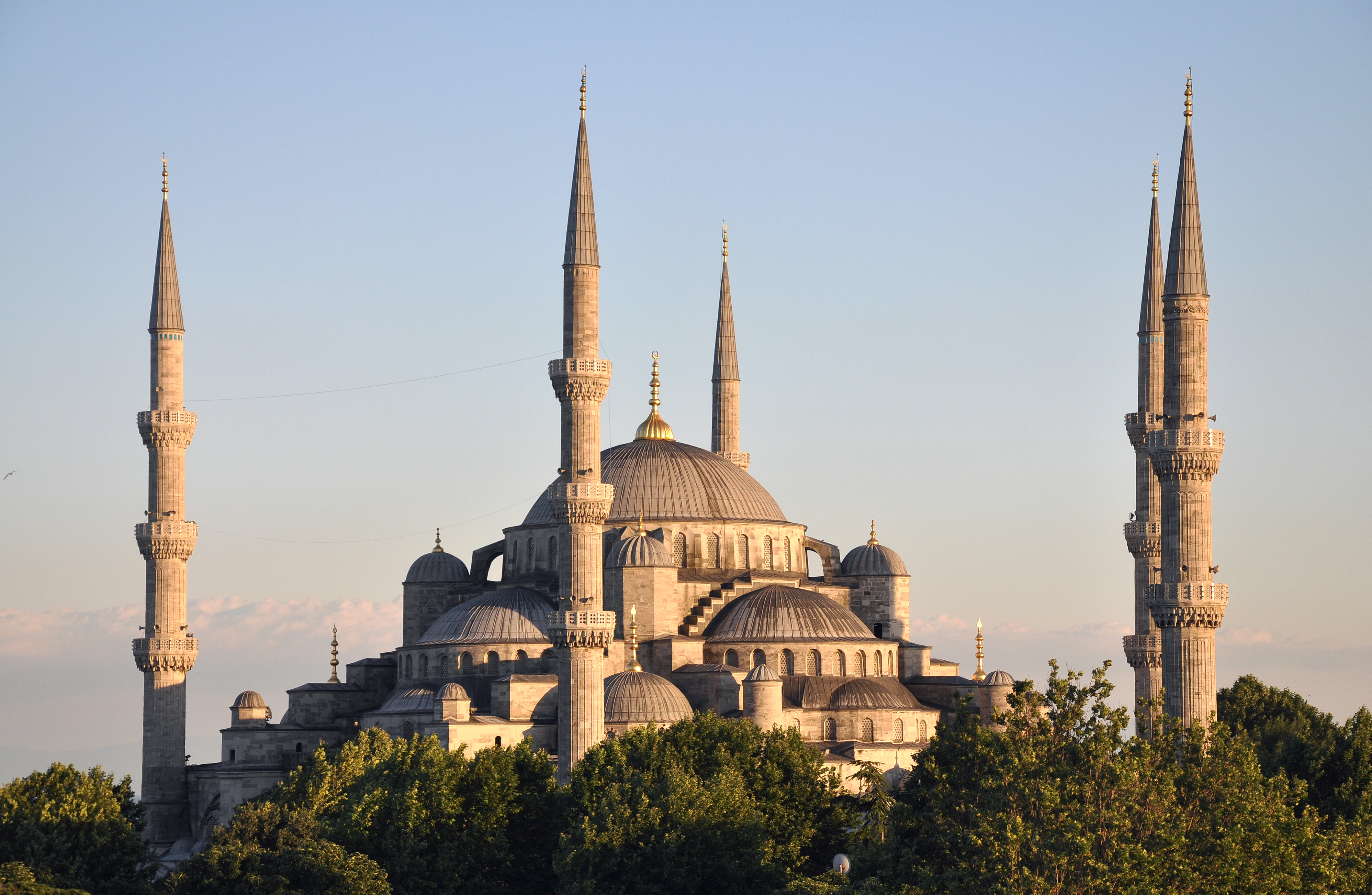
As a functioning mosque and a major tourist site, the Blue Mosque sits in the heart of Istanbul's historic Sultanahmet district, facing the Hagia Sophia across a spacious square. Its silhouette, with six minarets and a cascade of domes, defines the city's skyline. The structure is a masterpiece of classical Ottoman architecture, combining Byzantine elements with Islamic design. While it remains an active place of worship, it also serves as a symbol of Ottoman imperial power and artistic achievement.
The mosque's construction was a response to the military setbacks of the Ottoman Empire, as Ahmed I sought to reaffirm divine favor through a grand architectural statement. It was completed in just seven years, an impressive feat given the scale. The Blue Mosque can hold over 10,000 worshippers, and its courtyard is one of the largest of any mosque in Turkey. Entry is free, though donations are appreciated. Visitors are asked to dress modestly and remove their shoes, as it is a sacred space.
Mission
The Blue Mosque serves a dual purpose: it is an active center of Islamic worship, holding prayers five times a day, and it functions as a major cultural and historical landmark open to visitors. As an imperial mosque, it was historically a symbol of Ottoman imperial power and artistic achievement. Today, it continues to serve the Muslim community of Istanbul while welcoming millions of tourists annually. Visitors are asked to dress modestly and remove their shoes, as it is a sacred space.
History
Construction of the Blue Mosque began in 1609 under the direction of Sedefkâr Mehmed Ağa, who had trained under the legendary architect Mimar Sinan. Sultan Ahmed I commissioned the project during a period of Ottoman military decline, hoping a grand religious monument would restore divine favor. The site chosen was the former palace of the Byzantine emperors, a location steeped in imperial history.
The mosque was completed in just seven years, an extraordinary pace for a structure of its size. It opened for worship in 1616 or 1617, just before Ahmed I's death at age 27. The choice of six minarets sparked controversy, as the Great Mosque of Mecca was then the only mosque with six. Ahmed I resolved the dispute by funding a seventh minaret for the Mecca mosque.
Over the centuries, the mosque has remained a functioning place of worship, surviving earthquakes, fires, and the transition from Ottoman to modern Turkey. Restoration efforts have been ongoing to preserve its delicate Iznik tiles and structural integrity, ensuring its place as a living monument.
Notable People
Ahmed I
Founder and patron · 1603–1617
Commissioned the mosque to reaffirm Ottoman power after military setbacks; died at 27 shortly after its completion.
Sedefkâr Mehmed Ağa
Architect · 1609–1617
Designed the mosque as a student of Mimar Sinan, completing it in just seven years.
Milestones
1609
Construction begins under Sultan Ahmed I
1616–1617
Construction completed; mosque opens for worship
1617
Sultan Ahmed I dies at age 27
Modern era
Ongoing restoration efforts to preserve tiles and structure
Sources
Organization Info
- Founded
- 1609
- Headquarters
- Sultanahmet, Istanbul, Turkey
- Country
- Turkey
- Type
- Religious
- Founder
- Ahmed I
- Architect
- Sedefkâr Mehmed Ağa
- Minarets
- 6
- Capacity
- Over 10,000 worshippers
- Iznik tiles
- Approximately 20,000
- Windows
- 260
Official Website
bluemosque.tr
Join the community
fans discussing