 Iran
IranAbout
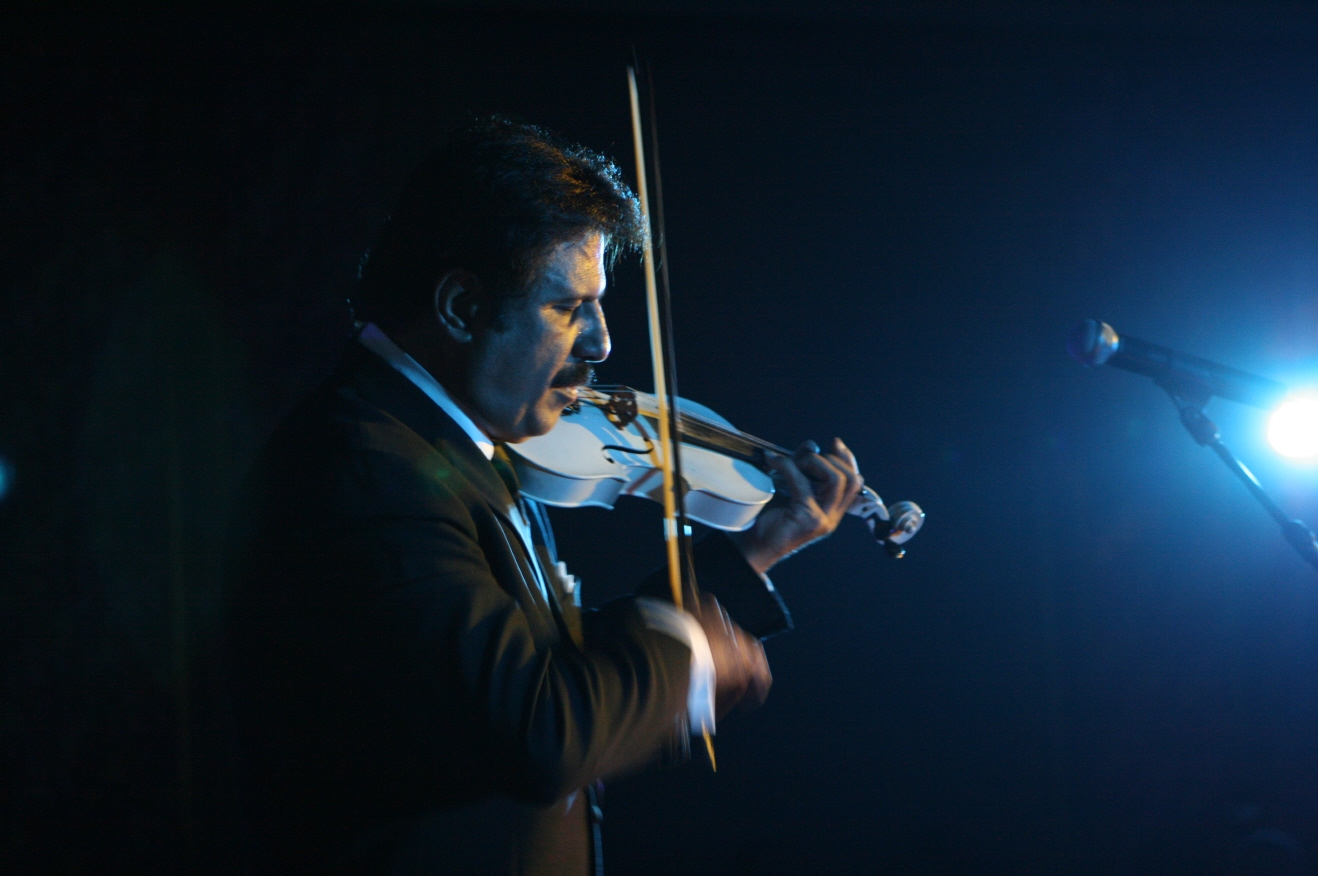
Bijan Mortazavi is a celebrated Iranian virtuoso violinist, composer, arranger, and singer whose career has spanned over five decades. Born in Sari, he rose to prominence within Iran's traditional music scene before his career took him across Europe and North America. His artistry blends the technical precision of classical violin with the emotional depth of Dastgah modal systems, creating a sound that resonates deeply with listeners worldwide. As of 2026, Mortazavi holds the distinction of being a Doctor of Music from Solent University in Southampton, UK, reflecting his continued dedication to musical education and performance despite his long-standing exile from Iran.
Today, he remains a central figure in preserving and evolving Persian classical traditions outside his homeland. He commands a significant social media presence, particularly on Instagram where he shares updates and behind-the-scenes content with millions of followers. His work continues to be a unifying force for the global Iranian diaspora, bridging cultural gaps through instrumental mastery. While maintaining a low profile regarding his personal life, his musical legacy remains vibrant through streaming platforms and live performances. He is widely recognized not just as a performer but as a scholar dedicated to the preservation of music, balancing artistic output with academic rigor.
Early Life & Background
Bijan Mortazavi entered the world on November 16, 1957, in Sari, a city in northern Iran known for its lush landscapes and rich cultural history. During this period, Iran was experiencing significant cultural development for Persian classical music, providing a fertile ground for young talent. From a young age, he displayed an intense fascination with the violin, dedicating himself to rigorous practice that set him apart from his peers. His early years were spent absorbing the nuances of Persian classical music, particularly the complex structures of Dastgah, which form the backbone of traditional Iranian melodies.
Before achieving international recognition, Bijan honed his craft within the vibrant concert halls of Tehran during the 1970s. He joined local ensembles and performed alongside established artists, refining his technique under strict mentorship. This period was defined by an unwavering commitment to mastering his instrument, laying the groundwork for a career that would eventually bridge continents. His dedication during these formative years allowed him to develop a distinctive style that balanced traditional roots with innovative expression, earning him a reputation as a rising star in the capital.
The geopolitical shifts of the late 20th century altered the trajectory of his life and career. Following the Islamic Revolution, the cultural climate in Iran changed significantly, prompting many artists to seek opportunities abroad. Mortazavi made the difficult decision to leave his homeland in the late 1980s, relocating first to Europe and eventually settling in the United States. This transition marked the end of his pre-fame chapter in Iran and the beginning of a new era where he would rebuild his reputation in the diaspora, facing the challenges of starting anew in a foreign land.
Career Growth
Mortazavi's breakthrough arrived through his influential partnership with renowned composer Sadegh Nojouki in the 1980s. Their collaboration produced some of the most enduring instrumental tracks in modern Iranian music history, blending the violin's soaring tones with Nojouki's intricate compositions. Pieces like Ey Jaan and Beraghs became staples in Iranian households, played at weddings and cultural gatherings across the globe. This work established Mortazavi as a leading voice in Persian instrumental music, creating a new sonic landscape that blended classical techniques with deep folk roots.
Following his move to the West, he successfully rebuilt his career in the United States and the United Kingdom. He performed at major venues catering to the Iranian community, earning respect for his technical proficiency and emotional delivery. His ability to connect with audiences transcended language barriers, making his music a unifying force for expatriates longing for a piece of home. Over the years, he expanded his repertoire to include songwriting and arranging, showcasing his versatility beyond solo performance. By the 2000s, he began releasing popular singles and expanding his digital presence, launching a YouTube channel that garnered hundreds of thousands of monthly listeners.
In a notable pivot from pure performance to academia, Mortazavi earned a Doctor of Music degree from Solent University in Southampton. This achievement underscored his role not just as a performer but as a scholar dedicated to the preservation and education of music. By mid-2026, he remained active in the public eye, navigating the complexities of exile while continuing to release new material. His presence at high-profile events, such as the FIFA World Cup final in July 2026, highlighted his status as a respected cultural icon among Iranians worldwide, solidifying his legacy as a master of his craft.
Career Timeline
Public Image & Style
Mortazavi projects an image of elegance and scholarly dedication. On stage, he typically wears formal suits or traditional Persian attire, commanding attention with a dignified presence. His demeanor reflects the seriousness of a master musician who treats his art as a profound responsibility rather than mere entertainment. Media perception focuses heavily on his role as a preserver of tradition, often describing him as a "Master of the Violin" in Persian music circles.
He is frequently cited in compilations of top Iranian musicians by outlets like Radio Javan and BBC Persian, often appearing in the top tier alongside legendary figures. His social media voice is reserved yet engaging, offering fans glimpses into his daily life and artistic process without oversharing. Despite lacking appearances on major Western magazine covers like *TIME* or *Vogue*, his coverage is robust within Persian-language digital media platforms catering to the diaspora. He is recognized for his ability to convey deep emotion through his instrument, serving as a cultural ambassador who bridges the gap between ancient traditions and modern global audiences.
Fame & Fandom (iFAMOUS Rankings)
iFANN has not yet collected fame data for this person. As of the September 2026 rankings, no official placement exists in the global database, meaning he has not been evaluated for standard celebrity ranking metrics. The fanbase for Bijan Mortazavi does not have a formal coined name like those found in pop culture; supporters simply refer to themselves as fans of Persian instrumental music or followers of Mortazavi.
Despite the lack of an official label, the community is highly organized within the Iranian diaspora, particularly in North America and Europe. Fans actively stream his music to boost chart positions and organize tribute concerts to honor his contributions. Rituals within the fandom include requesting specific songs like Ey Jaan at community events. The release of new singles often triggers immediate social media campaigns using hashtags like #BijanMortazaviNewRelease. This dedicated following ensures his music remains a vital part of cultural celebrations and gatherings worldwide, with his Instagram account serving as a primary hub for engagement with approximately 2 million followers.
Interesting Facts and Legends
A defining moment in Mortazavi's lore is his collaboration with Sadegh Nojouki. Their work created a new sonic landscape for Persian music, blending classical techniques with deep folk roots. These tracks remain iconic, often cited as essential listening for anyone interested in Iranian culture. Fans frequently retell stories of him performing in small community centers in Los Angeles or London, maintaining the dignity of a grand master despite the humble settings.
The confusion surrounding his potential return to Iran in September 2026 added a modern chapter to his story. Reports emerged claiming he had traveled back, only for him to issue a video denying the claims on September 28, 2026. Conflicting reports later suggested he had actually arrived in Tehran, sparking debates within the community about the safety and implications of exiled artists returning home. Additionally, he was noted as one of two Iranians present at the FIFA World Cup final in July 2026, highlighting his visibility in the global Iranian community despite not performing there.
While specific height measurements are not publicly recorded, his physical presence is noted for its elegance. He manages his own music production brand, controlling his catalog directly and retaining rights to his extensive discography. His estimated net worth ranges between $1 million and $3 million USD, derived from royalties, live performances, and teaching income, though exact figures remain private. These elements combine to create a complex narrative of an artist who has navigated exile, academia, and superstardom simultaneously.
Notable Quotes
“Music is the only language that can cross borders and heal wounds.”
“I am focused on my music and my students; I am not making any political statements.”
Family & Personal Life
Public information regarding Bijan Mortazavi's family structure remains scarce, reflecting his preference for keeping personal matters separate from his professional achievements. While details about children are not extensively publicized in mainstream media, it is understood that he has family members living both within the diaspora and potentially in Iran. Specific names and counts are not part of the public record, ensuring his privacy is maintained against the backdrop of his public fame. He is generally regarded as having kept his family life private throughout his long career, focusing instead on his musical contributions.
His siblings and parents have not been publicly identified in credible sources up to 2026, likely due to the sensitive nature of his exile status and the desire to protect relatives who may still reside in Iran or elsewhere. There are no widely documented public records of marriages, engagements, or high-profile dating history available in credible sources up to 2026. Unlike many Western pop stars, he maintains a low profile regarding his private life, likely due to cultural norms and the nature of his exile community. This discretion extends to his household, where specific living arrangements and daily domestic routines remain unknown to the general public, preserving a boundary between his public persona and private existence.
Notable Connections
Sadegh Nojouki, Solent University Faculty, Diaspora Community Leaders
Relationships & Dating History
Public information regarding Bijan Mortazavi's romantic relationships is sparse. Unlike many Western pop stars, he maintains a low profile regarding his private life, likely due to cultural norms and the nature of his exile community. There are no widely documented public records of marriages, engagements, or high-profile dating history available in credible sources up to 2026.
As of late 2026, there is no confirmed information indicating he is currently married or in a public relationship. He is generally regarded as having kept his personal life separate from his professional achievements. While details about children are not extensively publicized, it is understood that he has family members living both within the diaspora and potentially in Iran, though specific names and counts are not part of the public record. His approach to relationships is characterized by a deliberate separation of his public persona from his private affairs, ensuring that his family remains shielded from the spotlight that surrounds his musical career.
Salary, Net Worth In 2026
$3 Million
iFANN Editorial Team estimate
iFANN currently estimates Bijan Mortazavi's net worth at approximately $3 million USD, though credible estimates place the range between $1 million and $3 million depending on the source. This figure reflects the earnings of an artist operating outside the mainstream Western commercial system, where financial disclosures are rarely public. His wealth stems from a combination of steady income streams including music royalties, live performances, and educational endeavors.
Music royalties provide a consistent revenue base, with his instrumental tracks accumulating millions of plays on platforms like Spotify, Apple Music, and YouTube. Live performances in the US, Europe, and Canada for the Iranian community also contribute significantly to his annual income. Additionally, his academic position and affiliation with Solent University likely provide a stable salary alongside teaching income from masterclasses. While specific real estate holdings are not public, it is typical for exiled artists of his stature to own property in the UK or US.
Limited public data suggests he manages his own music production brand, controlling his catalog directly and retaining rights to his extensive discography. Some conservative estimates suggest closer to $1 million, noting that much of his revenue comes from smaller, independent concerts and licensing rather than blockbuster tours. The estate's financial trajectory has remained stable, supported by the enduring popularity of his work among the diaspora and his strategic control over his intellectual property.
Awards & Accolades
View 3 records, honours and achievementsKnown For
Ey Jaan
2000 · Performer
Beraghs
1985 · Performer
Keywords
Sources
Quick Facts
- Profession
- violinist, singer, composer
- Born
- November 16, 1957
- Birthplace
- Sari, Iran
- Gender
- Male
- Birth Sign
- Scorpio
Personal Details
- Children
- Education
- Doctor of Music, Solent University, Southampton, UK
Frequently Asked Questions
How old is Bijan Mortazavi?
Is Bijan Mortazavi still alive?
Where did Bijan Mortazavi go to university?
Did Bijan Mortazavi return to Iran in 2026?
Who is Bijan Mortazavi's main collaborator?
Similar People
Join the community
fans discussing