 United States
“Like many a Hallmark rom-com, Big Eden takes place in a too-good-to-be-true, postcard-pretty small town where everybody knows everybody.”
Peterson Reviews
Peterson Reviews
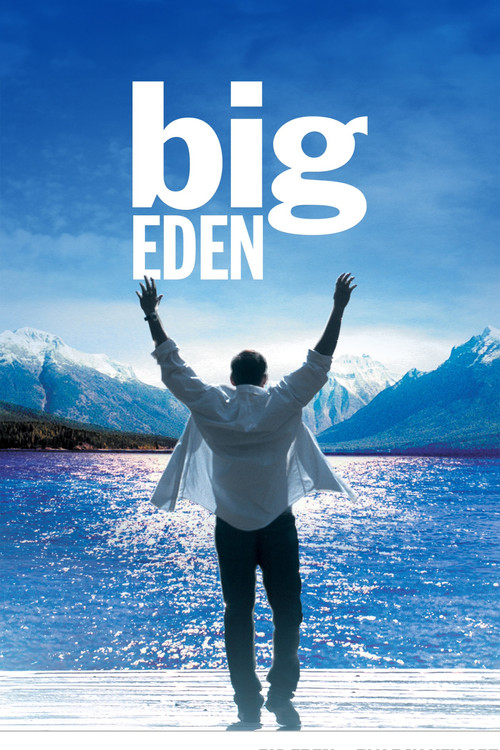
Henry Hart, a thirty-something gay artist living in New York City, abandons his urban career when news arrives that his grandfather Sam has suffered a debilitating stroke. This medical crisis forces Henry to return to Big Eden, Montana, a small town where he grew up and where everyone knows everyone. The film opens with Henry navigating the transition from city life to the quiet rhythms of rural Montana, carrying both the weight of family duty and the hope of reconnecting with his past.
Upon arrival, Henry finds himself drawn back to Dean Stewart, a childhood friend who remains in the community. Dean is a man of few words with deep ties to his Native American heritage through his mother, Grace Cornwell. Their history is complicated by unspoken feelings from high school, fears of rejection, and the societal expectations of the era. As Henry settles into the family home, the narrative focuses on their rekindling bond, set against a backdrop of natural beauty and a supportive but nosy community.
Stream
Availability and pricing can change. Confirm on the provider's site before purchasing.
The story unfolds as Henry attempts to rebuild his relationship with Dean while caring for his recovering grandfather. The town of Big Eden serves as more than just a setting; it acts as a character itself, offering a sanctuary where secrets are hard to keep but love is abundant. Henry spends his days tending to Sam and revisiting old memories with Dean, sharing quiet moments by the river that highlight the tension between their friendship and Henry's romantic longing. Dean struggles with his own internal conflicts regarding his identity and future, often feeling pressured by the community to conform to traditional roles.
As Sam's condition stabilizes, the focus shifts entirely to the evolving dynamic between Henry and Dean. They navigate awkward conversations about their shared past and the lives they have led apart. The film introduces other townsfolk like the sharp-tongued Widow Thayer and eccentric locals who provide comic relief and emotional support. These interactions underscore the theme of forgiveness and the courage required to be honest about one's true self. Henry hopes that returning home will allow him to find peace and perhaps a new beginning, while Dean wrestles with whether he can ever truly open his heart to someone he loves.
The narrative builds toward a series of poignant interactions where both men must decide whether to continue hiding their feelings or embrace the possibility of a shared future. The story explores themes of acceptance, the transformative power of returning to one's roots, and the idea that love can bridge even the deepest divides. Throughout the journey, the film maintains a gentle pace, allowing the characters to grow organically without rushing toward a resolution. The serene landscape of Montana provides a constant reminder of the simplicity and depth of human connection, contrasting sharply with the complexity of Henry's former life in the city.
Critical Consensus
Big Eden offers a heartfelt if occasionally predictable romantic drama that celebrates the power of love and acceptance in a small-town setting. While its plot follows familiar tropes, the film’s strength lies in its genuine performances and sincere exploration of LGBTQ+ themes, making it a touching entry in the genre.
“Like many a Hallmark rom-com, Big Eden takes place in a too-good-to-be-true, postcard-pretty small town where everybody knows everybody.”
Peterson Reviews
Peterson Reviews
“The sappiest moment in Big Eden is the grandfather's speech: 'Why can't you see how much love we want to pour on top of you?'”
Metroactive Movies
Metroactive Movies
“Ultimately it turns out that Dean is not gay or bisexual, but out of his love for Henry... wants so bad to be...”
Queerly Ever After
Queerly Ever After
Arye Gross
Henry Hart
Tim DeKay
Dean Stewart
Eric Schweig
Pike Dexter
Louise Fletcher
Grace Cornwell
George Coe
Sam Hart
Nan Martin
Widow Thayer
Director
Thomas Bezucha
Writer
Thomas Bezucha
Composer
Joseph Conlan
Cinematographer
Rob Sweeney
Producer
Jennifer Chaiken
GLAAD Media Awards (2001)
Outstanding Film – Wide Release: Nominated
Outfest (2000)
Audience Award for Feature Film: Won
Seattle International Film Festival (2000)
Grand Jury Prize for Best Narrative Feature: Won
Los Angeles Gay and Lesbian Film Festival (2000)
Audience Award for Best Feature: Won
Join the community
fans discussing