 India
IndiaAbout
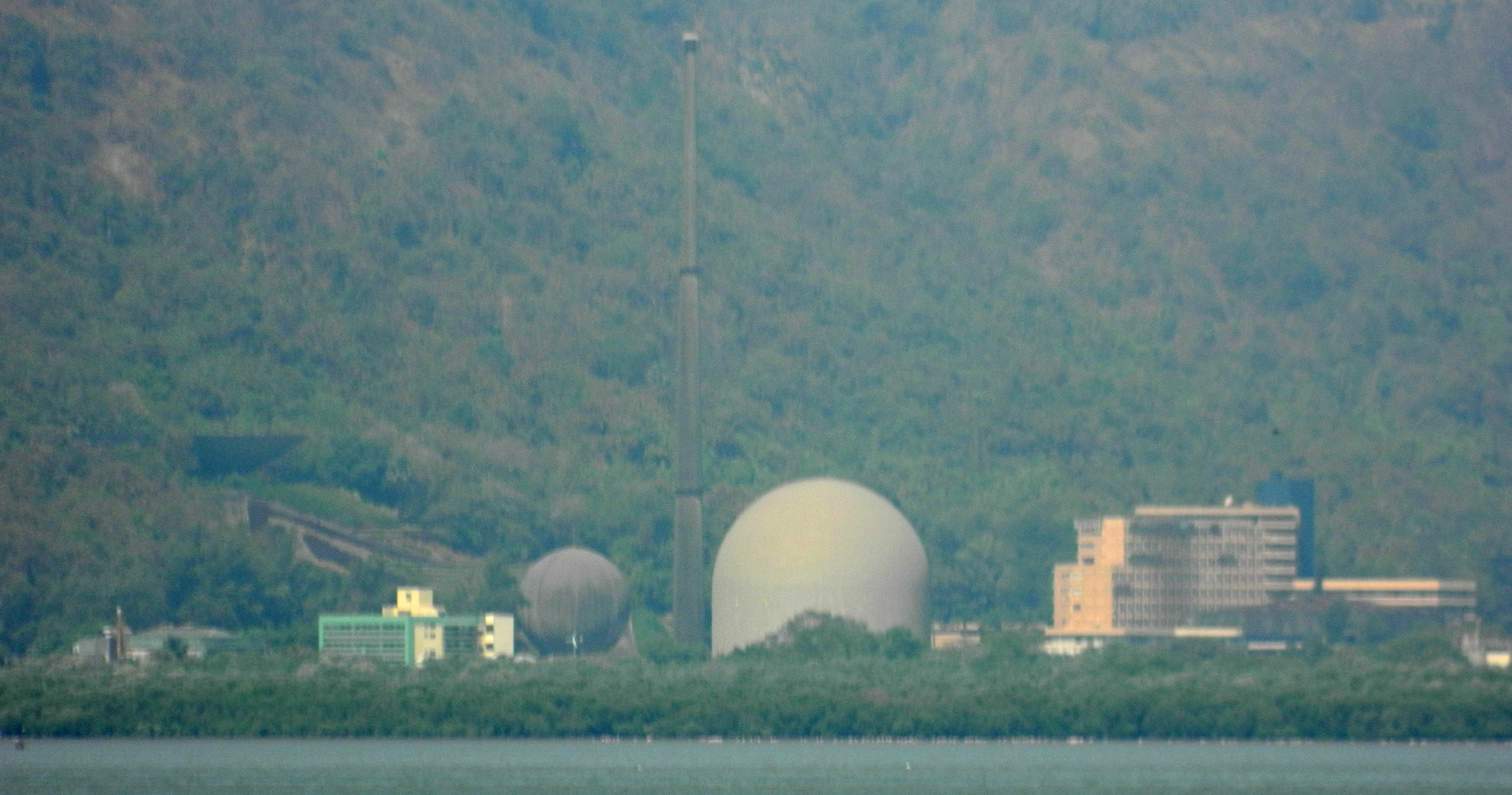
The Bhabha Atomic Research Centre (BARC) serves as the cornerstone of India's atomic energy program, operating under the Department of Atomic Energy which reports directly to the Prime Minister. Founded in January 1954 by physicist Homi Jehangir Bhabha, the institution began as the Atomic Energy Establishment, Trombay (AEET) before adopting its current name following Bhabha's death in 1966. The sprawling campus located in Trombay, a suburb of Mumbai, functions as the nerve center for both civilian power generation and strategic defense initiatives.
BARC designs and operates critical nuclear infrastructure including the historic Apsara reactor, commissioned in 1956 as India's first nuclear reactor, and the heavy-water Dhruva reactor. The organization maintains a diverse portfolio ranging from basic physics and chemistry research to practical applications in medical isotope production, waste management, and environmental engineering. Its workforce includes thousands of scientists and engineers who have driven the nation toward self-sufficiency in nuclear fuel cycles.
Recent strategic shifts highlight the center's expanding role in national security and regional energy independence. As of September 2026, BARC is advancing plans to deploy Small Modular Reactors to power the Andaman and Nicobar Islands, a move designed to secure energy supplies amid growing geopolitical tensions near the Malacca Strait. This initiative follows administrative and financial sanctions granted in August 2026 for a new isotope production reactor aimed at improving cancer treatment diagnostics.
Mission
The primary objective of BARC is to advance nuclear science and technology through multidisciplinary research and development. The organization focuses on achieving self-sufficiency in the nuclear fuel cycle while ensuring the safe operation of reactors for power generation. Beyond energy production, BARC develops technologies for medical isotopes, industrial applications, and environmental protection to support national growth and security.
History
The Atomic Energy Establishment, Trombay officially opened its doors in January 1954 with the goal of harnessing nuclear energy for peaceful purposes. Homi J. Bhabha envisioned a facility that would integrate basic scientific research with applied engineering to create an indigenous nuclear capability. The establishment of the Apsara reactor in August 1956 marked a significant milestone as it became the first nuclear reactor in Asia to go critical.
In 1966, the institution was renamed the Bhabha Atomic Research Centre in honor of its founder after his untimely death in a plane crash. The subsequent decades saw the commissioning of the CIRUS reactor in 1960 and the heavy-water Dhruva reactor in 1985, which significantly expanded India's capacity for plutonium production and research. The organization played a central role in the country's nuclear weapons program, culminating in the successful Pokhran-II tests in May 1998.
Modern history has seen BARC diversify into environmental remediation and small modular reactor technology. In August 2026, the Indian Army commissioned a sewage treatment plant in Sikkim utilizing BARC-developed technology, demonstrating the center's shift toward civil applications. Simultaneously, the organization secured approval for a new isotope production reactor to enhance medical capabilities across the nation.
Subdivisions
Reactor Engineering Division
Designs and operates India's nuclear reactors including Apsara and Dhruva.
Fuel Cycle Technology Division
Manages uranium processing and nuclear fuel fabrication.
Health Physics Division
Focuses on radiation safety and medical isotope production.
Materials Science Division
Develops advanced materials for nuclear applications.
Notable People
Homi Jehangir Bhabha
Founder · 1954-1966
Established the foundation of India's atomic energy program
Raja Ramanna
Scientist · 1960s-1970s
Led the team behind Pokhran-I nuclear test
Anil Kakodkar
Director · 1993-2001
Oversaw operations during Pokhran-II tests
Milestones
1954
Atomic Energy Establishment, Trombay founded
1956
Apsara reactor becomes operational
1966
Renamed Bhabha Atomic Research Centre
1985
Dhruva heavy-water reactor commissioned
1998
Participated in Pokhran-II nuclear tests
2026
Approved deployment of Small Modular Reactors for Andaman Islands
Departments
Sources
Organization Info
- Founded
- January 1954
- Headquarters
- Trombay, Mumbai
- Country
- India
- Parent
- Department of Atomic Energy
- Type
- Research
- Parent Organization
- Department of Atomic Energy
- Founder
- Homi Jehangir Bhabha
Official Website
www.barc.gov.in/
Join the community
fans discussing