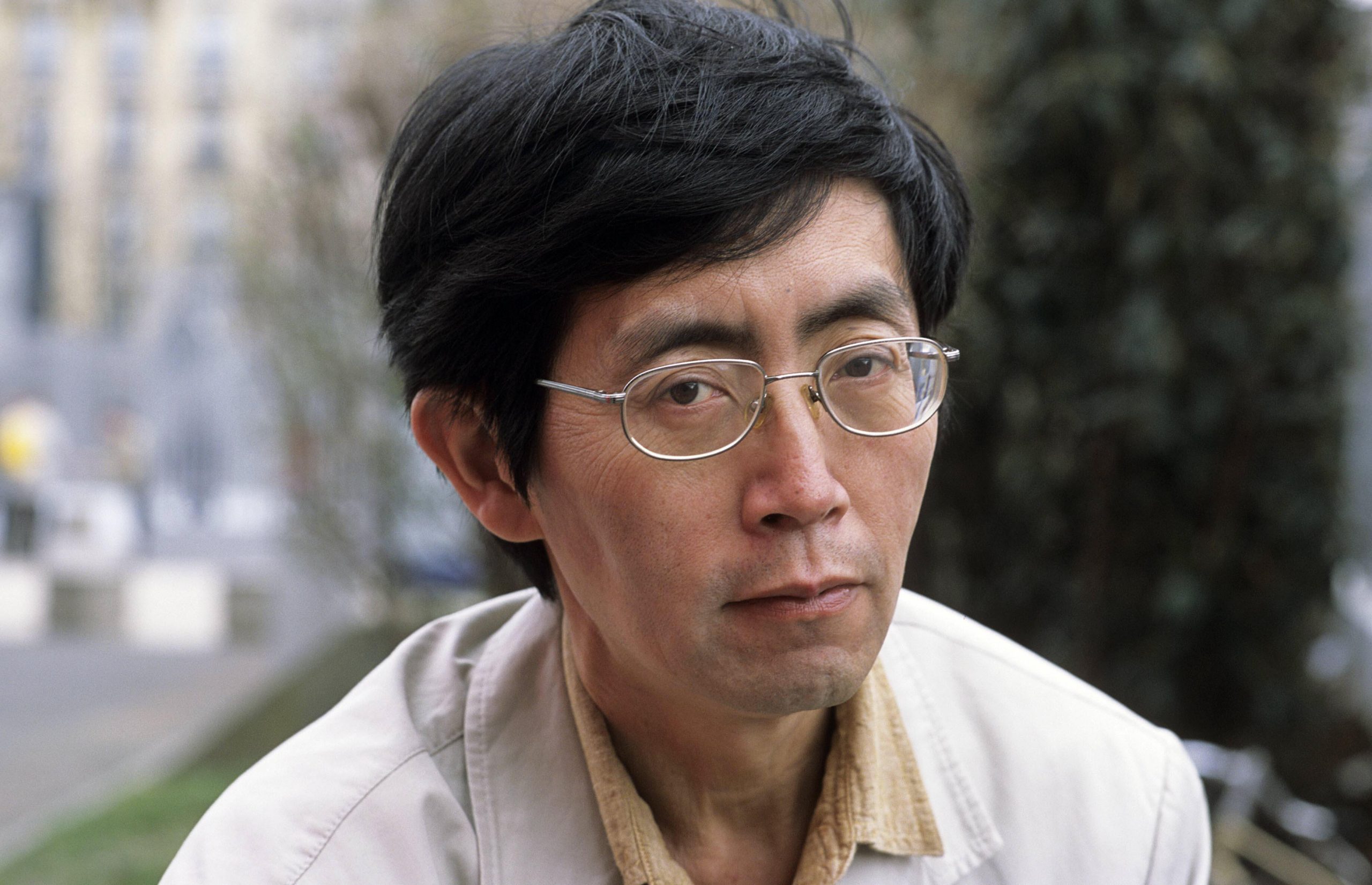
Bei Dao
 China
ChinaAlso known as: Zhao Zhenkai, Northern Island
Birthday
August 2, 1949
Birth Sign
Leo
Birthplace
Beijing, China
Age
77 years old
About
Bei Dao, born Zhao Zhenkai on August 2, 1949, in Beijing, is one of the most influential Chinese-language poets of his generation. His pen name, which translates to "Northern Island," became synonymous with a new wave of Chinese poetry that emerged in the late 1970s. A Chinese-American writer, he has also penned short fiction, essays, and a memoir, and is frequently mentioned as a Nobel Prize contender. His work, often labeled as "Misty Poetry" or "Obscure Poetry" in the West, broke from the rigid artistic conventions of the Mao era, embracing linguistic experimentation and a deep exploration of individuality.
Bei Dao's early life was marked by political turbulence. As a young man, he joined the Red Guards, but the Cultural Revolution left him disillusioned. In 1976, he participated in the Tiananmen Incident, a protest that became a turning point in his activism. He co-founded the literary journal Jintian (Today), which was soon banned by the authorities. His poetry and political stance inspired many during the 1989 Tiananmen Square protests, leading to his exile from China. For years, he lived and taught across the West, eventually settling in the United States, where he became a citizen in 2009. He has been allowed to visit mainland China since 2006, but he has only made brief trips, preferring to stay abroad.
In 2007, Bei Dao joined the Chinese University of Hong Kong as a professor, and he now resides in Hong Kong, serving as an Honorary Professor of Humanities. His major works include the poetry collections "The August Sleepwalker" and "Old Snow," as well as the memoir "Midnight's Gate." Across his career, he has published over a dozen volumes of poetry and prose, earning international acclaim. His writing, characterized by its complexity and paradox, has left a lasting mark on Chinese literature, offering a voice of resistance and reflection in a rapidly changing world.
Early Life & Background
Born into a Beijing family in the early years of the People's Republic, Zhao Zhenkai grew up amid the political storms that would define his generation. As a teenager during the Cultural Revolution (1966–1976), he joined the Red Guards, but the movement's violence and ideological extremism quickly soured him. The experience left a permanent scar, turning him into a skeptic of authority and a lifelong dissenter.
His formal education was disrupted by the turmoil. Like many urban youths, he was sent to work in manual labor, including construction, during those years. The harsh conditions and the suppression of individual thought fueled his desire to write. He began composing poetry that circulated in samizdat, passed hand to hand among friends and fellow intellectuals.
A pivotal moment came in 1976 with the Tiananmen Incident, also known as the April Fifth Movement. Masses gathered in Beijing's Tiananmen Square to mourn Premier Zhou Enlai, implicitly criticizing the Gang of Four. Bei Dao took part, and the violent suppression of that protest hardened his resolve. Two years later, in 1978, he co-founded the underground literary journal Jintian (Today) with fellow poet Mang Ke. The journal became the cradle of the Misty Poetry movement, publishing work that defied the state's socialist realist dictates. It was soon banned, but its impact rippled through China's literary underground, establishing Bei Dao as a leading voice of a new, defiant generation.
Career Growth
Bei Dao's breakthrough came with the rise of Misty Poetry in the late 1970s and early 1980s. His poems, marked by ambiguity, paradox, and linguistic experimentation, were a radical departure from the propagandistic verse of the Mao era. His first major collection, "The August Sleepwalker," appeared in 1986, cementing his international reputation. During his exile, which began after the 1989 Tiananmen Square crackdown, he published "Old Snow" (1990), "Forms of Distance" (1993), and "Landscape Over Zero" (1997).
In 2000, his memoir "Midnight's Gate" came out in English through New Directions, offering a poignant account of exile and memory. The 2009 retrospective "The Rose of Time: New and Selected Poems" gathered his essential work. His most recent major publication, "Sidetracks," a book-length poem, appeared in spring 2024, with excerpts in The New York Review of Books and Tricycle. A 2025 Los Angeles Review of Books essay hailed it as "an inexhaustible locomotive" of dissent and repose.
Beyond writing, Bei Dao built a distinguished academic career. He taught at various universities in the United States and Europe during his exile. In 2007, he joined the Chinese University of Hong Kong as a professor, later becoming Honorary Professor of Humanities. His work has been translated into more than thirty languages, and he remains a towering figure in contemporary Chinese literature.
Career Timeline
Public Image & Style
Bei Dao's public persona is that of a dissident poet who risked everything to speak truth to power. The media consistently casts him as a major international literary figure, with critics like Michael Hofmann placing him "up there with Joseph Brodsky, Hans Magnus Enzensberger." His poetry, characterized by ambiguity and paradox, broke from socialist realist conventions, embracing individuality and interiority.
His later work, particularly "Sidetracks," conveys the dislocation of exile through hazy, dreamlike cantos. The China Project's 2020 essay described his "enduring cynicism," a quality that resonates with readers who value skepticism of authority. He has no official fandom name or organized fan culture, but his work is widely studied in universities and cherished by poetry enthusiasts. His social media presence is virtually nonexistent, adding to his mystique as a reclusive literary sage.
Fame & Fandom
Bei Dao, the Chinese poet and writer, does not currently hold a placement in iFANN's published rankings. The Global Fame Engine has evaluated his profile, but as of August 2026, he remains unranked, meaning he does not appear in the Global Top 1,000 or any Top-100 scope list. This is not a reflection of his literary stature, which is considerable, but rather a measure of contemporary global fame signals, which for a poet of his reclusive nature may be less pronounced than for figures in entertainment or sports.
His fanbase, while devoted, is not a formal fandom in the pop-culture sense. There is no documented fandom name, no organized fan clubs, streaming campaigns, or birthday billboards. Instead, his readers are a global community of poetry enthusiasts, critics, and fellow writers who engage with his work through literary festivals, academic conferences, and translations. His poem 'The Answer' became an anthem for a generation, and his role as a dissident poet has earned him a place in literary history, but his following remains niche, centered on the written word rather than celebrity culture.
Interesting Facts and Legends
Bei Dao literally means "Northern Island" in Chinese, a pen name he chose for himself. He also picked the pen name "Mang Ke" for his close friend and co-founder of Jintian, based on the nickname "Monkey." In a 2015 interview, he recalled celebrating their twentieth anniversary of collaboration. Despite his fame, Bei Dao has said, "As a poet, I am always lost," a line quoted in a 2024 Tricycle feature. His poetry has been noted for its hazy, dreamlike quality, reflecting the dislocation of exile. He has been repeatedly nominated for the Nobel Prize in Literature, though he has not won. His work has appeared in Buddhist publications like Tricycle, and critics have drawn connections to Zen aesthetics. He became a U.S. citizen in 2009, a significant personal milestone after two decades of statelessness.
One of the most retold stories about Bei Dao involves his poem "The Answer," written in 1976, which was posted anonymously on Democracy Wall in Beijing and became a rallying cry for a generation. His exile after 1989, when he was abroad and unable to return to China, is a central part of his legend, casting him as a wandering dissident. More recently, a stroke in 2012 left him with aphasia, but he gradually recovered through painting and writing, a narrative of resilience that fans and critics alike find compelling.
Notable Quotes
“Perhaps the final hour has come.”
“As a poet, I am always lost.”
Family & Personal Life
Bei Dao is married to Gan Qi, a publisher and intellectual in her own right. The couple married around 1995, based on a 2015 interview in which he mentioned celebrating their twentieth anniversary. They have kept their family life intensely private, and little is known about their children or household.
His family background was shaped by the political upheavals of mid-century China. Born into a society on the brink of transformation, he witnessed the Cultural Revolution's devastation firsthand. His parents and siblings are not publicly documented, but his poetry often reflects a deep sense of loss and longing for the Beijing of his youth. In a 2017 Poetry Foundation essay, "Bei Dao's Beijing," he speaks of losing his native city after decades of exile.
Notable Connections
Relationships & Dating History
Public information about Bei Dao's romantic relationships is extremely limited, consistent with his private nature. The only documented relationship is his marriage to Gan Qi, a publisher and intellectual. They married around 1995, as indicated by a 2015 interview in which he mentioned celebrating their twentieth anniversary.
Before his marriage, no credible sources document any earlier romantic partners. Given the political circumstances of his life, including the Cultural Revolution and his underground literary activities, such details have not been publicly reported. As of 2026, Bei Dao remains married to Gan Qi, with no evidence of separation or divorce.
- MarriedGan Qi1995 - presentCurrentMarried around 1995; she is a publisher and intellectual.
Salary, Net Worth In 2026
$5 Million
iFANN Editorial Team estimate
iFANN currently estimates Bei Dao's net worth at $5 million. This figure is based on his long and distinguished career as a poet, writer, and academic. As Honorary Professor of Humanities at the Chinese University of Hong Kong, he earns a steady salary. His poetry collections, including "The August Sleepwalker" and "Old Snow," continue to sell worldwide, and his memoir "Midnight's Gate" has been a steady seller since 2000. His work has been translated into over thirty languages, generating international royalties. He has also received speaking fees for appearances at literary festivals and universities. While his financial details are not publicly documented, his prolific output and academic position support this estimate.
Awards Won (2)
Bei Dao has received several international literary honors, including the International Poetry Argana Award and the Norwegian Poetry Prize. He has been repeatedly nominated for the Nobel Prize in Literature, though he has not won. His work has been translated into more than thirty languages, reflecting his global recognition.
Poetry
Lifetime achievement
Poetry
Lifetime achievement
Known For
The August Sleepwalker
1986 · Author
Old Snow
1990 · Author
Midnight's Gate
2000 · Author
Sidetracks
2024 · Author
Keywords
Sources
Quick Facts
- Profession
- Poet, Writer
- Born
- August 2, 1949
- Birthplace
- Beijing, China
- Gender
- Male
- Spouse
- Gan Qi
- Birth Sign
- Leo
- Nationality
- Chinese-American
Personal Details
- Full Name
- Zhao Zhenkai
- Spouse
- Gan Qi
Frequently Asked Questions
What is Bei Dao's real name?
Why was Bei Dao exiled from China?
What is Misty Poetry?
Is Bei Dao married?
What is Bei Dao's most famous poem?
Similar People
Join the community
fans discussing