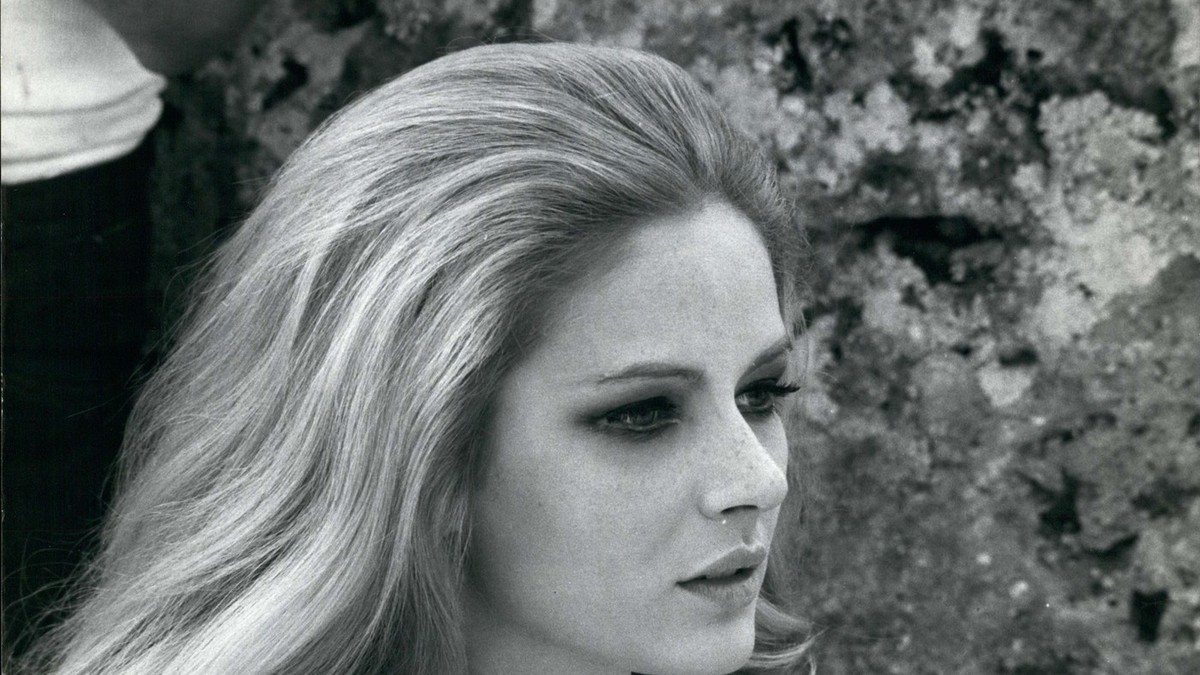
Beba Lončar
 Serbia
film actor•television actor•actor
Also known as: Beba Loncar, Desanka Lončar, Beba Longar
Birthday
April 28, 1943
Birth Sign
Sagittarius
Birthplace
Belgrade, Serbia (then Kingdom of Yugoslavia)
Age
83 years old
About
Desanka "Beba" Lončar is a retired Serbian film and television actress who became one of the most recognizable faces of Yugoslav cinema in the 1960s before building a substantial career in Italy. Born in Belgrade on April 28, 1943, she appeared in over fifty films and numerous TV productions during a two-decade run that ended with her retirement around 1982.
Lončar's filmography spans a remarkable range of genres, from the gritty realism of Yugoslav dramas to Italian horror, comedy, and spaghetti westerns. She starred alongside international stars like Sidney Poitier, Marcello Mastroianni, and Bourvil, and her work took her from Belgrade to Rome and even London. Today she is remembered as a symbol of the golden age of Yugoslav cinema, with a legacy that continues to be celebrated by film historians and fans of European genre films.
Early Life & Background
Desanka Lončar was born in Belgrade in 1943, during the German occupation of Yugoslavia in World War II. Her early years were shaped by the post-war reconstruction of the country, and she grew up in a cultural environment that placed a strong emphasis on the arts as a means of national identity.
Details about her formal education and family background remain scarce, but her rise in the late 1950s and early 1960s suggests she was discovered through the state-supported film system that actively cultivated new talent. She made her screen debut in the early 1960s, quickly earning roles in domestic productions that showcased her natural charisma and versatility.
Her first significant part came in the 1962 drama Drzala sam se daleko, a film that established her as a rising star in Yugoslav cinema. She followed this with the romantic comedy Ljubav i moda in 1964, a lighthearted film that became a favorite among audiences and cemented her status as a leading lady of the era.
Career Growth
Lončar's breakthrough on the international stage came in 1964 with The Long Ships, a big-budget co-production starring Sidney Poitier. Her performance in this Viking epic opened doors to the Italian film industry, where she moved in the mid-1960s to take advantage of the booming European co-production market.
In Italy, she worked with some of the most celebrated directors and actors of the time. She appeared alongside Marcello Mastroianni in Casanova '70 (1965) and with Bourvil in The Sucker (1965), both of which were major commercial successes. Her versatility allowed her to move effortlessly between genres, from the thriller Days of Violence (1967) to the spy adventure Some Girls Do (1969), which brought her to the UK for promotional appearances.
The 1970s saw her continue to work steadily in Italian productions, including the horror film The Young, the Evil and the Deadly (1968) and the comedy Don Camillo e i giovani d'oggi (1972). Her final credited role came around 1982, after which she retired from acting and largely withdrew from public life.
Career Timeline
Public Image & Style
Beba Lončar was the archetype of the classic European beauty of the 1960s, with a look that fit perfectly into the stylish, sophisticated aesthetic of the era's international co-productions. Her dark hair and expressive features made her a favorite of photographers, and she graced the pages of film magazines across Europe.
Her public image was one of versatility and professionalism. She could play a dramatic heroine in a Yugoslav war film, a glamorous love interest in an Italian comedy, or a terrified victim in a horror movie, all with equal conviction. This adaptability made her a valuable asset to directors working in multiple genres.
Fans today remember her as a symbol of the golden age of European cinema, and her work is still discussed in film forums and retrospectives dedicated to the Yugoslav and Italian film industries.
Fame & Fandom (iFAMOUS Rankings)
Beba Lončar holds a distinct place in global recognition as the 50th most famous person from Serbia, a standing that has remained steady through the latest assessment cycle. This placement within the iFANN Global Fame Rankings reflects her enduring legacy as a bridge between Yugoslav cinema and the international film industry of the 1960s and 70s. Her visibility persists not through modern social media algorithms but through the archival footprint of her extensive filmography, which continues to be discovered by new audiences across streaming platforms worldwide. The ranking captures a specific type of historical fame where an artist's work transcends their era to become a reference point for cultural history.
Despite her significant contributions to cinema, Beba Lončar does not have a formally named fanbase or organized community dedicated to her memory. Unlike contemporary stars who cultivate active digital followings with specific nicknames and coordinated campaigns, Lončar's admirers are scattered across general film history enthusiasts and collectors of European cinema. There are no documented rituals, viral moments, or legendary anecdotes involving crowd disruptions or fan-funded projects associated with her name. The absence of a structured fandom reflects the nature of her career, which concluded decades ago, leaving behind a body of work that is respected and studied rather than actively championed by a modern movement. Her audience remains defined by those who seek out classic films rather than those participating in current pop culture phenomena.
Interesting Facts and Legends
One of the most striking facts about Beba Lončar is that she appeared in over 50 films in just two decades, a remarkable output by any standard. She was also one of the few Yugoslav actresses of her generation to successfully transition to the Italian film industry, a feat that required adapting to a completely different language and acting style. Lončar's role in Some Girls Do (1969) was notable not just for the film itself but for the promotional tour she undertook in the UK, a rarity for a Yugoslav actress at the time. Her performance in the film was praised by critics, and she was photographed extensively during her visit to London. Despite her fame, Lončar was known for keeping her private life out of the spotlight. She rarely gave interviews and never sought tabloid attention, a choice that has contributed to the air of mystery surrounding her retirement.
Family & Personal Life
Public records about Beba Lončar's family are virtually non-existent. She has never publicly discussed her parents or siblings, and no credible sources have ever named them. Similarly, there is no verified information about whether she ever married or had children.
It is known that she was born Desanka Lončar in Belgrade, and her family name suggests Serbian roots. After her retirement in 1982, she chose to live a quiet life, reportedly in Serbia, away from the entertainment industry. This privacy has made it difficult for researchers to piece together her personal history, and she has never been linked to any romantic partner in the press.
Notable Connections
Beba Lončar's career placed her alongside some of the most prominent actors and directors of her time. She shared the screen with Sidney Poitier in The Long Ships, Marcello Mastroianni in Casanova '70, and Bourvil in The Sucker. Her work in Italian genre films also brought her into contact with directors like Mario Bava and Antonio Margheriti, though specific collaborations are not always well-documented.
Relationships & Dating History
Beba Lončar has kept her romantic life almost entirely private, and no public relationships have been documented in credible sources. There are no records of marriages, engagements, or long-term partnerships, and she has never been linked to any of her co-stars in the press.
This level of privacy was unusual for a leading actress of her era, but Lončar consistently avoided the tabloid spotlight. As of 2026, her relationship status remains unknown, and it is likely that she prefers it that way.
Salary, Net Worth In 2026
$1 Million
iFANN Editorial Team estimate
As a retired actress who left the industry in 1982, Beba Lončar's financial status is not publicly documented in traditional terms. Celebrity net worth databases rarely cover actors of her generation unless they have ongoing revenue streams, and Lončar has no known business ventures, endorsements, or post-retirement projects. During her active years, she was a working actress in the Yugoslav and Italian film industries, which provided a stable income but not the enormous wealth of modern stars. It is likely that she earned a comfortable living from her many roles, but any specific figures from that era have not been made public. Per iFANN's editorial analysis, her net worth is estimated at around $1 Million as of 2026, a figure based on typical earnings for a European actress of her era and the lack of any documented assets or investments.
Awards & Accolades
View 1 records, honours and achievementsKnown For
Some Girls Do
1969 · Actress
Casanova '70
1965 · Actress
The Long Ships
1964 · Actress
Days of Violence
1967 · Actress
Keywords
Sources
Quick Facts
- Profession
- film actor, television actor, actor
- Born
- April 28, 1943
- Birthplace
- Belgrade, Serbia
- Gender
- Female
- Birth Sign
- Sagittarius
- Years Active
- 1960–1982
- Number of Films
- 52
Personal Details
- Full Name
- Desanka Lončar
Filmography
52
Total
52
Film
0
TV
Frequently Asked Questions
How old is Beba Lončar?
What movies is Beba Lončar famous for?
Is Beba Lončar still alive?
Where was Beba Lončar born?
Does Beba Lončar have children?
Social Media
Similar People
Join the community
fans discussing