 United Kingdom
“This is a movie that doesn't need to shout to be heard; its quiet power speaks volumes about love, family, and the courage to be yourself.”
Roger Ebert
Chicago Sun-Times
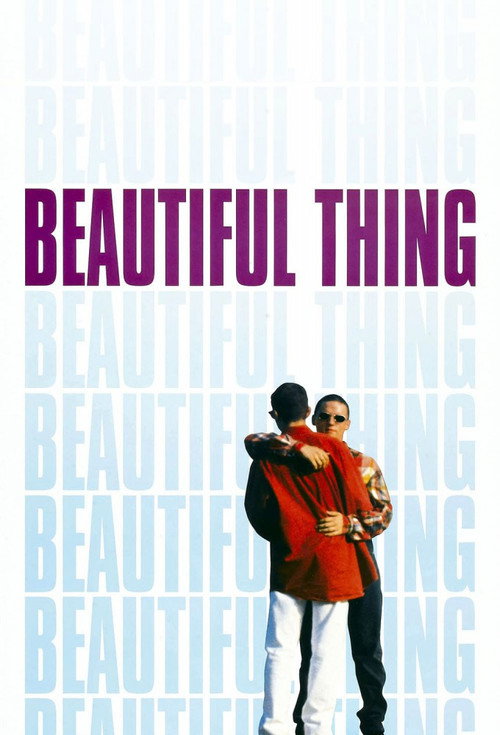
Jonathan Harvey's 1996 adaptation of his own play brings the Thamesmead Estate to life with a warmth that feels both specific and universal. Set during a sweltering London summer, the film follows three teenagers navigating the awkward transition into adulthood while dealing with financial strain, family tension, and the discovery of their identities. The story avoids grand gestures in favor of quiet moments that define young lives.
Hettie Macdonald directs with a light touch, allowing the natural chemistry between Glen Berry and Scott Neal to drive the narrative. The production captures the gritty reality of working-class London without losing its sense of hope or humor. It remains a significant entry in British cinema for its honest portrayal of LGBTQ+ youth and the complexities of family acceptance.
Stream
Availability and pricing can change. Confirm on the provider's site before purchasing.
The heat wave of 1996 presses down on the concrete housing estate where Jamie Gangel spends most of his time trying to disappear. He is a shy teenager who feels out of place at school and increasingly distant from his mother, Sandra, who struggles to keep their household together after her husband left years ago. Jamie finds solace only in his secret crushes and the occasional music session, but he keeps his true self hidden behind a wall of silence. His stepfather Tony tries to connect but often misunderstands the boy's sensitivity, creating an atmosphere of unspoken tension within their small flat.
Change arrives when Steven Pearce moves into the flat directly across the courtyard. Steven is everything Jamie is not: loud, confident, and unapologetically flamboyant. He dances in the street, wears bright clothes, and speaks his mind without fear. Despite their differences, the two boys begin to notice each other through the windows and eventually cross the divide between their homes. Their initial interactions are clumsy and filled with nervous glances, but they quickly find common ground in their shared feelings of isolation.
As the summer days stretch on, the bond between Jamie and Steven deepens into something more profound. They spend hours talking about their dreams, sharing music, and exploring the boundaries of their world. Steven encourages Jamie to express himself, introducing him to a confidence he never knew he possessed. In return, Jamie offers Steven a sense of stability and understanding that grounds his exuberant personality. Their relationship grows from friendship into a tender romance, hidden beneath the surface of their daily routines.
Life on the estate adds layers of complexity to their developing love. Leah, Steven's sister, navigates her own romantic entanglements while balancing her role as a protective sibling. Ronnie, Steven's father, loves his children deeply but often feels overwhelmed by the chaos of his large household. These family dynamics create a rich tapestry of relationships that highlight the challenges of growing up in a close-knit community where everyone knows everyone else's business.
The pressure of the outside world begins to weigh on the couple as they face the possibility of rejection. Jamie fears losing his mother's approval if she discovers his feelings, while Steven worries about how their relationship will be perceived by the rest of the neighborhood. The film builds tension through subtle shifts in body language and meaningful silences, capturing the raw emotion of first love and the courage it takes to be vulnerable. As the summer comes to a close, the boys must decide how far they are willing to go to protect what they have found.
The narrative culminates in a series of emotional revelations that test the strength of their connection and redefine their understanding of beauty. Through its authentic portrayal of teenage life, the story celebrates love in all its forms and explores the power of hope in the face of adversity. The film leaves the audience with a lasting impression of resilience and the enduring nature of human connection.
Beautiful Thing (1996) | Film4 Trailer
Critical Consensus
A deeply moving and authentic portrayal of young love, Beautiful Thing balances humor and heartbreak with remarkable sensitivity. Its honest depiction of LGBTQ+ youth resonates universally.
“This is a movie that doesn't need to shout to be heard; its quiet power speaks volumes about love, family, and the courage to be yourself.”
Roger Ebert
Chicago Sun-Times
“Hettie Macdonald directs with a light touch, allowing the actors to shine in this intimate portrait of two boys finding each other in a world that often rejects them.”
Peter Bradshaw
The Guardian
“With its authentic dialogue and powerful performances, Beautiful Thing offers a fresh perspective on love and acceptance that feels both timeless and urgent.”
Todd McCarthy
Variety
Glen Berry
Jamie Gangel
Scott Neal
Steven Pearce
Linda Henry
Sandra Gangel
Tameka Empson
Leah
Ben Daniels
Tony
Meera Syal
Miss Chauhan
Garry Cooper
Ronnie Pearce
Jeillo Edwards
Rose
Director
Hettie Macdonald
Writer
Jonathan Harvey
Composer
John Altman
Cinematographer
Chris Seager
Producers
Tony Garnett, Bill Shapter
BAFTA Film Awards (1997)
Best Supporting Actress: Won
London Critics Circle Film Awards (1997)
British Film of the Year: Won
London Critics Circle Film Awards (1997)
Breakthrough Performance: Won
British Independent Film Awards (1996)
Best Debut Feature: Won
Edinburgh International Film Festival (1996)
Best British Feature Film: Won
Join the community
fans discussing