 United States
“It is a movie of terrible beauty and terrible power, a film that does not flinch from the horrors of war and the corruption of innocence.”
A.O. Scott
The New York Times
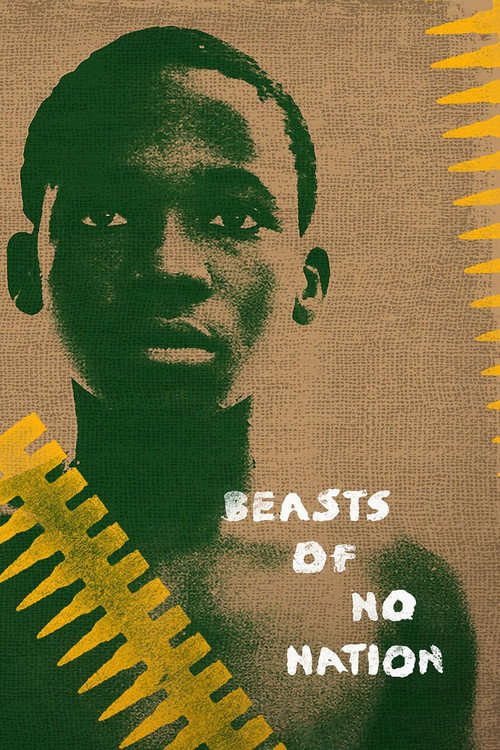
On September 11, 2015, the Venice Film Festival handed its top prize to a film that had never been shown in a theater. Beasts of No Nation became the first Netflix original movie to win the Golden Lion, marking a shift in how streaming platforms approached prestige cinema. The project emerged from a collaboration between Participant Media and Red Crown Productions, with Idris Elba stepping in as both producer and star to help bring the story to life.
Cary Joji Fukunaga took on an unusually heavy load for a director by writing the screenplay, shooting the camera work, and editing the final cut himself. He chose to film in Ghana using handheld cameras to create a gritty, documentary-style aesthetic that placed viewers directly into the chaos of a civil war. The result was a harrowing two-hour-and-seventeen-minute experience that refused to offer easy answers or escape.
Availability and pricing can change. Confirm on the provider's site before purchasing.
The story begins in a village where Agu lives a relatively normal life with his father, mother, and younger brother. Government troops arrive suddenly and attack the settlement, killing Agu's father and scattering the family. During the confusion, Agu gets separated from his mother and brother while fleeing through the bush. He wanders alone for days until he stumbles upon a group of rebels moving through the jungle.
Agu is taken in by a charismatic leader known only as the Commandant. The man runs a ragtag army made up mostly of children who have been forced into combat roles. At first, the Commandant treats Agu like a mascot, giving him a rifle that is far too heavy for his small frame. The boy watches as the adults around him drink alcohol, take drugs, and prepare for battle. The Commandant speaks passionately about nationalism and revenge, convincing the children that they are fighting for a cause greater than themselves.
Over time, Agu undergoes a painful transformation. He learns to kill without hesitation and suppresses any empathy he once felt for others. The film follows the unit as they move through dense forests and abandoned towns, engaging in skirmishes with government forces and rival factions. The Commandant forms a complex bond with Agu, treating him like a son while simultaneously pushing him to commit atrocities against civilians and former comrades. This relationship becomes the emotional core of the story as the line between victim and perpetrator blurs.
As the conflict intensifies, the group faces increasing pressure from government troops and internal decay. Food becomes scarce, morale drops, and violence escalates. The Commandant demands absolute loyalty, executing soldiers who show weakness or fear. Agu finds himself trapped in a nightmare where survival depends on becoming as cruel as those who raised him. The narrative builds toward a breaking point where the boy must confront the full extent of what he has become and the cost of the war that has consumed his world.
The rebels eventually suffer a devastating defeat during a major offensive. In the chaos of retreat, the Commandant orders the remaining children to fight to the death rather than surrender. Agu is forced to shoot a fellow child soldier who tries to flee, cementing his status as a killer. The Commandant realizes the situation is hopeless and decides to surrender to save the surviving children, shocking Agu who expected him to fight until the end. The rebel leader is taken into custody, and Agu is among many child soldiers rounded up and sent to a rehabilitation center.
In the aftermath, Agu sits in a room with other traumatized children. A social worker approaches him, trying to engage him in conversation about his life before the war. Initially silent and catatonic, Agu eventually begins to speak. He recounts the details of the Commandant and the battles he fought, but reveals that he has lost the ability to feel emotion. The film ends with Agu staring blankly at a wall, having successfully repressed all memories of pain and violence to survive psychologically. The beast inside him has been suppressed, but the human soul remains fractured.
Official Trailer
Critical Consensus
A brutal tale of child soldiers in Africa, Beasts of No Nation delivers a raw and unflinching look at the trauma of war. Idris Elba gives a career-best performance as the Commandant, while Abraham Attah provides a heartbreaking debut. Director Cary Joji Fukunaga crafts a visceral experience that refuses to shy away from the brutality of conflict while maintaining a profound sense of humanity.
“It is a movie of terrible beauty and terrible power, a film that does not flinch from the horrors of war and the corruption of innocence.”
A.O. Scott
The New York Times
“Idris Elba gives a career-best performance as the Commandant, a villain who is both terrifying and strangely magnetic, while Abraham Attah delivers a performance that will haunt you long after the credits roll.”
Peter Travers
Rolling Stone
“Fukunaga's direction is masterful, creating an immersive, almost claustrophobic atmosphere that places the viewer directly in the heart of the conflict.”
Todd McCarthy
The Hollywood Reporter
Abraham Attah
Agu
Idris Elba
Commandant
Emmanuel Nii Adom Quaye
Strika
Opeyemi Fagbohungbe
Sergeant Gaz
Emmanuel Affadzi
Dike
Richard Pepple
Father Friday
Ama K. Abebrese
Mother
Kobina Amissah-Sam
Father
Director
Cary Joji Fukunaga
Writers
Cary Joji Fukunaga, Uzodinma Iweala
Composer
Dan Romer
Cinematographer
Cary Joji Fukunaga
Producers
Riva Marker, Daniela Taplin Lundberg, Idris Elba, Daniel Crown, Cary Joji Fukunaga
Venice Film Festival (2015)
Golden Lion: Won
Golden Globe Awards (2016)
Best Actor - Motion Picture Drama: Nominated
BAFTA Awards (2016)
Best Supporting Actor: Nominated
Screen Actors Guild Awards (2016)
Outstanding Performance by a Male Actor in a Leading Role: Nominated
Peabody Award (2016)
Entertainment Excellence: Won
Join the community
fans discussing