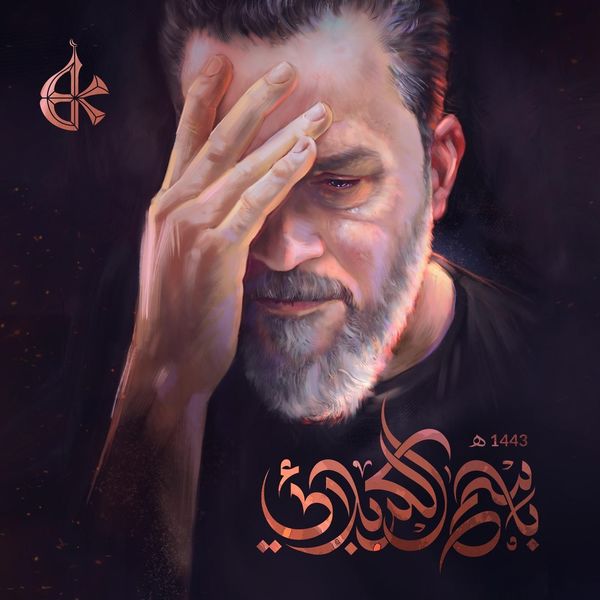
Basim al-Karbalaei
 Iraq
IraqAlso known as: Basim Karbalaei, Bassim Al-Karbalaei, Mulla Basim, Haj Basim al-Karbalaei
Birthday
November 11, 1966
Birth Sign
Scorpio
Birthplace
Karbala, Iraq
Age
59 years old
About
Basim al-Karbalaei is an Iraqi Shia eulogy reciter and composer, born on November 11, 1966, in the holy city of Karbala. He is widely regarded as one of the most prominent voices in the tradition of latmiyyat, the mourning elegies that commemorate the martyrdom of Imam Husayn and his companions at the Battle of Karbala. His powerful, emotionally charged recitations have earned him a devoted following across the Arab world and beyond.
Known for his distinctive vocal style, al-Karbalaei has spent decades performing elegies that blend religious devotion with artistic expression. He has performed in countries including Bahrain, Denmark, Germany, and Saudi Arabia, and his work is available on major streaming platforms like Spotify and Apple Music. In 2019, he was honored with the title Sultan al-Minbar al-Hussaini, the Sultan of the Husayni Pulpit, by the Hussaini Reciters Association in Kadhimiya.
Early Life & Background
Basim al-Karbalaei grew up in Karbala, one of Shia Islam's holiest cities, surrounded by the shrines of Imam Husayn and Abbas ibn Ali. His childhood was steeped in the religious traditions of the city, where the sounds of mourning elegies and religious poems were part of daily life. From a young age, his voice stood out, and he was drawn to the art of latmiyyat.
In 1980, when he was just 13 years old, his family fled Iraq amid the Iran-Iraq War and the Ba'athist regime's crackdown on religious expression under Saddam Hussein. This displacement marked a turning point in his life. Away from his homeland, he continued to nurture his talent, performing recitations that kept the memory of Imam Husayn alive for the Shia diaspora. His early years in exile shaped his mission as a reciter, carrying the tradition of mourning the Ahl al-Bayt to new audiences.
Details about his formal schooling are scarce, but his real education came from the rich oral tradition of Karbala. He absorbed the poems and melodies passed down through generations, developing a style that would later captivate millions.
Career Growth
Basim al-Karbalaei's career took off in the 1980s as he began performing at religious gatherings across the Middle East and Europe. His reputation grew steadily, and by the 2000s he was a household name among Shia communities worldwide. His recitations, which he often composes himself, are known for their emotional depth and musical innovation.
In 2019, the Hussaini Reciters Association in Kadhimiya awarded him the title Sultan al-Minbar al-Hussaini, a rare honor that placed him at the pinnacle of his field. He received a golden crown as part of the tribute, which he later donated to the Abbas shrine museum, a gesture that endeared him further to his followers.
More recently, in January 2025, al-Karbalaei found himself at the center of controversy. He published a poem that described some Companions of the Prophet Muhammad as a 'gang,' leading to accusations of inciting sectarian strife in Iraq. The incident sparked heated debate and put him in the media spotlight, though it has not diminished his standing among his core audience.
Career Timeline
Public Image & Style
Basim al-Karbalaei is known for his powerful, emotionally charged voice, which has been described as one of the most compelling instruments in the tradition of mourning the Ahl al-Bayt. His performances are characterized by a deep sense of devotion, and he is largely seen as apolitical in his elegies, focusing on the spiritual message of Imam Husayn's sacrifice.
Media portrayals often highlight his distinctive vocal style and his ability to move audiences to tears. However, the 2025 controversy over his poem about the Prophet's Companions added a contentious dimension to his image, with some accusing him of stirring sectarian tensions.
His fandom spans multiple countries and languages, with followers who view his recitations as a spiritual alternative to music, which is forbidden in some interpretations of Islam. He maintains an active presence on social media, including Instagram, X, and YouTube, where he shares his latest works.
Fame & Fandom (iFAMOUS Rankings)
Basim al-Karbalaei commands a vast, global following that transcends typical celebrity metrics. His audience does not organize under pop-culture monikers but gathers instead through the shared rhythms of Shia religious observance, filling Husayniyat from Bahrain to Germany and streaming his recitations across digital platforms. With over 3.2 million followers and tracks like Bara'at al-Ashq accumulating 138 million views, his influence is measured in spiritual devotion rather than commercial chart positions. The community engages with him through ritualistic listening during Muharram and by defending his legacy against political controversies, such as the 2022 accusations regarding sectarian strife or the viral death hoax that sent waves of panic through his fanbase before being debunked. These moments underscore a deep emotional bond where fans treat his voice as essential to their faith. While he maintains a steady presence on Spotify with nearly 70,000 monthly listeners and releases new material regularly, his fame remains rooted in the sacred tradition of latmiyyat rather than mainstream entertainment cycles. iFANN has evaluated Basim al-Karbalaei extensively, yet the Global Fame Engine currently finds no placement for him in the published rankings. He does not hold a position in the Global Top 1,000 nor any scope-specific top list. This absence of a numeric rank reflects the unique nature of his career, which operates outside the standard commercial frameworks used to generate global fame scores.
Interesting Facts and Legends
Basim al-Karbalaei's full name includes the honorific 'Haj' and the title 'Mulla,' reflecting his deep religious standing. His recitations extend beyond Arabic to include Persian, Urdu, and English, making his work accessible to a global Shia audience. He has performed in Bahrain, Denmark, Germany, and Saudi Arabia, traveling extensively to serve religious communities. His Wikipedia page in Arabic receives more views than the English one, with 2,706 views in 30 days compared to 899. His music is available on Spotify and Apple Music, with tracks like Ha Ya Mehdi and Tezorony among his popular works. A defining moment in recent lore occurred in September 2022 when he faced accusations of inciting sectarian strife in Iraq, sparking intense debate within the community. That same month, a viral rumor claiming his sudden death circulated widely online, causing genuine distress among fans until the false news was clarified. These events highlight how deeply intertwined his public life is with the collective consciousness of his followers, where rumors spread as quickly as reverence.
Family & Personal Life
Public details about Basim al-Karbalaei's family life are extremely limited. He was born in Karbala, Iraq, to a devout Shia family, but the names and occupations of his parents are not documented. He has not shared information about siblings, a spouse, or children in any accessible source.
His family's decision to flee Iraq in 1980 had a profound impact on his life, but he rarely speaks about his personal circumstances. His focus has always been on his religious calling, and he keeps his private life out of the public eye.
Notable Connections
Basim al-Karbalaei is associated with the Hussaini recitation tradition, a genre dedicated to mourning the martyrdom of Imam Husayn. He works within a network of religious scholars and reciters, though specific collaborators are not publicly documented. His music is distributed on platforms like Spotify and Apple Music, and he has a dedicated following on social media.
Relationships & Dating History
Salary, Net Worth In 2026
N/A
iFANN Editorial Team estimate
As of 2026, there is no credible public estimate of Basim al-Karbalaei's net worth. Unlike mainstream celebrities, religious eulogy reciters often do not have their finances tracked by media outlets. iFANN's editorial research traces his income to live performances across the Arab world and Europe, digital streaming revenue from platforms like Spotify and Apple Music, and direct donations from a devoted audience. His work includes popular tracks such as Ha Ya Mehdi and Tezorony, which generate consistent engagement. He has demonstrated generosity through acts like donating his golden crown to the Abbas shrine museum. Given the lack of data, it is not possible to provide a detailed breakdown of his wealth. His focus has always been on his religious mission rather than financial gain.
Awards Won (1)
Basim al-Karbalaei's most notable honor came in 2019 when the Hussaini Reciters Association in Kadhimiya bestowed upon him the title Sultan al-Minbar al-Hussaini, recognizing his exceptional contribution to the art of eulogy recitation. He was also presented with a golden crown, which he later donated to the Abbas shrine museum.
2019 · Religious honor
Lifetime achievement in eulogy recitation
Known For
Latmiyyat recitations
1980s-present · Reciter
Sultan al-Minbar al-Hussaini
2019 · Honoree
Keywords
Sources
Quick Facts
- Profession
- Shia eulogy reciter, composer
- Born
- November 11, 1966
- Birthplace
- Karbala, Iraq
- Gender
- Male
- Birth Sign
- Scorpio
Personal Details
- Full Name
- Basim Ismail Muhammad-Ali al-Karbalaei
Frequently Asked Questions
How old is Basim al-Karbalaei?
What is Basim al-Karbalaei's net worth?
What is Basim al-Karbalaei known for?
Is Basim al-Karbalaei still active in 2026?
What was the Basim al-Karbalaei controversy?
Social Media
Join the community
fans discussing