 Italy
ItalyAbout
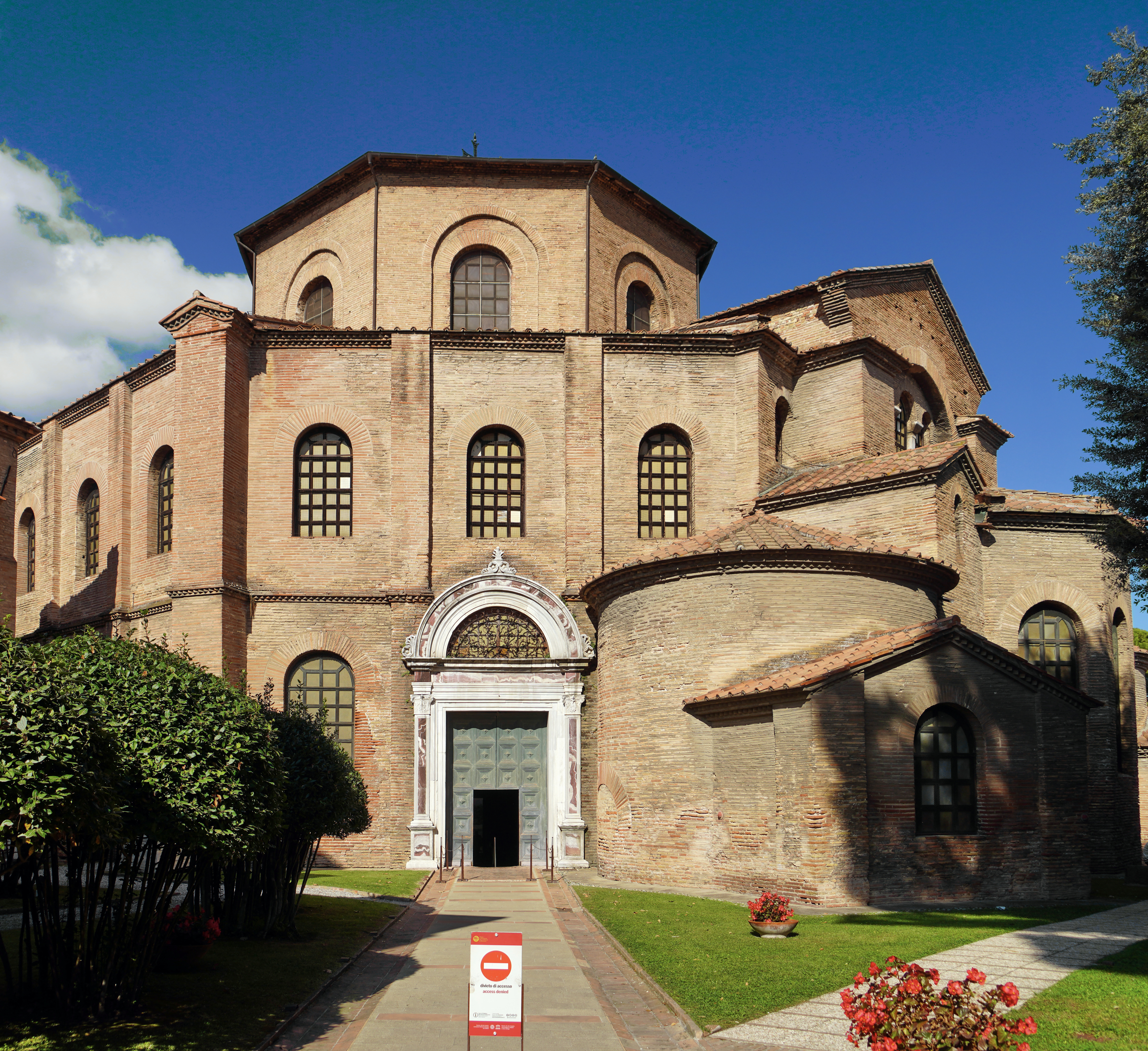
The Basilica of San Vitale is a truly awe-inspiring church in Ravenna, Italy, famous for its stunning early Byzantine mosaics. It's not just a building; it's a treasure chest of history and art, recognized as part of a UNESCO World Heritage Site that celebrates Ravenna's unique late antique heritage. Visiting San Vitale feels like stepping back into the 6th century, a time when Ravenna was a major center of the Byzantine Empire.
Construction kicked off around 540 AD, and the basilica was consecrated in 547 AD. Bishop Ecclesius was the visionary behind it, and a wealthy local banker named Julianus Argentarius provided the funds. What's really striking is its design – it's not your typical long church. Instead, it's octagonal, with a dome at its center, hinting at influences from the East. This unique shape creates a sense of grandeur and intimacy all at once.
Mission
As an active Roman Catholic church, the Basilica of San Vitale's primary mission is to serve as a place of worship and spiritual reflection for its congregation. Beyond its religious function, the basilica is dedicated to preserving and showcasing its immense historical and artistic value. It aims to educate visitors and scholars alike about the rich Byzantine heritage of Ravenna, acting as a vital cultural monument and a testament to the artistic achievements of the 6th century.
History
The story of the Basilica of San Vitale begins in the 6th century, a time when Ravenna was the administrative capital of the Byzantine Exarchate of Italy. Construction commenced around 540 AD, spurred by Bishop Ecclesius, and was made possible by the considerable financial backing of Julianus Argentarius, a local banker known for funding significant public works. The basilica was consecrated in 547 AD, a remarkably swift completion for such an ambitious project.
Its design was quite revolutionary for its time, moving away from the traditional longitudinal basilica plan. Instead, architects opted for an octagonal structure with a soaring central dome, a layout that reflected Eastern influences and set a new standard for Byzantine ecclesiastical architecture. This innovative approach allowed for a magnificent display of mosaics that would become the church's most celebrated feature.
Notable People
Bishop Ecclesius
Commissioner · c. 540 AD
Initiated the construction of the Basilica of San Vitale.
Julianus Argentarius
Financier · c. 540 AD
Funded the construction of the Basilica of San Vitale.
Emperor Justinian I
Subject of mosaic · 6th century
Depicted in the famous mosaic panels within the basilica, showcasing imperial power.
Empress Theodora
Subject of mosaic · 6th century
Depicted alongside Emperor Justinian in iconic mosaic panels, highlighting her role in the Byzantine court.
Milestones
c. 540 AD
Construction begins.
547 AD
Basilica consecrated.
1996
Included as part of the UNESCO World Heritage Site 'Early Christian Monuments of Ravenna'.
Sources
Organization Info
- Founded
- 547 AD
- Headquarters
- Ravenna, Italy
- Country
- Italy
- Parent
- Roman Catholic Archdiocese of Ravenna-Cervia
- Type
- Religious
- Architectural Style
- Byzantine, Early Christian
- Plan
- Octagonal
- Notable Features
- 6th-century mosaics depicting Justinian and Theodora, imperial court scenes, and biblical narratives.
- UNESCO Designation
- Part of 'Early Christian Monuments of Ravenna' World Heritage Site since 1996.
Official Website
www.ravennamosaici.it/en/basilica-of-san-vitale/
Join the community
fans discussing