 France
About
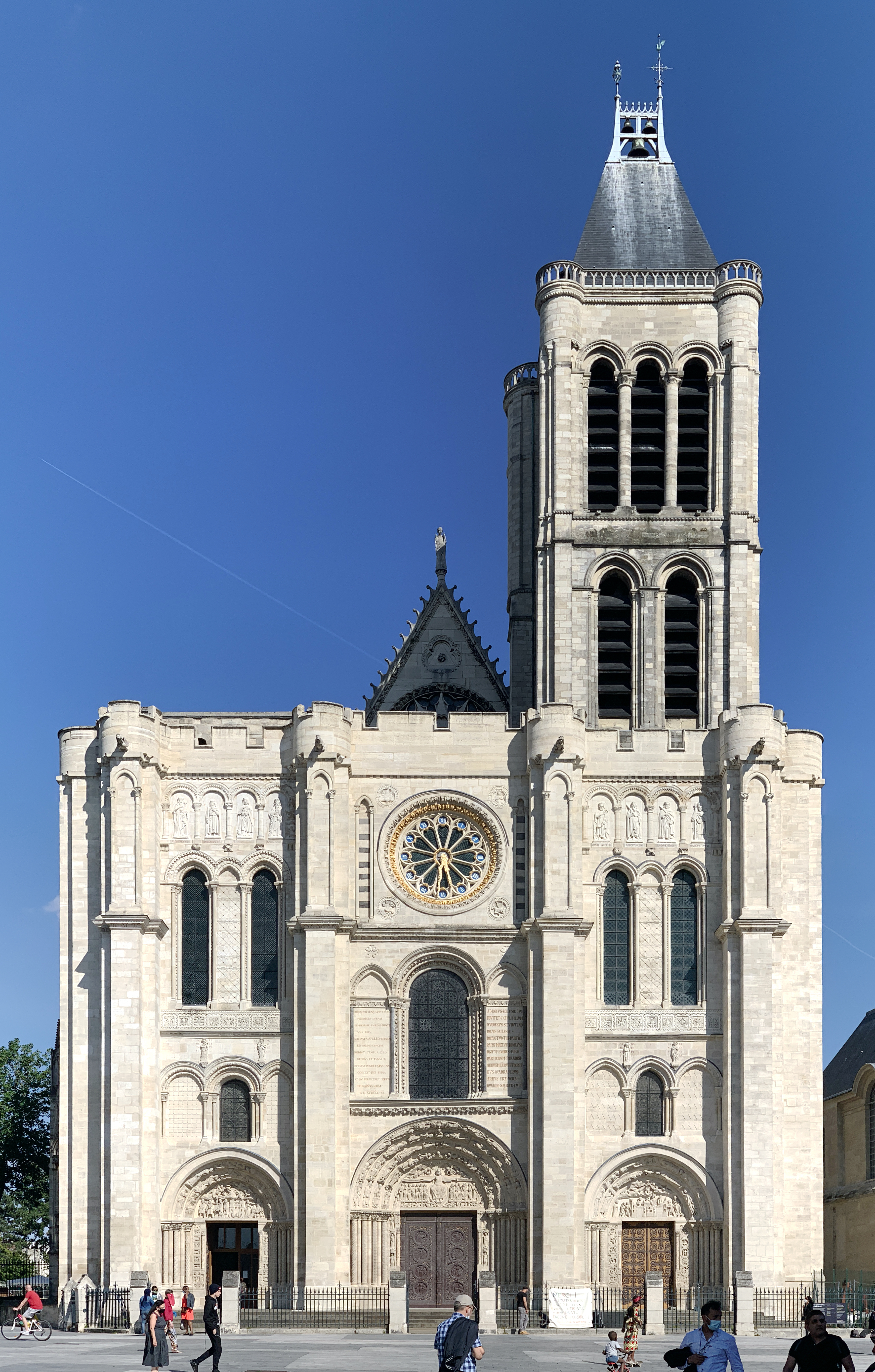
The Basilica of Saint-Denis, formally known as the basilique cathédrale Saint-Denis, stands as a cornerstone of architectural history. This Roman Catholic cathedral, located in the northern Parisian suburb of Saint-Denis, began as a medieval abbey church. Its choir, completed in 1144, is widely recognized as the first structure to fully embrace the elements of Gothic architecture, making it a must-see for anyone interested in the evolution of building design.
The basilica's significance extends beyond its architectural innovations. It served as the burial site for French monarchs, earning it the title of the royal necropolis. Over centuries, it has witnessed coronations, revolutions, and restorations, embedding itself deeply in the national narrative. Today, it functions as both a place of worship and a major tourist attraction, drawing visitors who come to admire its stained glass, sculpted portals, and the tombs of kings and queens.
While not a film or television production, the basilica's story is one of grandeur and transformation. Its construction, spanning multiple eras, involved numerous architects and craftsmen, each adding their own layer to its rich tapestry. The building's enduring presence makes it a living document of medieval engineering and royal ambition, inviting exploration and contemplation.
Mission
The Basilica of Saint-Denis serves a dual mission: to remain a living Catholic parish and to preserve and present one of France's most significant heritage monuments. As a place of worship, it continues to hold regular Masses and religious ceremonies, honoring the legacy of Saint Denis. As a national monument, it aims to educate the public about the birth of Gothic architecture and the history of the French monarchy, while undertaking careful restoration to ensure its survival for future generations.
History
Christian worship on the site of the Basilica of Saint-Denis began in the third century, when Saint Denis, the first Bishop of Paris, was martyred by decapitation on Montmartre. According to tradition, he carried his head to the site where the basilica now stands, making it a place of pilgrimage from the earliest days.
The abbey church was formally founded in 1101, but its most transformative moment came under Abbot Suger in the 1130s and 1140s. Suger rebuilt the west facade and choir, introducing pointed arches, ribbed vaults, and flying buttresses in a way that had never been done before. The completed choir, consecrated in 1144, is universally regarded as the first Gothic structure, setting a template that would spread across Europe.
For over a millennium, the basilica served as the royal necropolis. Nearly every French king from the 10th to the 18th century was buried here, along with queens and royal servants. The monarchy's close association with the site made it a target during the French Revolution. In 1793, revolutionary mobs broke into the tombs, exhumed and desecrated the remains of kings and queens, and dumped them into mass graves. The basilica survived, but the damage was profound.
The 19th century brought restoration efforts, but also loss. The 90-meter spire, which had defined the skyline, was dismantled in the 1840s due to structural instability and never rebuilt. For 180 years, the basilica stood without it. In March 2025, a major restoration project began to reconstruct the spire, following the precedent set by Notre Dame's rebuilding. By December 2025, the basilica had regained its silhouette and opened a new visitors' center, marking a new chapter in its long history.
Subdivisions
Royal Necropolis
Burial site of French monarchs, housing 70 recumbent effigies and tombs of 43 kings, 32 queens, and 10 royal servants.
Choir
Completed in 1144, the first fully Gothic architectural achievement, featuring pointed arches and ribbed vaults.
Stained Glass Windows
A collection of medieval stained glass, considered among the finest examples of the craft.
Tower and Spire
The north tower and spire, currently under reconstruction, originally rose to 90 meters.
Notable People
Abbot Suger
Abbot of Saint-Denis · 1122-1151
Commissioned the Gothic reconstruction of the abbey church, pioneering the style.
Saint Denis
First Bishop of Paris · 3rd century
Martyred around 250 AD; the basilica was built over his tomb.
Milestones
250
Martyrdom of Saint Denis at Montmartre
1101
Founding of the abbey church
1144
Consecration of the choir, first Gothic structure
1793
Revolutionary desecration of royal tombs
1840s
Dismantling of the spire due to structural issues
2025-03
Start of spire reconstruction
2025-12
Basilica regains silhouette, new visitors' center opens
2026-04
International cooperation agreement with Korea Heritage Service
Sources
Organization Info
- Founded
- 1101-01-17
- Headquarters
- 1 Rue de la Légion d'Honneur, 93200 Saint-Denis, France
- Country
- France
- Rector
- Monsignor Bernard Ginesty
- Parent
- Centre des monuments nationaux
- Type
- Religious
- Architectural style
- Gothic
- Burials
- 43 kings, 32 queens, 10 servants
- Number of recumbent effigies
- 70
- Spire height (original)
- 90 meters
Official Website
www.saint-denis-basilique.fr/
Join the community
fans discussing