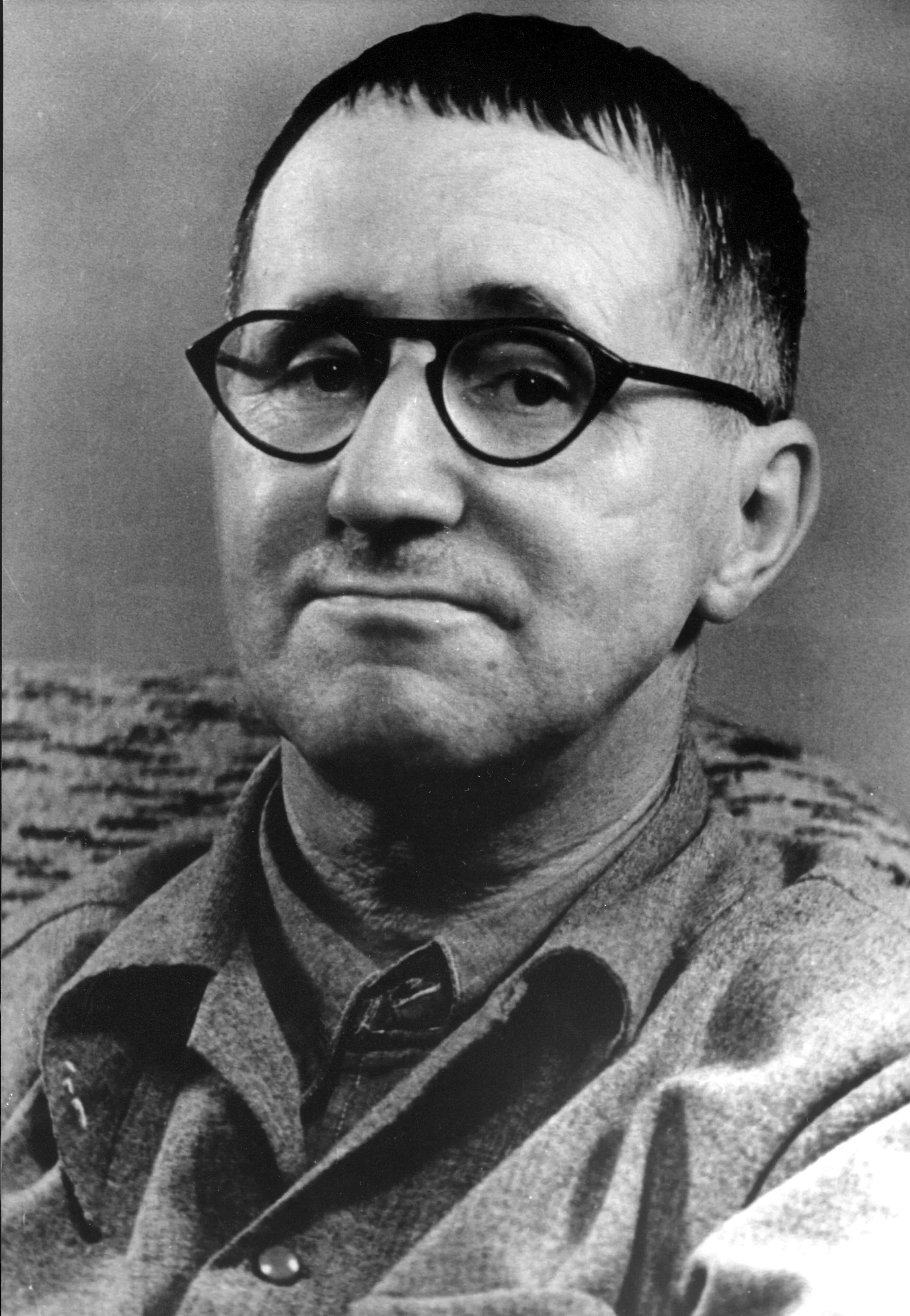
Basil Gorgis
 Iraq
IraqAlso known as: Basil Korkis, Basil Gewargis, Basil Gewargees
Birthday
September 6, 1961
Birth Sign
Virgo
Birthplace
Ankawa, Arbil, Iraq
Age
64 years old
Height
6 ft 1 in (1.86 m)
About
Basil Gorgis is an Iraqi former professional footballer, widely regarded as one of the greatest players in the nation's history. Born in Ankawa, Iraq, he made his mark as an attacking midfielder and forward known for his fierce tenacity and technical brilliance. He was a cornerstone of Iraq's celebrated "Golden Team" of the 1980s, helping the national side reach the 1986 FIFA World Cup, their first and only appearance to date.
Gorgis's club career spanned two of Baghdad's biggest clubs, Al-Shorta and Al-Talaba, where he earned a reputation as a feared forward. Despite his career being cut short by injury, his influence on Iraqi football remains profound, and he is still celebrated as a symbol of resilience and skill. Today, he is remembered as a devoted family man, married with three daughters, and remains a respected elder statesman of the sport in Iraq.
Early Life & Background
Basil Gewargis Hanna was born on September 6, 1961, in Ankawa, a suburb of Erbil in northern Iraq, into an Assyrian Christian family. Growing up in this culturally rich community, football became his passion early on. He spent his youth playing on the streets and local pitches of Ankawa, where his natural talent quickly set him apart from his peers.
As a teenager, Gorgis joined local clubs in Arbil, honing his skills in a competitive environment. The political and social instability of Iraq in the 1970s and 1980s made his path to professional football challenging, but his dedication never wavered. His performances for regional teams caught the attention of scouts from Baghdad, leading to a move to the capital to join Al-Shorta in the early 1980s. This transition marked the beginning of his rise to national prominence, setting the stage for his future success with the national team.
Career Growth
Gorgis's career took off after his move to Baghdad, where he joined Al-Shorta and quickly established himself in the Iraqi Premier League. His dynamic style and goal-scoring ability soon earned him a transfer to Al-Talaba, where he became a key figure in their domestic success during the 1980s. His performances in the league were instrumental in winning multiple titles, though exact years and counts vary across sources.
On the international stage, Gorgis was a pivotal member of the Iraqi squad that qualified for the 1986 FIFA World Cup in Mexico. He played in all three group stage matches, including the historic 0-0 draw against Belgium on June 8, 1986. He also represented Iraq at the 1988 Summer Olympics in Seoul, playing against Zambia. His career was unfortunately cut short by recurring injuries in the late 1980s, but his impact on the tactical evolution of Iraqi football remains unmatched. After retiring, he transitioned into coaching and mentoring young players, and he remains an active figure in the football community.
Career Timeline
Public Image & Style
In Iraq, Basil Gorgis is revered as a symbol of resilience and national unity. His playing style blended aggressive defending with creative attacking, making him a versatile and feared opponent. He is often called a "Legend" or "Icon" in Iraqi sports media, and his humility and dignity off the pitch have only enhanced his reputation. Among Assyrian communities, he is a source of pride, representing a minority group on the international stage. There is no official fandom name, but his legacy is celebrated in retrospectives and documentaries about the 1986 generation.
Fame & Fandom
Basil Gorgis, the Iraqi football legend, holds a unique place in the global sporting consciousness, yet his fame is not quantified in iFANN's published rankings. As of August 2026, the Global Fame Engine has evaluated his profile, but he does not currently hold a placement in the Global Top 1,000 or any Top-100 scope list. This absence, however, does not diminish his standing; rather, it reflects a career that predates the digital era's measurement of celebrity.
His renown is deeply rooted in two distinct communities. Among Iraqi football enthusiasts, he is venerated as one of the nation's all-time greats, a cornerstone of the celebrated 'Golden Team' of the 1980s. Within the Assyrian diaspora, he is a cultural icon, representing a minority group on the international stage. This dual legacy ensures his name is spoken with reverence in homes from Baghdad to Chicago, yet his fanbase has never coalesced into a formal, named entity. There is no documented fandom name, no organized supporter group, and no significant social media presence, a quiet dignity that contrasts with modern celebrity culture.
Instead, his legend is carried through the stories of his era: the 1986 World Cup appearance, the 1988 Olympics, and his enduring role as a symbol of resilience during the Iran-Iraq War. These narratives, retold across generations, form the true measure of his fame, one that transcends rankings and resonates in the hearts of those who remember.
Interesting Facts and Legends
Basil Gorgis's name appears in several transliterations, including Basil Korkis in Arabic contexts, Basil Gewargis in Western sources, and Basil Gewargees in Assyrian communities. He is one of the few Assyrian players to achieve international fame for Iraq, and he is often grouped with Hussein Saeed and Ahmad Radhi as the 'Iron Triangle' of Iraqi football in the 1980s. Despite his fame, he maintains a low profile and does not have a significant public social media presence. He is remembered for a quote about representing his Assyrian heritage while playing for Iraq.
One of the most enduring legends of his career is his participation in the 1986 FIFA World Cup in Mexico, where Iraq qualified for the first time in history. Though the team lost all three group matches, the achievement itself became a symbol of national pride, especially given the backdrop of the Iran-Iraq War. Fans still retell the story of how Gorgis and his teammates defied the odds to compete on the world's biggest stage.
Another iconic moment came in 2018 when Gorgis ran for a seat in Iraq's parliamentary elections, a move that reignited public interest in his legacy and demonstrated his continued standing as a public figure. His career also included representing Iraq at the 1988 Seoul Olympics, further cementing his status as a pioneer for Assyrian athletes.
Notable Quotes
“We play for Iraq, but we carry our heritage in every step.”
“The pitch is where I found my purpose, and I gave everything to it.”
“Football is not just a game; it's a way to unite people.”
Family & Personal Life
Basil Gorgis is a devoted family man. He is married, though his wife's name is not publicly disclosed, and the couple has three daughters. The family has kept a low profile, with no public information about other relatives or pets. Gorgis's Assyrian Christian heritage is an important part of his identity, and he has spoken about carrying his heritage in every step he takes on the pitch. He and his family are believed to reside in Iraq, though some reports suggest they may live abroad.
Notable Connections
Basil Gorgis is closely associated with his national teammates Hussein Saeed and Ahmad Radhi, forming the "Iron Triangle" of Iraqi football in the 1980s. He also shares a connection with Ali Daei, often mentioned in comparative analyses of Middle Eastern footballers of the era. His legacy is intertwined with the 1986 World Cup squad, which remains a source of national pride.
Relationships & Dating History
Basil Gorgis has maintained a remarkably private personal life. He is married, though his wife's name has never been publicly revealed. The couple has three daughters. There is no public record of any previous relationships, engagements, or divorces. He has avoided the spotlight when it comes to his family, and as of 2026, he remains married, with no reports of separation or change in marital status.
- Married1980 - presentCurrentWife's name not publicly disclosed; they have three daughters together.
Salary, Net Worth In 2026
$1 Million
iFANN Editorial Team estimate
As of 2026, iFANN's editorial research estimates Basil Gorgis's net worth at $1 million. This figure is based on limited public information, as Gorgis retired decades ago and has not pursued significant commercial endorsements or business ventures. His income likely derives from post-retirement activities such as coaching, consulting, and speaking engagements within the Iraqi football community. He may also hold modest savings and property in Iraq. Without verified financial disclosures, these estimates remain speculative, but they reflect a career built on sporting excellence rather than financial accumulation.
Awards & Accolades
View 2 records, honours and achievementsKnown For
1986 FIFA World Cup
1986 · Midfielder/Forward for Iraq
Al-Talaba
1983 · Key player
Al-Shorta
1981 · Player
Keywords
Sources
Quick Facts
- Profession
- Association football player
- Born
- September 6, 1961
- Birthplace
- Ankawa, Iraq
- Gender
- Male
- Height
- 6 ft 1 in (1.86 m)
Personal Details
- Full Name
- Basil Gewargis Hanna
- Height
- 6 ft 1 in (1.86 m)
- Children
- 3 daughters
Frequently Asked Questions
When was Basil Gorgis born?
Which teams did Basil Gorgis play for?
Is Basil Gorgis still alive in 2026?
How many children does Basil Gorgis have?
What is Basil Gorgis's net worth in 2026?
Similar People
Join the community
fans discussing