
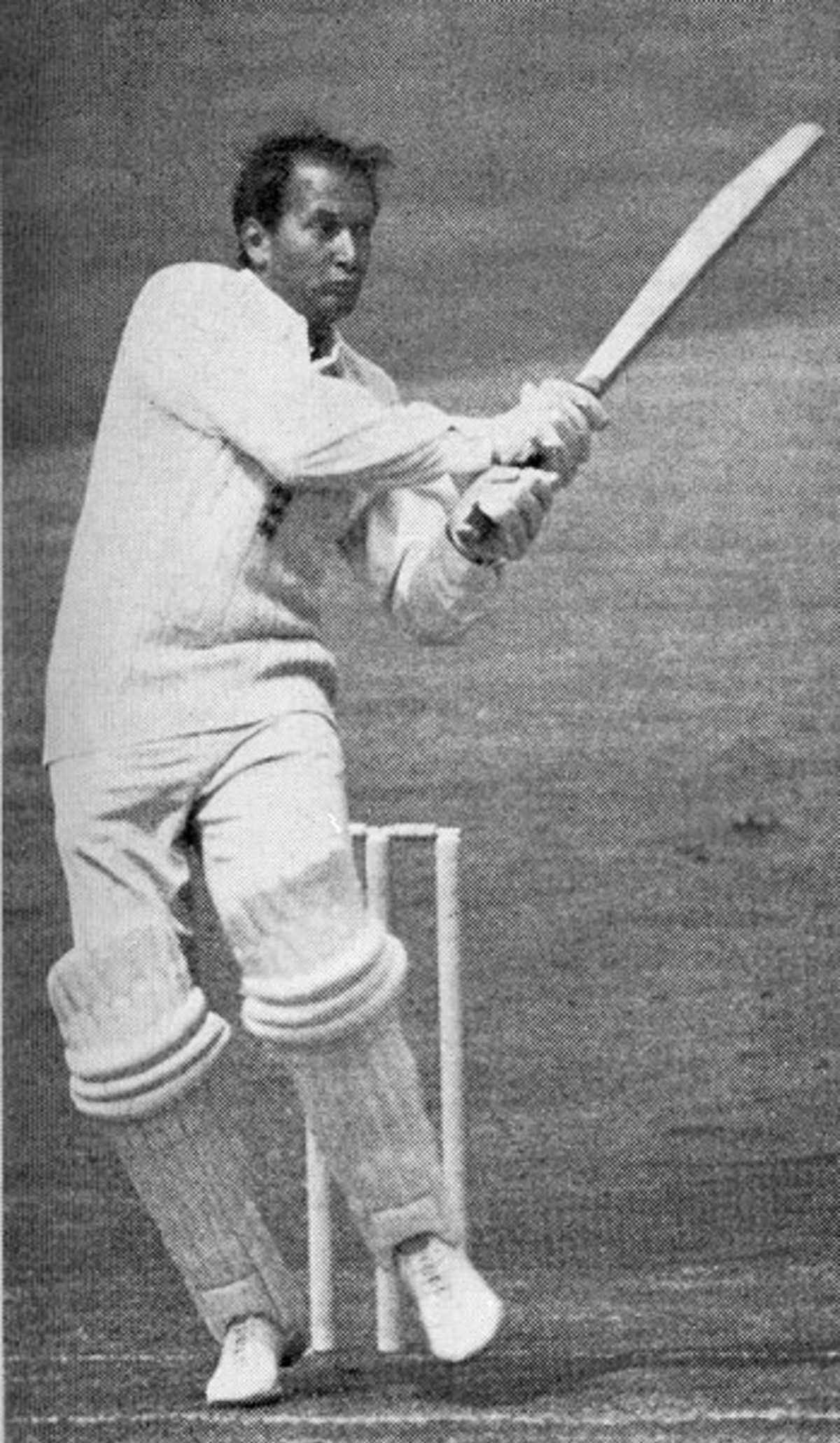
Basil D'Oliveira
 South Africa
Also known as: Dolly, Basil Lewis D'Oliveira
Birthday
October 4, 1931
Birth Sign
Libra
Birthplace
Signal Hill, Cape Town, South Africa
Age
Died at 80
About
Basil D'Oliveira was a South African-born cricketer who became an England international and a pivotal symbol in the global struggle against apartheid. Born in Signal Hill, Cape Town, to a family of mixed-race heritage known as Cape Coloured, he faced systemic racism that barred him from playing first-class cricket in his home country despite his exceptional talent. He moved to England in 1960 to escape segregation, eventually qualifying to play for Worcestershire County Cricket Club. His career with England spanned from 1966 to 1972, during which he earned 44 Test caps and four One Day International appearances as a reliable all-rounder.
Known affectionately as "Dolly," D'Oliveira is best remembered for the political storm triggered by his potential selection for the 1968 tour of South Africa. When English selectors initially omitted him due to pressure from the apartheid regime, Prime Minister Harold Wilson intervened, declaring the tour would be cancelled if D'Oliveira was excluded. This incident, known as the D'Oliveira Affair, led to his late inclusion and the subsequent cancellation of the tour by the South African government, isolating the regime internationally. He passed away on November 19, 2011, at the age of 80.
Early Life & Background
Born on October 4, 1931, in Signal Hill, Cape Town, Basil D'Oliveira grew up in a community where sports were strictly segregated under apartheid laws. His father worked as a dockworker and his mother as a domestic worker, but young Basil found solace and expression through cricket. He played with immense passion and skill in non-white leagues, yet the rigid color barrier prevented him from advancing beyond the local level in South Africa. The injustice of being denied the chance to represent his own country while possessing world-class ability defined his early years.
In 1960, at the age of 29, he made the decisive move to England, settling in Worcester. There, he joined the Worcestershire club, where his consistent performances quickly caught the attention of selectors. Before achieving fame, he worked various jobs to support himself and his family, including driving a taxi and working in a factory, all while honing his craft in county cricket. His journey from a talented player barred by race to a key figure in English cricket began with this quiet determination to prove his worth on the field.
Career Growth
D'Oliveira's professional career unfolded in distinct phases, beginning when he moved to England in 1960 and joined Worcestershire. By 1964, he had established himself as a key player for the county, leading to his Test debut for England against India at Lord's in 1966. Over the next six years, he earned 44 Test caps and four One Day International appearances, scoring over 2,500 runs and taking more than 100 wickets as a dependable all-rounder.
The defining moment of his career occurred in August 1968 when he was initially omitted from the England squad for the tour of South Africa due to political pressure. Prime Minister Harold Wilson intervened, stating that if D'Oliveira was not included, the tour would be cancelled. This "D'Oliveira Affair" led to his late inclusion and the subsequent cancellation of the tour by the South African government, isolating the regime internationally. Later that year, he scored an unbeaten 158 against Australia at the Sydney Cricket Ground, a performance widely cited as proof of his worth and a turning point in his public perception. He played his final Test match against New Zealand in 1972 and remained active in cricket as a coach and administrator until his death.
Career Timeline
Public Image & Style
Basil D'Oliveira is remembered as a man of quiet dignity and immense courage. Media portrayals emphasize his role as a symbol of resistance against injustice rather than just a cricketer. His image is associated with the moral victory of the anti-apartheid movement, and he is often depicted in historical contexts as a figure who stood up for his rights without seeking fame. He maintained a low profile off the field, letting his actions speak louder than words, which earned him deep respect across racial and political divides.
Fame & Fandom
Basil D'Oliveira currently holds no placement in the iFANN Global Top 1,000 rankings or any scope-specific list. The engine evaluated his legacy in September 2026 and found he does not occupy a numbered position among the world's most famous figures. While modern celebrity metrics often chase viral spikes, D'Oliveira's standing remains anchored in historical weight rather than current search volume. His name appears in history books and cricket archives, yet it lacks the active fanbase required for a ranked score. No formal fandom name exists to organize supporters, rallies, or digital campaigns around him. He was not an entertainer seeking engagement; he was a symbol of resistance whose relationship with the public was defined by political gravity, not celebrity culture. Decades after his death, there are no chart pushes, birthday billboards, or fan-funded projects dedicated to his memory. The absence of a named community reflects his status as a historical figure from an era before social media, where fans could not interact with him directly. His legend is not built on rituals but on the profound shockwaves sent through international sports when apartheid laws clashed with athletic merit. The crowd that remembers him did so in silence or in outrage, not in organized chants. This lack of a modern fan structure underscores how his impact transcends typical fame cycles, resting instead on the enduring institutional recognition of his struggle against segregation.
Interesting Facts and Legends
Basil D'Oliveira was known to friends and teammates by the nickname "Dolly." Before becoming a full-time cricketer, he worked as a taxi driver in Worcester to make ends meet while balancing his training and matches. A widely retold story involves his unbeaten 158 runs against Australia at the Sydney Cricket Ground in 1968; while some contemporary accounts described the innings as a struggle, folklore elevates it as the heroic performance that proved his worth and made his exclusion politically impossible. Following his death on November 19, 2011, at age 80 from Parkinson's disease, his legacy was cemented by the naming of the "Basil D'Oliveira Trophy." This annual award for the England-South Africa Test series serves as a permanent monument to his role in isolating the apartheid regime through sport.
Notable Quotes
“I am not a political creature. I am a cricketer.”
Family & Personal Life
Basil D'Oliveira was married to Joyce D'Oliveira. They met in England after he emigrated, and their marriage provided a stable foundation throughout his cricketing career. Joyce supported him through the intense political scrutiny of the 1968 affair and the demands of international cricket. The couple had several children, including their son Damian D'Oliveira, who also pursued a career in cricket, playing for Worcestershire. While specific details regarding early romantic relationships prior to his marriage are not extensively documented in public records, his long-term partnership with Joyce is well-established. As of his death in 2011, he was widowed.
Notable Connections
Relationships & Dating History
Basil D'Oliveira was married to Joyce D'Oliveira. They met in England after he emigrated, and their marriage provided a stable foundation throughout his cricketing career. Joyce supported him through the intense political scrutiny of the 1968 affair and the demands of international cricket. The couple had several children, including their son Damian D'Oliveira, who also pursued a career in cricket, playing for Worcestershire. While specific details regarding early romantic relationships prior to his marriage are not extensively documented in public records, his long-term partnership with Joyce is well-established. As of his death in 2011, he was widowed. There are no reports of subsequent relationships post-divorce or remarriage, as he remained married to Joyce until his passing.
- MarriedJoyce D'Oliveira1960 - 2011Met in England after he emigrated; remained married until his death.
Death & Aftermath
Died
November 19, 2011 (aged 80)
Death Place
Rushwick, Worcester, England
Cause of Death
Parkinson's disease
The family of Basil D'Oliveira confirmed his passing on November 19, 2011, attributing the end to a long battle with Parkinson's disease. The former England cricketer died at his home in Rushwick, Worcester, at the age of eighty, ending a life that had transformed from a symbol of resistance against apartheid into an enduring icon of sporting integrity. Immediate tributes poured in from the cricketing world and political figures alike, celebrating a man who had challenged a regime through his mere presence on the field. Major outlets like The Guardian and CNN published extensive obituaries highlighting the 1968 D'Oliveira Affair, cementing his legacy as someone who changed history through sport.
While specific details regarding funeral arrangements or private family statements remain unrecorded in public archives, the institutional recognition of his impact persisted instantly. His memory was preserved not through a single ceremony but through the ongoing existence of the Basil D'Oliveira Trophy, a series contested between England and South Africa that ensures his name remains central to cricket history. The trophy has seen notable moments, such as Joe Root posing with it in 2020, keeping the spirit of his struggle alive for new generations.
Net Worth (Estate Value)
$0
iFANN Editorial Team estimate
As a deceased individual whose career spanned the mid-20th century. Historical earnings from cricket salaries and endorsements during his era were modest compared to modern standards, and no public records indicate significant real estate holdings or business ventures that would generate ongoing wealth. Any figures suggesting a multi-million dollar net worth would be speculative and likely conflated with the value of his legacy rather than personal assets. The estate has not been publicly valued, but his contributions have ensured his name remains prominent in cricket history books and educational materials.
Awards Won (2)
Basil D'Oliveira received numerous honors for his contributions to cricket and the fight against apartheid. He was appointed Commander of the Order of the British Empire (CBE) in 1998 for services to cricket. In 2005, he was awarded the Order of Ikhamanga (OIS), a South African national honour for his contribution to the fight against apartheid. He was inducted into the Worcestershire Hall of Fame and posthumously honored with the naming of the Basil D'Oliveira Trophy in 2008.
1998 · Services to Cricket
2005 · Contribution to Anti-Apartheid
Known For
England Cricket Team
1966 · Player
Worcestershire County Cricket Club
1964 · Player
Keywords
Sources
Quick Facts
- Profession
- cricketer
- Born
- October 4, 1931
- Birthplace
- Signal Hill, Cape Town
- Died
- November 19, 2011
- Death Place
- Rushwick, Worcester
- Gender
- Male
- Birth Sign
- Libra
Personal Details
- Full Name
- Basil Lewis D'Oliveira
- Spouse
- Joyce D'Oliveira
- Children
- Damian D'Oliveira
Frequently Asked Questions
Who was Basil D'Oliveira?
What happened in the D'Oliveira Affair?
When did Basil D'Oliveira die?
What caused Basil D'Oliveira's death?
Is there a trophy named after Basil D'Oliveira?

Join the community
fans discussing