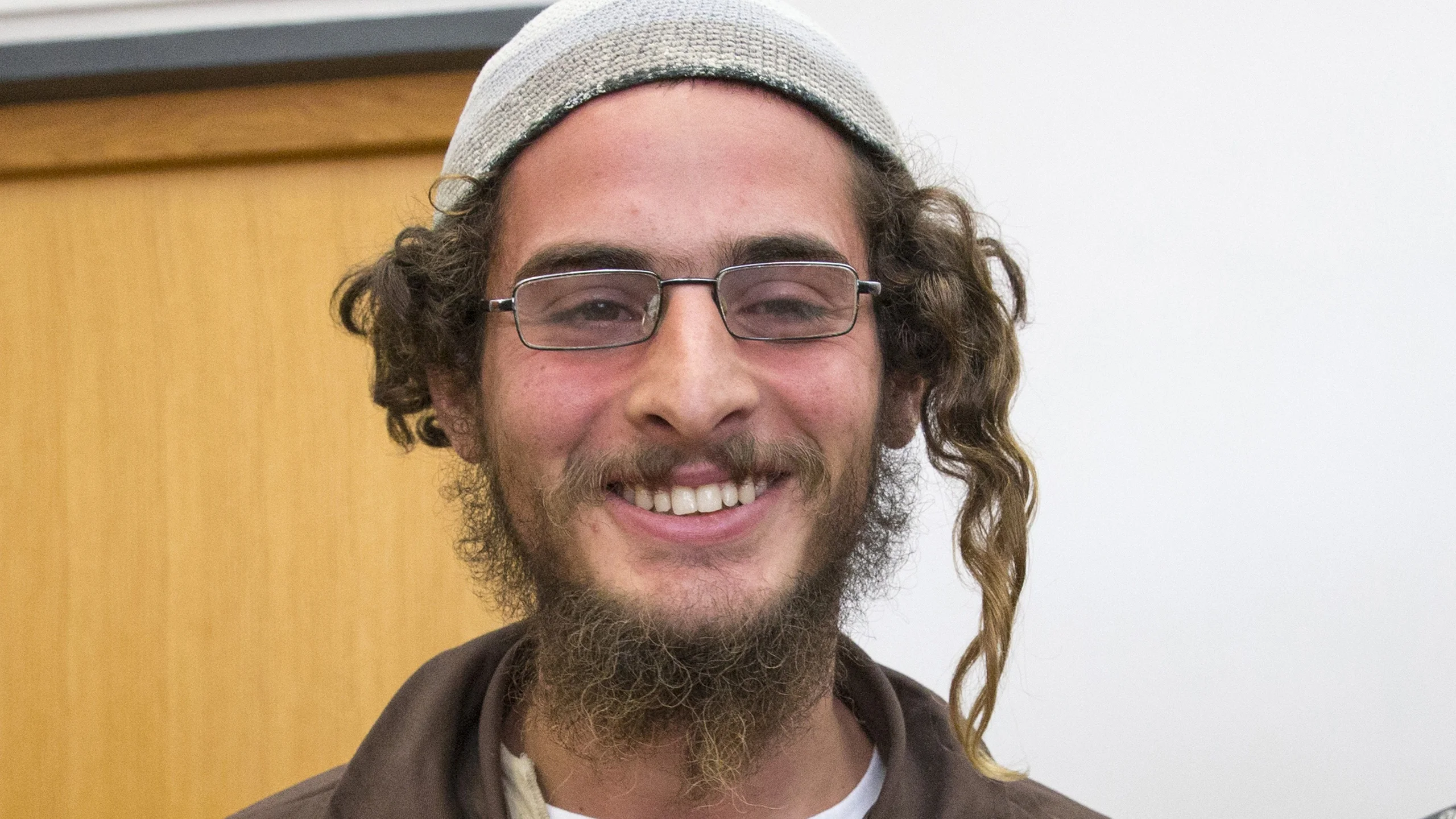
Baruch Goldstein
 Israel
Also known as: Baruch Kopel Goldstein, Benjamin Carl Goldstein, ברוך גולדשטיין
Birthday
December 9, 1956
Birth Sign
Sagittarius
Birthplace
Brooklyn, New York, United States
Age
Died at 37
About
Baruch Kopel Goldstein, born Benjamin Carl Goldstein on December 9, 1956, in Brooklyn, was an American-Israeli physician and religious extremist. He is known for committing the 1994 Hebron massacre, one of the deadliest acts of Jewish terrorism in Israel's history. Goldstein was a devoted follower of Meir Kahane and a supporter of the Kach party, which was later designated a terrorist organization. On February 25, 1994, he entered the Cave of the Patriarchs during Ramadan prayers and killed 29 Palestinian worshippers, wounding 125 more. He was beaten to death by survivors.
Goldstein's actions had far-reaching consequences, leading to the ban of Kach in Israel and shaping the discourse around Jewish extremism. His grave became a pilgrimage site for some, though the shrine was later dismantled by the Israeli military. As of 2026, Goldstein's legacy remains a subject of intense debate, with some viewing him as a murderer and others as a martyr.
Early Life & Background
Goldstein grew up in a religious Jewish household in Brooklyn, where he was steeped in scripture from an early age. He attended Yeshiva University, earning a medical degree, and became involved with the Jewish Defense League, a militant group founded by Meir Kahane, whom he knew from childhood. In 1983, he immigrated to Israel and settled in Kiryat Arba, a settlement near Hebron. He worked as a physician for the Israeli military but refused to treat Arab patients, reflecting his radical views. He was an active member of Kach, ranking third on its Knesset list in the 1984 elections.
Career Growth
Goldstein's career as a physician was overshadowed by his extremist activism. His medical work in Kiryat Arba was marked by his refusal to treat Arabs, a stance that drew criticism. His political involvement with Kach culminated in his high position on the party's list, but the party never won a seat. His notoriety, however, stems from the 1994 massacre, an event that defined his legacy and led to his death and the subsequent ban of Kach.
Career Timeline
Public Image & Style
Goldstein is widely condemned as a terrorist and murderer, both internationally and within Israel. However, among some extremist circles, he is celebrated as a hero and martyr. His grave site became a pilgrimage destination, and his ideology continues to inspire fringe elements. Polls have shown that a small percentage of Israeli Jews, particularly among right-wing voters, view him positively, a fact that continues to spark controversy.
Fame & Fandom (iFAMOUS Rankings)
Baruch Goldstein does not possess a fandom in the traditional sense of entertainment culture; no fanbase organizes under a specific moniker, nor do adherents engage in pop-culture rituals or chart-driven campaigns. His legacy is sustained instead by ideological adherence to Kahanism, where a small but politically active segment of society venerates him as a martyr rather than a celebrity. This distinction shapes his global standing, which is measured through the iFANN Global Fame Rankings rather than commercial metrics. Despite the absence of a formal fan club, the reach of his infamy remains significant across historical and political datasets. According to the August 2026 data cycle, Goldstein holds steady placements within the iFANN Global Fame Rankings, reflecting his enduring presence in global discourse regarding extremism and history. He is currently the 87th most famous person in Israel, a position unchanged from the previous cycle. Furthermore, he ranks as the 54th most famous person from Israel, also holding steady against prior measurements. These figures capture a unique phenomenon where notoriety derived from violence translates into measurable fame rankings, tracking global attention across media coverage, search activity, and consumption signals worldwide without relying on artistic output. The iFANN methodology ensures these placements reflect the weight of his historical impact rather than transient popularity. While no fanbase calls itself by a specific name, the veneration of his memory persists among fringe groups who view his actions as holy martyrdom. This ideological support has occasionally manifested in political symbolism and the maintenance of shrines, yet it remains distinct from the organized fandoms found in music or film. The only documented "campaigns" involve efforts to preserve his physical legacy or utilize his image in political contexts, such as the refusal to remove his portrait from an office or the continued settlement activism led by his family.
Interesting Facts and Legends
Goldstein was known to carry a copy of the Book of Esther during the attack, with some accounts claiming he shouted 'I am a messenger of God' before opening fire. He served as a member of the Jewish Defense League, an organization founded by his mentor Meir Kahane. His tombstone originally bore the inscription 'He gave his life for the people of Israel, its Torah and land,' a phrase later removed by the Israeli army, though the stone itself remains covered with gravel despite the dismantling of the shrine. The defining legend surrounding Goldstein is the massacre at the Cave of the Patriarchs on February 25, 1994, which serves as the singular anchor for all narratives concerning his life. In this verified historical event, he entered the site during Ramadan prayers and killed 29 Palestinian worshippers before being beaten to death by survivors. Within the Kahanist community, this event is retold not as a massacre but as a heroic stand, cementing his status as a martyr among his followers. A recurring element in these stories involves the construction of a shrine near his grave, which became a pilgrimage destination for extremists even after official attempts to dismantle the site. Recent narratives from the mid-2020s further connect his ideology to contemporary events, noting that his son has led settlement expansion efforts in the West Bank, ensuring the continuation of his family's role in the political activism associated with his father's legacy.
Family & Personal Life
Goldstein was married, though details about his wife and children are scarce. His son, Eliyahu Goldstein, has been reported to be involved in expanding settlement activity in Hebron, including land seizures. The family has remained in the public eye due to Eliyahu's actions and the ongoing legacy of the massacre.
Notable Connections
Meir Kahane, founder of the Jewish Defense League and Kach party, was a childhood acquaintance and ideological mentor to Goldstein. Goldstein's actions also brought attention to the Kach party, which was banned as a result. His son, Eliyahu Goldstein, has been associated with settlement expansion in Hebron.
Relationships & Dating History
Goldstein was married, but details about his wife and their relationship are not widely publicized. He had at least one son, Eliyahu. At the time of his death, he was married, though his wife's name is not commonly reported. His family has remained out of the spotlight, except for Eliyahu's involvement in settlement activities.
- MarriedDetails about Goldstein's marriage are not publicly available.
Death & Aftermath
Died
February 25, 1994 (aged 37)
Death Place
Hebron, West Bank
Cause of Death
Blunt force trauma from beating
Baruch Goldstein died on February 25, 1994, inside the Ibrahimi Mosque in Hebron shortly after 6:00 a.m. local time while Palestinian Muslims were performing morning prayers. After opening fire with a modified assault rifle and killing 29 worshippers, he was beaten to death by survivors who had disarmed him once his ammunition was exhausted. The incident prompted immediate condemnation from Prime Minister Yitzhak Rabin and President Ezer Weizman, yet a significant segment of the Israeli right-wing and settler community viewed Goldstein as a martyr, holding vigils in Kiryat Arba within hours of the event.
Thousands attended his funeral procession the following day, which was heavily guarded by the military due to fears of riots, before he was buried in a private plot in the settlement cemetery reserved for those considered martyrs by the movement. In the decades since, polling indicates that 10% of all Israeli Jews still regard him as a national hero, while fringe groups have established foundations in his name and a street in Kiryat Arba was named after him in 2019.
Net Worth (Estate Value)
Given that Goldstein was a physician and a political activist, his personal wealth was likely modest. He had no known business ventures or inheritance. After his death, his estate has not been a subject of public record, and there are no credible reports on its value. As such, his net worth is not publicly documented.
Awards & Accolades
Known For
Hebron Massacre
1994 · Perpetrator
Keywords
Sources
Quick Facts
- Profession
- physician, politician, kahanist
- Born
- December 9, 1956
- Birthplace
- Brooklyn, New York, United States
- Died
- February 25, 1994
- Death Place
- Hebron, West Bank
- Gender
- Male
- Birth Sign
- Sagittarius
Personal Details
- Full Name
- Benjamin Carl Goldstein
- Education
- Yeshiva University (Medical Degree)
Frequently Asked Questions
Who was Baruch Goldstein?
What happened at the Cave of the Patriarchs in 1994?
Why did Baruch Goldstein commit the massacre?
When and where was Baruch Goldstein born?
Is Baruch Goldstein still alive?
Join the community
fans discussing