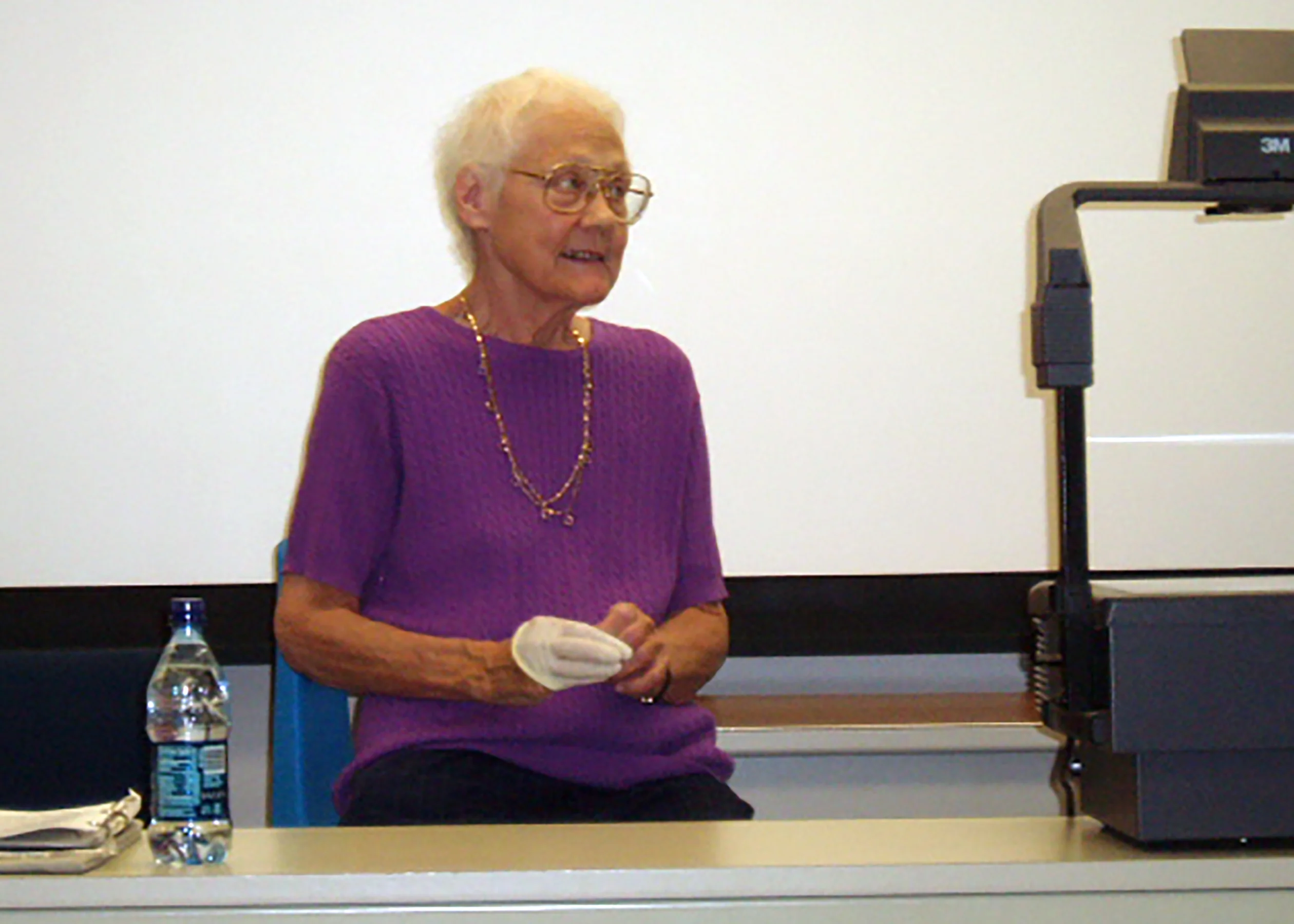
Barbara Gittings
 Austria
librarian•journalist•LGBTQ rights activist
Also known as: Mother of the LGBT civil rights movement
Birthday
July 31, 1932
Birth Sign
Leo
Birthplace
Vienna, Austria
Age
Died at 74
About
Barbara Gittings was an American librarian, journalist, and activist who is often called the mother of the LGBT civil rights movement. She died in 2007 at 74. Gittings was born in Vienna and spent most of her life in Philadelphia. She founded the New York chapter of the Daughters of Bilitis in 1958, edited The Ladder from 1963 to 1966, and helped lead the campaign that persuaded the American Psychiatric Association to remove homosexuality from its list of mental disorders in 1973. She also co-founded the American Library Association's Task Force on Gay Liberation, which pushed libraries to carry fair, nonjudgmental books on gay life. The ALA later named its annual LGBTQ fiction prize the Barbara Gittings Literature Award, and GLAAD created an award in her name for excellence in LGBTQ media. She was inducted into the National LGBTQ Wall of Honor at the Stonewall Inn in 2019. Her partner of nearly 46 years was Kay Tobin Lahusen, a photographer and fellow activist. Her career was inseparable from her activism, and she is remembered as a soft-spoken but relentless organizer who treated access to accurate information as a civil rights issue. She was one of the few women on the early picket lines and often the only one carrying a sign.
Early Life & Background
Born in Vienna on July 31, 1932, Barbara Gittings was the daughter of an American diplomat and a former teacher. Her parents divorced, and she grew up largely in Philadelphia. She was a bright, bookish girl who later described herself as a lonely teenager. Her first inklings of being different came in high school, and she recalled reading almost nothing accurate about homosexuality in libraries. That gap became the organizing principle of her life's work.
She attended Northwestern University briefly before dropping out. She moved to Philadelphia and worked a series of jobs, including as a proofreader and later as a librarian's assistant. In 1957 she earned a library science degree from Drexel Institute of Technology, now Drexel University. The following year, 1958, she founded the New York chapter of the Daughters of Bilitis, the first lesbian civil rights organization in the United States, and served as its president.
Career Growth
Gittings edited The Ladder, the Daughters of Bilitis national magazine, from 1963 to 1966, making it more political and outward-facing. In the 1960s she joined Frank Kameny and other Gay Pioneers to organize the first annual picket lines at Independence Hall in Philadelphia, beginning July 4, 1965, and at the White House, the Pentagon, and the State Department. The protests targeted the federal ban on employing gay workers. She was one of the few women present and often the only one carrying a sign in a skirt and heels to court press coverage.
From 1970 to 1973 she helped lead the successful lobbying campaign that persuaded the American Psychiatric Association to remove homosexuality from its list of mental disorders. That landmark reshaped medicine and law. Through the American Library Association's Task Force on Gay Liberation, which she co-founded in 1970, she campaigned for fair, nonjudgmental books on library shelves and for cataloging that did not bury the subject. She also helped organize the first gay booth at an ALA conference. In 1972 she appeared on national television alongside Frank Kameny on The David Susskind Show, one of the first openly gay people to do so. The American Library Association later made her an honorary member, a rare tribute for an activist rather than a career staffer.
Career Timeline
Public Image & Style
Gittings presented a deliberately conventional image at protests, wearing a skirt and heels while carrying a sign, to counter stereotypes and to ensure press coverage. She was soft-spoken but persistent, and she used her librarian's training to argue for access to accurate information as a civil rights issue. In later years she was seen as a respected elder of the movement, and her name became attached to awards that recognize LGBTQ media and literature. Fellow organizers from the 1965 pickets remembered her as someone who understood exactly what the cameras would do with the image.
Fame & Fandom (iFAMOUS Rankings)
iFANN has not yet collected fame data for Barbara Gittings, so no ranking is available. She is not on the September 2026 iFAMOUS Rankings flagship list. Her fanbase has no formal name, but she is celebrated annually at Philadelphia Pride and by LGBTQ history projects. Fans of her legacy are the readers, librarians, and activists who continue to cite her work. They point to the Barbara Gittings Literature Award and the GLAAD Barbara Gittings Award as living parts of her influence. Her story is retold in Tracy Baim's 2015 biography Barbara Gittings: Gay Pioneer and in documentary projects about the early movement.
Interesting Facts and Legends
Gittings was known for carrying a sign in a skirt and heels at the Independence Hall pickets, a deliberate choice to counter the stereotype that gay women were unfeminine. She once said, "Equality means more than passing laws. The struggle is really won in the hearts and minds of the community, where it really counts." A story fans still retell: she was so determined to find accurate information about homosexuality that she scoured library shelves as a young woman and found almost nothing, which set her on her lifelong mission. She was an avid reader and a librarian by training, and she used that training to push for better cataloging. She and Kay Lahusen were together for nearly 46 years, and Lahusen photographed much of the early movement. Her circle included Frank Kameny, Del Martin, and Phyllis Lyon.
Notable Quotes
“Equality means more than passing laws. The struggle is really won in the hearts and minds of the community, where it really counts.”
Family & Personal Life
Barbara Gittings was born to an American diplomat father and a mother who had been a teacher. Her parents divorced, and she grew up largely in Philadelphia. She had no children. Her life partner was Kay Tobin Lahusen, a photographer and fellow activist, whom she met in 1961. The two were together for nearly 46 years, until Gittings's death in 2007. They lived together in Philadelphia and later in Kennett Square, Pennsylvania. Lahusen survived her until 2021. The couple's papers are held by the New York Public Library.
Notable Connections
Relationships & Dating History
Barbara Gittings met Kay Tobin Lahusen in 1961. Lahusen was a photographer and fellow activist, and the two became partners for nearly 46 years, until Gittings's death in 2007. They lived together in Philadelphia and later in Kennett Square, Pennsylvania. Lahusen photographed much of the movement's early history, and the couple's papers are held by the New York Public Library. Lahusen survived her until 2021. Gittings was partnered with Lahusen at the time of her death. There were no other publicly documented relationships.
- DatedKay Tobin Lahusen1961 - 2007Partner for nearly 46 years, until Gittings's death in 2007. Lahusen was a photographer and fellow activist.
Death & Aftermath
Died
February 18, 2007 (aged 74)
Death Place
Kennett Square, Pennsylvania, United States
Cause of Death
Breast cancer
Barbara Gittings died on February 18, 2007, at her home in Kennett Square, Pennsylvania, after a long fight with breast cancer. She was 74. Early press reports listed her age as 75, a discrepancy that persists in some obituaries. Kay Tobin Lahusen, her partner of nearly 46 years, was with her.
News of her death brought tributes from the institutions she had prodded for decades. The American Library Association, which had made her an honorary member and named its LGBTQ fiction prize for her, noted her insistence that libraries stock honest books about gay life. GLAAD pointed to the award it had created in her name for excellence in LGBTQ media. Fellow organizers from the 1965 Independence Hall pickets recalled a woman who showed up in a skirt and heels, year after year, because she understood what the cameras would do with the image.
Her funeral and memorial details were kept largely private, in keeping with the couple's low-key style. What followed was a steady accumulation of public honors. In 2012, the city of Philadelphia dedicated a street as Barbara Gittings Way. A historic marker went up at her Philadelphia residence. In 2019, she was inducted into the National LGBTQ Wall of Honor at the Stonewall Inn, and she has also been recognized on the Legacy Walk. TIME included her in its 100 Women of the Year project. Her papers, and Lahusen's photographs, are held by the New York Public Library.
Lahusen survived her until 2021. The couple had no children. Gittings left no significant estate, but her name lives on in the Barbara Gittings Literature Award and the GLAAD Barbara Gittings Award, both of which continue to be presented. In 2023 the GLAAD honor went to the Los Angeles Blade and the Washington Blade.
Net Worth (Estate Value)
$1 Million
iFANN Editorial Team estimate
Barbara Gittings left no significant estate of note. She worked as a librarian and activist, and her income came from library jobs and freelance editing. She did not accumulate wealth, and her net worth at the time of her death was minimal. The iFANN Editorial Team estimates her estate at approximately $1 Million, based on modest savings and the value of personal papers and photographs, which are held by the New York Public Library rather than sold. Her legacy is measured in awards and honors rather than money. The Barbara Gittings Literature Award and the GLAAD Barbara Gittings Award carry her name but do not generate income for her estate.
Awards Won (4)
Gittings received the American Library Association's honorary membership and had its annual LGBTQ fiction prize named the Barbara Gittings Literature Award. GLAAD created the Barbara Gittings Award for Excellence in LGBTQ Media. She was inducted into the National LGBTQ Wall of Honor at the Stonewall Inn in 2019 and recognized on the Legacy Walk. Philadelphia named a street Barbara Gittings Way in 2012, and a historic marker was placed at her residence. TIME included her in its 100 Women of the Year.
2019 · Induction
Lifetime achievement
2012 · Named award
American Library Association
Known For
Daughters of Bilitis New York chapter
1958 · Founder
The Ladder
1963-1966 · Editor
Independence Hall pickets
1965 · Organizer
APA DSM removal campaign
1970-1973 · Lobbyist
ALA Task Force on Gay Liberation
1970 · Co-founder
Keywords
Sources
Quick Facts
- Profession
- librarian, journalist, LGBTQ rights activist
- Born
- July 31, 1932
- Birthplace
- Vienna, Austria
- Died
- February 18, 2007
- Death Place
- Kennett Square, Pennsylvania
- Gender
- Female
- Birth Sign
- Leo
Personal Details
- Full Name
- Barbara Gittings
- Education
- Drexel Institute of Technology (now Drexel University), library science degree, 1957
Frequently Asked Questions
What is Barbara Gittings known for?
Who was Barbara Gittings's partner?
How did Barbara Gittings die?
What did Barbara Gittings do for the APA?
What is the Barbara Gittings Award?
Similar People

Join the community
fans discussing