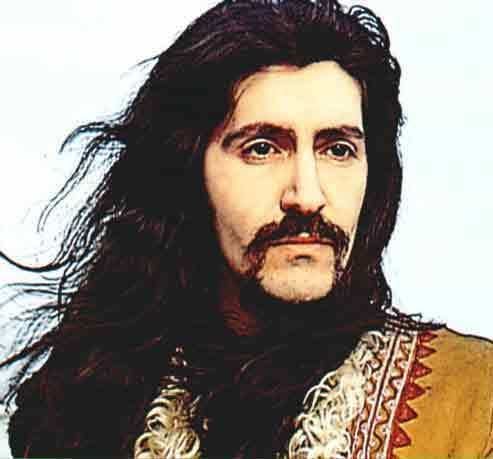
Barış Manço
 Turkey
Member of Moğollar
composer•television producer•singer
Birthday
January 2, 1943
Birth Sign
Capricorn
Birthplace
Üsküdar, Istanbul, Turkey
Age
Died at 56
Height
5 ft 10 in (178 cm)
About
Mehmet Barış Manço was a Turkish musician, singer, composer, and television personality, widely regarded as a founding father of Anatolian rock. He fused Western rock with traditional Turkish folk melodies and instruments, creating a sound that reshaped Turkish popular music. Over his career, he wrote around two hundred songs, many of which became timeless classics like Dağlar Dağlar and Gülpembe. His albums sold millions, and his television show 7’den 77’ye made him a household name across generations.
Manço’s distinctive look, long hair, a full beard, and oversized rings, made him an unmistakable cultural icon. He was more than a musician; he was a storyteller, a traveler, and a bridge between East and West. His work earned him the title of State Artist of Turkey in 1998, one of the country’s highest cultural honors. Even after his death in 1999, his music continues to be streamed, covered, and celebrated. He remains one of Turkey’s most beloved figures, with a legacy that spans music, television, and national identity.
Early Life & Background
Barış Manço grew up in Üsküdar, Istanbul, the second son of İsmail Hakkı Manço, a businessman, and Rikkat Uyanık, a housewife. He picked up the mandolin at age seven and switched to guitar at ten. His older brother Savaş and younger brother Doğan remember him constantly humming melodies around the house.
He attended Kadıköy İlkokulu for primary school, then spent a short time at Galatasaray High School before transferring to Şişli Terakki Lisesi, where he graduated. In the late 1950s, he formed his first band, Kafadarlar, playing covers of Elvis Presley and Chuck Berry at school events. In 1962, he moved to Paris to study art and architecture, but the city’s nightlife pulled him toward music. He played in small clubs, absorbing jazz and rock influences, and met other Turkish expat musicians. That Parisian sojourn ended in 1967 when he returned to Turkey and joined Moğollar, a band already making waves with their fusion style. The collaboration clicked instantly.
Career Growth
In 1967, Manço teamed up with Moğollar and released Dağlar Dağlar, a song that became an instant anthem. The track blended rock guitars with the bağlama and darbuka, defining the Anatolian rock sound. The group disbanded in 1970, and Manço launched a solo career. His 1972 album 2023 was a smash, featuring the hit Lambaya Püf De. He followed with Baris Mancho (1974) and Yeni Bir Gün (1975), cementing his status as Turkey’s biggest rock star.
In 1986, he launched the travel and music show 7’den 77’ye on TRT. The program ran for over a decade, taking him to dozens of countries where he interviewed locals and performed. It made him a household name across all ages. He continued releasing albums through the 1990s, including Sözüm Meclisten Dışarı (1992) and Müsaadenizle Çocuklar (1995). He also composed the Turkish soundtrack for The Adventures of Tintin. His death in 1999 cut short a career that had already reshaped Turkish music.
Career Timeline
Public Image & Style
Manço cultivated a signature style: long dark hair, a full beard, and multiple large ornate rings on his fingers. He often wore colorful patterned shirts and vests. Media coverage has been almost universally reverent, casting him as a national treasure and a pioneer. His fandom, known as Mançoloji, celebrates his birthday and death anniversary annually with concerts and museum visits. The official social media accounts, run by his estate, share rare photos and quotes, maintaining a tone of nostalgic reverence. Fans often gather to sing Dağlar Dağlar at events. His warmth and intellectual curiosity made him a figure who transcended music, beloved by grandparents and grandchildren alike.
Fame & Fandom
Barış Manço remains a towering figure in Turkish culture, his legacy sustained by generations of fans who revere him as 'Barış Abi.' This affectionate title reflects a bond that transcends typical celebrity worship, rooted in family-like intimacy and deep cultural respect. His influence extends globally, positioning him as the 24th most famous person in Turkey and the 97th most famous person from Turkey according to the iFANN Global Fame Rankings. These placements, which have held steady through recent cycles, underscore a consistent level of attention across media coverage, search trends, and cultural consumption worldwide.
The fanbase, though lacking a formal organizational name, maintains vibrant traditions. Adherents gather annually on his birthday and death anniversary for concerts and museum visits, keeping his spirit alive through shared memory rather than digital campaigns. The community honors his memory by visiting his grave, sharing tributes with the #BarışManço tag, and celebrating the enduring impact of his music. Even after his passing in 1999, the connection persists; his son Doğukan Manço's humanitarian efforts in earthquake zones further strengthened this intergenerational bond. Occasional reunions of former bandmates and televised retrospectives serve as touchstones for these rituals, proving that his story continues to resonate without needing modern marketing machinery.
Interesting Facts and Legends
Barış Manço was a licensed pilot who frequently flew his own small plane to concert venues, showcasing a flair for adventure that matched his musical boldness. He amassed a collection of over 200 antique clocks and watches starting in the 1970s and spoke Turkish, English, French, Italian, and Spanish with fluency. His distinctive appearance, featuring long hair, a full beard, and large ornate rings, was a deliberate choice to stand out on television. He wrote the classic song "Gülpembe" as a tribute to his grandmother and served as a UNICEF Goodwill Ambassador for Turkey during the 1980s. His music featured in the 2017 film "The Ottoman Lieutenant." A legendary story from his early career involves the band Moğollar traveling 2,640 kilometers from Liège, Belgium, to Istanbul via Sofia, Bulgaria, a journey that became part of the group's lore. Fans also recount the brief but impactful "MançoMongol" era, where Manço and Moğollar merged for only three songs yet created a pivotal moment in Anatolian rock history. Another vivid tale from his touring days describes a life-threatening incident in Kütahya, where conservative locals threatened him with dynamite due to his unconventional long hair. This event underscores the friction between the emerging rock scene and traditional norms of the time. Annual commemorations continue to honor his life, reinforcing his place as a foundational figure in Turkish music.
Notable Quotes
“Müzik, insanların birbirini anlamasının en kısa yoludur.”
“Ben bir Anadolu rockçısıyım. Benim köklerim bu topraklarda.”
“7’den 77’ye herkesin kalbine girmek istedim.”
Family & Personal Life
Manço’s father, İsmail Hakkı Manço, was a businessman, and his mother, Rikkat Uyanık, managed the household. He had two brothers: Savaş (older) and Doğan (younger). He married Lale Çağlar in 1972; she became his lifelong partner and manager. They had two sons: Doğukan, born in 1979, and Batıkan, born in 1981. The family lived in Moda, Istanbul. After his death, Lale has overseen his estate and the Barış Manço House Museum.
Notable Connections
Manço collaborated closely with Moğollar bandmates Cahit Berkay, Engin Yörükoğlu, and Ayzer Danga. His frequent musical collaborators included Mazhar Alanson (of MFÖ), Fikret Kızılok, and Selda Bağcan. His wife Lale Manço managed his career and later his estate.
Relationships & Dating History
Barış Manço married Lale Çağlar in 1972 after meeting through mutual friends in the Istanbul music scene. Lale was a fan of his music before they met. She became his wife, manager, and the mother of his two sons, Doğukan and Batıkan. Their marriage was stable and private, with no public reports of affairs or separations. Manço had no other known romantic relationships. He remained married to Lale until his death in 1999. As of 2026, Lale Manço is his surviving spouse and continues to manage his legacy.
- MarriedLale Manço1972 - 1999Met through mutual friends; she became his wife and manager.
Death & Aftermath
Died
February 1, 1999 (aged 56)
Death Place
Istanbul, Turkey
Cause of Death
Myocardial infarction (heart attack)
Just days before the scheduled release of his compilation album Mançoloji, which was intended to celebrate forty years in the music industry, Barış Manço collapsed in Istanbul. The renowned musician and television host passed away on February 1, 1999, at the age of fifty-six from a myocardial infarction, a cause confirmed by hospital statements. His death triggered an immediate wave of mourning across Turkey, where he was recognized as a cultural pillar rather than merely a pop star. Tributes poured in from cultural institutions and media outlets, while fans organized annual vigils around the dates of his birth and death to honor his legacy. A monumental street art mural unveiled in Liège, Belgium, in May 2024 acknowledged his status as a cultural ambassador, noting that his family were among the first Turkish families to arrive in that country decades prior.
In Baku, the Yunus Emre Institute held a commemorative event in 2025 dedicated to his memory, further cementing his international reach. His funeral was a private affair held shortly after his passing in Istanbul, though the specific cemetery remains unconfirmed in public records. Posthumous recognition has been extensive, including a Google Doodle for his seventieth birthday and a surge in streaming numbers that now sees him with over twenty million monthly listeners on YouTube Music. Contemporary artists like Tame Impala have cited his work as inspiration for their own albums, ensuring his musical influence persists long after his final broadcast.
Net Worth (Estate Value)
$12 Million
iFANN Editorial Team estimate
Per iFANN's editorial analysis, the estate of Barış Manço is valued at $12 Million as of 2026. The primary revenue streams include royalties from his catalog of roughly 200 songs, which generate consistent income through streaming, radio play, television usage, and film licensing. The Barış Manço House Museum in Moda draws thousands of visitors each year, contributing significantly through admission fees and gift shop sales. Additional earnings come from merchandise such as T-shirts and vinyl reissues. The iconic television show 7'den 77'ye continues to produce licensing fees for rebroadcasts and clip usage. Managed by his widow, Lale Manço, and sons Doğukan and Batıkan, the estate saw a boost in annual income following the release of a posthumous live album in 2024. Overall, the estate earns an estimated $500,000 per year.
Awards Won (6)
Manço won multiple Golden Butterfly Awards for Best Male Artist, the TRT Golden Microphone Award, and a Turkish Ministry of Culture Special Award for lifetime achievement. He was named State Artist of Turkey in 1998.
1998 · Lifetime Achievement
1995 · Best Male Artist
1990 · Best Male Artist
1985 · Best Male Artist
Known For
Dağlar Dağlar
1967 · Singer-songwriter
2023
1972 · Album
7’den 77’ye
1986 · Host and producer
Keywords
Quick Facts
- Profession
- composer, television producer, singer
- Born
- January 2, 1943
- Birthplace
- Üsküdar, Istanbul, Turkey
- Died
- February 1, 1999
- Death Place
- Kadıköy, Istanbul, Turkey
- Gender
- Male
- Birth Sign
- Capricorn
Personal Details
- Full Name
- Mehmet Barış Manço
- Height
- 5 ft 10 in (178 cm)
- Spouse
- Lale Manço
- Children
- Doğukan Manço (son), Batıkan Manço (son)
- Education
- Attended Galatasaray High School, graduated from Şişli Terakki Lisesi; studied art and architecture in Paris
Frequently Asked Questions
How old was Barış Manço when he died?
What is Barış Manço's net worth in 2026?
Who was Barış Manço's wife?
What is Barış Manço best known for?
Is Barış Manço still active in 2026?
Join the community
fans discussing