Bank of England
 India
India"The Old Lady of Threadneedle Street"
About
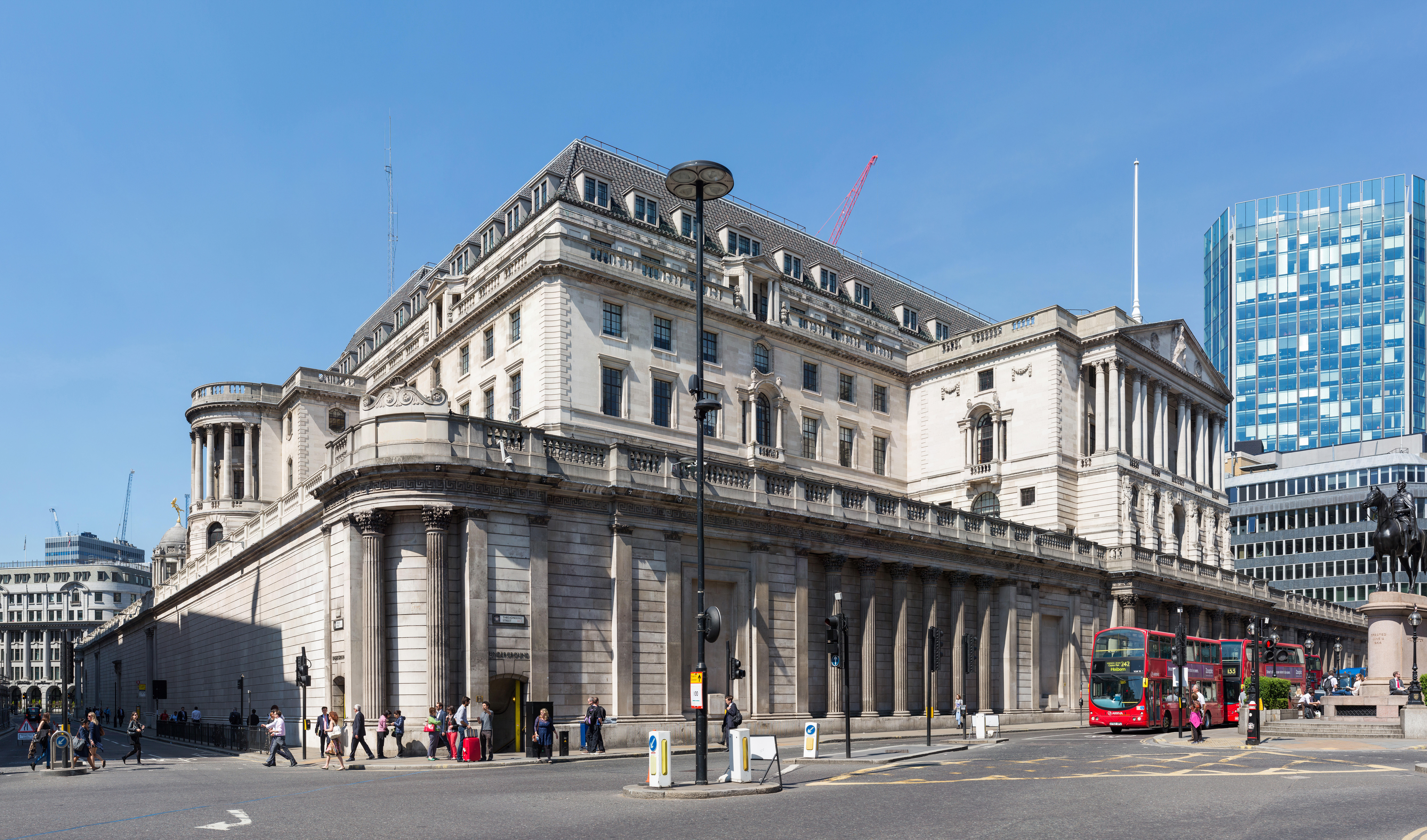
The Bank of England opened its doors on July 27, 1694, inside the Mercers' Hall in Cheapside. A royal charter from King William III and Queen Mary II had just been signed, creating a bank that would lend the government £1.2 million to fund war against France. The scheme was the brainchild of Scottish financier William Paterson, pushed through Parliament by Charles Montagu, then Chancellor of the Exchequer. Within forty years, the bank had outgrown its rented hall and moved to Threadneedle Street, where a windowless stone curtain wall designed by Sir John Soane would later earn it the nickname "The Old Lady of Threadneedle Street."
For 252 years, the bank was privately owned by stockholders, collecting dividends from its government lending and note-issuing business. That changed in 1946, when the postwar Labour government nationalized it. Half a century later, in 1998, the bank gained operational independence over monetary policy, meaning the Chancellor could no longer dictate interest rates. Today it is a public body wholly owned by the Treasury Solicitor, tasked with a single inflation target of 2%.
The bank does not serve consumers. Its core functions include setting the Bank Rate through the Monetary Policy Committee, supervising banks and insurers via the Prudential Regulation Authority, printing all Bank of England notes, managing the UK's gold and foreign exchange reserves, and operating the Real-Time Gross Settlement system that clears billions in interbank payments daily. It also runs the Bank of England Museum at its London headquarters, free to the public, and publishes quarterly Monetary Policy Reports and Financial Stability Reports.
Products & Sub-brands
Frequently Asked Questions
Who owns the Bank of England?
Who is the CEO of the Bank of England?
How much is the Bank of England worth?
Bank of England vs Federal Reserve: What's the difference?
Is the Bank of England still in business?
Keywords
Company Info
- Founded
- July 27, 1694
- Founder
- Charles Montagu, 1st Earl of Halifax
- CEO
- Andrew Bailey
- Headquarters
- Threadneedle Street, London EC2R 8AH, United Kingdom
- Industry
- Central banking
- Parent Company
- Government of the United Kingdom
- Governor
- Andrew Bailey
- Number of employees
- Approximately 4,000
- Total assets
- £600 billion (2023)
Official Website
www.bankofengland.co.uk/
Join the community
fans discussing