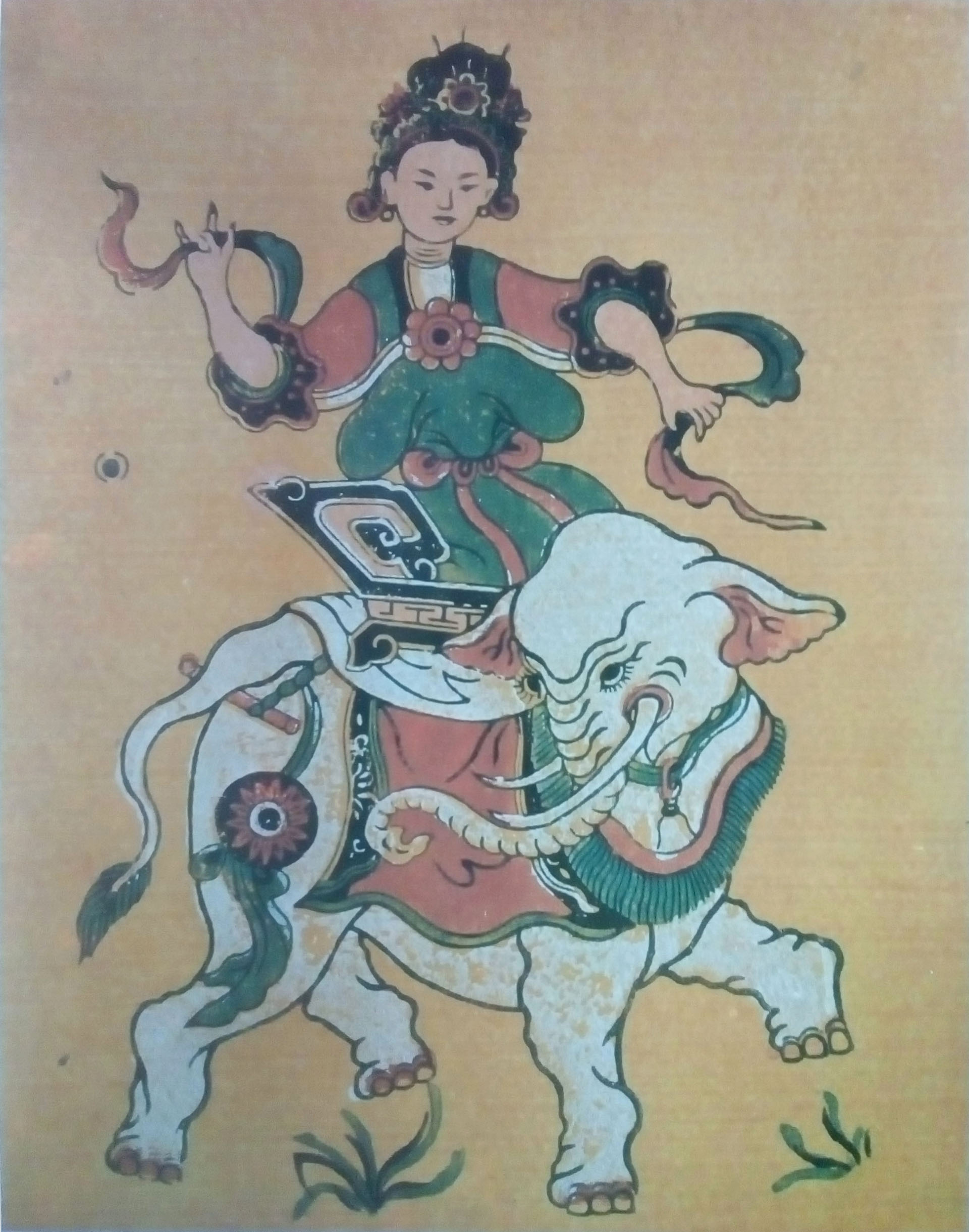
Bà Triệu
 Vietnam
Also known as: Lady Triệu, Triệu Ẩu, Triệu Thị Trinh, Triệu Trinh Nương
Birthday
October 2, 225
Birth Sign
Libra
Birthplace
Yên Định District, Jiuzhen, Jiaozhou (now Thanh Hóa Province, Vietnam)
Age
Died at 22
About
Bà Triệu, also known as Lady Triệu, was a Vietnamese warrior and rebel leader who fought against the Chinese Eastern Wu dynasty in the 3rd century. Born in 225 AD in what is now Thanh Hóa Province, she led a significant uprising in 248 AD, rallying forces to resist foreign rule. Her fierce declaration, "I want to ride storms, kill orcas in the open sea, drive out the aggressors, reconquer the country and undo the ties of serfdom, not to bend my back to be the concubine of whatever man," captures her defiance and refusal to submit. Though her rebellion was ultimately suppressed, she became a lasting symbol of Vietnamese independence and women's strength. Today, she is honored as a national heroine, with her story taught in schools and her image preserved in traditional Đông Hồ folk paintings.
Early Life & Background
Bà Triệu was born in 225 AD in the mountainous Yên Định District of Jiuzhen commandery, Jiaozhou, an area now part of Thanh Hóa Province. She was orphaned at an early age and raised by her brother, a local military commander under the Eastern Wu administration. Her brother's wife reportedly treated her harshly, but Bà Triệu developed extraordinary physical prowess, becoming skilled in martial arts and capable of riding elephants into battle. Growing up under Chinese domination fueled her nationalist sentiment, and she urged her brother to rebel against the Eastern Wu. When he hesitated, she took up the cause herself, rallying forces and preparing for an uprising that would define her legacy.
Career Growth
Around 248 AD, Bà Triệu led a major rebellion against the Eastern Wu dynasty, commanding a substantial force and engaging in military campaigns. Her uprising, though ultimately unsuccessful in permanently expelling the Eastern Wu, became a vital chapter in Vietnam's long struggle for self-determination. Her famous quote, rejecting the role of concubine, encapsulated her determination and has resonated through generations. Despite her death in 248 AD, she achieved symbolic victory as a lasting icon of resistance, honored with the title Lệ Hải Bà Vương, meaning "beautiful sea's lady king." Her story parallels that of the Trưng Sisters, who led an earlier rebellion in 40 AD, and she is consistently listed among the foremost female military leaders in Vietnamese history.
Career Timeline
Public Image & Style
In Vietnamese iconography, Bà Triệu is typically depicted as a warrior woman riding an elephant, often wearing armour and wielding weapons. Đông Hồ paintings show her as a powerful, formidable figure. Vietnamese national history portrays her as a heroic patriot and feminist icon ahead of her time. Her story is taught in schools as an exemplar of resistance against foreign domination and of women's strength. She is reverently referred to as "Bà Triệu" or "Lệ Hải Bà Vương," and her attributed burial site on Tùng Mountain in Thanh Hóa Province is a site of local veneration.
Fame & Fandom
There is no formal fandom or organized fanbase dedicated to Bà Triệu, as she was a historical military leader who died nearly two millennia ago rather than a modern celebrity. Her legacy is sustained through state-sponsored education, cultural monuments, and civic reverence in Vietnam, with her image appearing in educational materials and strategy games like Civilization VI, though these represent historical appreciation rather than an active fan community. Despite the absence of a contemporary following, her status as a national icon remains robust within global records of historical figures. According to the iFANN Global Fame Rankings, Bà Triệu holds the position of the 46th most famous person in Vietnam, a placement that has held steady from the previous cycle. She is further recognized as the 41st most famous person from Vietnam and ranks as the 95th most famous person in Southeast Asia. These rankings reflect her enduring presence in regional history and media coverage across the globe.
Interesting Facts and Legends
Bà Triệu's name translates to Lady Triệu or Aunt Triệu, and she stands as one of the rare female military leaders in recorded Vietnamese history to command a major uprising. Her narrative is immortalized in Đông Hồ folk paintings, which depict her as a formidable warrior woman riding an elephant. The circumstances of her death in 248 AD remain a subject of debate, with some accounts suggesting she fell in battle while others claim she committed suicide to avoid capture. A widely retold legend attributes the declaration, I want to ride the wind, blow away the clouds, kill the dragons, and rid the country of invaders, to her, serving as a powerful symbol of defiance against foreign domination. Historical records describe her as tall, beautiful, and skilled in martial arts, leading a rebellion alongside her brother Triệu Quốc Đạt that initially succeeded before being suppressed by reinforcements. In modern times, her legacy persists through infrastructure projects, such as the Ba Trieu road expansion in Hue, and her inclusion as a playable leader in the video game Civilization VI.
Notable Quotes
“I want to ride storms, kill orcas in the open sea, drive out the aggressors, reconquer the country and undo the ties of serfdom, not to bend my back to be the concubine of whatever man.”
Family & Personal Life
Bà Triệu was orphaned at an early age and raised by her brother, a local military commander under the Eastern Wu administration. Her brother's wife reportedly treated her harshly. No records exist of her having a husband or children, consistent with her famous declaration against being "the concubine of whatever man." Her family background shaped her fierce nationalist sentiment and desire for independence.
Notable Connections
Relationships & Dating History
Bà Triệu was never married and had no recorded romantic relationships. Her famous declaration explicitly rejected the role of concubine or wife to any man. Historical accounts portray her as unmarried and childless, with her life devoted entirely to the cause of Vietnamese independence. As of 2026, she is deceased.
Death & Aftermath
Died
April 4, 248 (aged 22)
Death Place
Quan Yên, Cửu Chân (now Hà Trung District, Thanh Hóa Province), Vietnam
Cause of Death
Combat wounds and voluntary suicide
In the mountainous region of Quan Yên within the district of Cửu Chân, now part of modern-day Hà Trung District in Thanh Hóa Province, Bà Triệu led her final stand against the superior forces of the Eastern Wu general Lục Dận. Historical chronicles such as the Đại Việt sử ký toàn thư record that after her army was surrounded and defeated, she chose to end her life rather than face capture, a decision rooted in the tradition of preserving honor over submission to foreign rule. While the specific method varies between accounts describing ritual suicide by drowning or self-inflicted wounds, the consensus remains that her death resulted from combat circumstances and voluntary action to avoid dishonor.
Specific details regarding a funeral or burial location were lost to the chaos of the occupation, though local tradition suggests she was interred near the site of her death before the area eventually became a place of worship. In the centuries since, her legacy has been cemented through the construction of the Bà Triệu Temple in Hà Trung and the naming of streets, schools, and parks across Vietnam, while modern culture has further honored her status as a national hero through her inclusion as a playable leader in the video game Civilization VI.
Net Worth (Estate Value)
$0
iFANN Editorial Team estimate
iFANN currently estimates the net worth of Bà Triệu at $0. As a historical figure who passed away in 248 AD, she possessed no personal estate in the modern sense, nor are there any posthumous revenue streams associated with her life. Her value is entirely cultural and historical, deriving from her role as a symbol of resistance and independence rather than financial accumulation. No commercial ventures or intellectual property rights generate income for her legacy today.
Awards & Accolades
View 3 records, honours and achievementsKnown For
Uprising against Eastern Wu
248 · Leader
Keywords
Sources
Quick Facts
- Profession
- Warrior and rebel leader
- Born
- October 2, 225
- Birthplace
- Yên Định District, Jiuzhen, Jiaozhou (now Thanh Hóa Province, Vietnam)
- Died
- April 4, 248
- Death Place
- Hậu Lộc District, Jiuzhen (now Thanh Hóa Province)
- Gender
- Female
- Birth Sign
- Libra
Frequently Asked Questions
Who is Bà Triệu?
What year was Bà Triệu born?
Did Bà Triệu have a husband?
What is Bà Triệu's famous quote?
Which invaders did Bà Triệu fight against?
Similar People
Join the community
fans discussing