B. Traven
 Mexico
Also known as: Ret Marut, Hal Croves, Hermann Albert Otto Maximilian Feige
Birthday
October 9, 1882
Birth Sign
Libra
Birthplace
Świebodzin, Poland (then Schwiebus, Germany)
Age
Died at 86
About
B. Traven was a novelist whose true identity remains one of the great literary mysteries of the 20th century. Born around October 9, 1882, and dying on March 26, 1969, in Mexico City, he wrote powerful stories about injustice and exploitation, often set in Mexico. His most famous work, The Treasure of the Sierra Madre, became a classic, especially after John Huston's 1949 film adaptation won three Academy Awards. Over 30 million copies of his books have sold worldwide in 30 languages.
Traven deliberately shrouded his past in secrecy, using multiple aliases and refusing to reveal his origins. He lived in Mexico from 1924 until his death, and his writing is marked by stark realism and a deep empathy for the oppressed. His legacy as the "famous unknown" continues to intrigue readers and scholars alike.
Early Life & Background
Before he became B. Traven, he was known in Germany as Ret Marut, a stage actor and anarchist editor. He published the anarchist newspaper Der Ziegelbrenner (The Brickburner) and participated in the Bavarian Council Republic of 1919–1920. When that republic was crushed, he narrowly escaped execution and fled Germany, beginning a life of deliberate anonymity.
He arrived in Mexico in 1924. In 1923, while in London, he was arrested as an unregistered alien and gave his name as Hermann Albert Otto Maximilian Feige, born February 23, 1882, in Schwiebus. That identity is disputed, but it offers a rare glimpse into his pre-Mexico life. His early years in Mexico remain obscure, but he soon began writing under the name B. Traven, drawing on the country's landscapes and social tensions.
Career Growth
Traven's literary career took off in Mexico. He published The Death Ship in 1926 and The Treasure of the Sierra Madre in 1927. The latter, a tale of greed and betrayal among gold prospectors, became his signature work. Its 1949 film adaptation, directed by John Huston, won three Oscars, catapulting Traven's name to global fame, though he himself remained hidden.
He continued writing throughout the 1930s and 1940s, producing novels like The General of the Dead Army and numerous short stories. In 1960, the film Macario, based on one of his stories, was nominated for the Palme d'Or at Cannes and became the first Mexican film nominated for the Best Foreign Language Film Oscar. His works have never gone out of print.
Career Timeline
Public Image & Style
B. Traven cultivated an image of being the "famous unknown." He deliberately avoided public attention, never giving interviews or allowing photographs. This anonymity made him an enigmatic figure in literature, and his work, characterized by stark realism and social criticism, earned him a dedicated readership. Fans and scholars alike are drawn to the mystery, and his books continue to be studied for their portrayal of injustice.
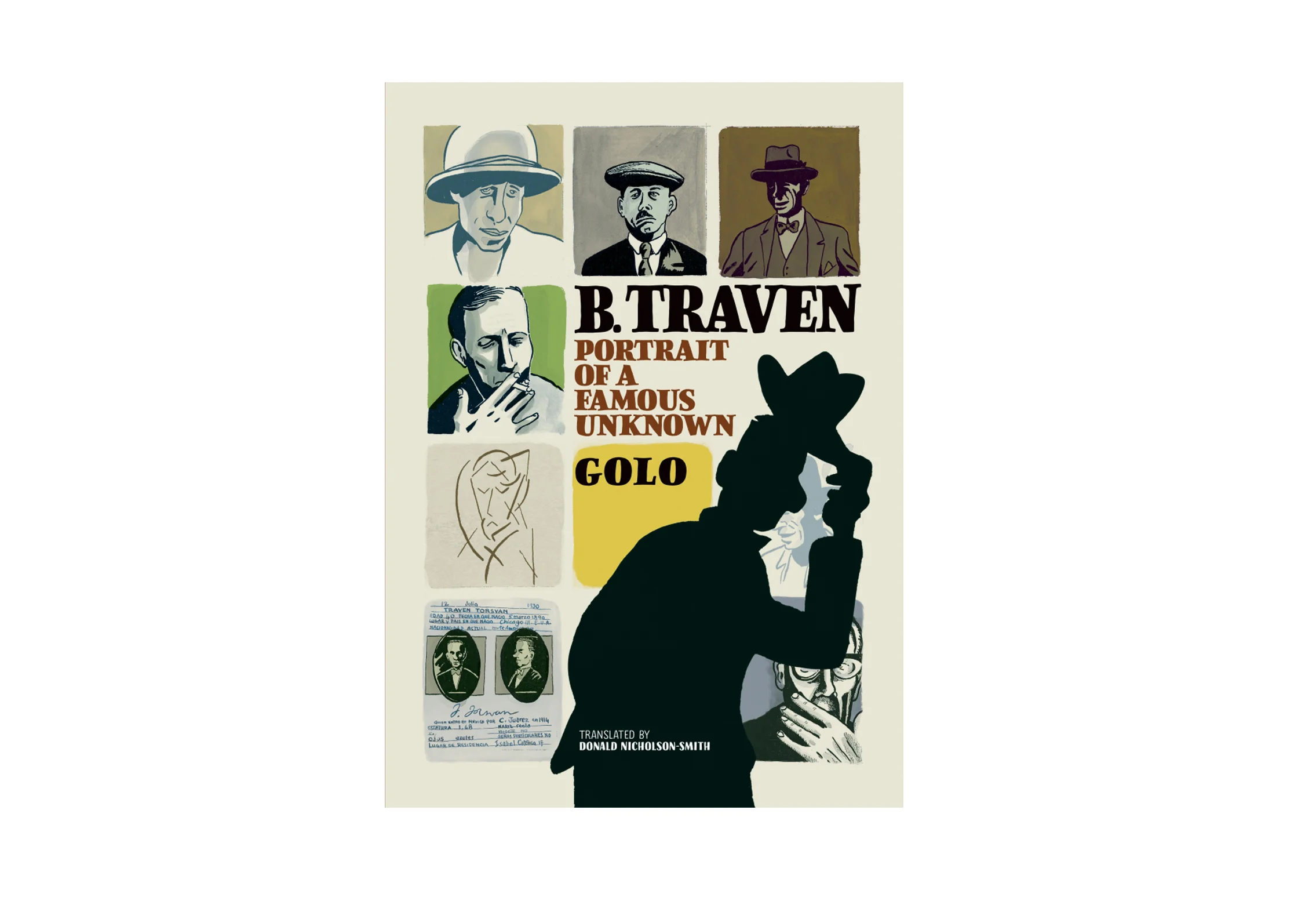
His public persona was one of a recluse, but his stories spoke loudly about the human condition. The 2024 graphic biography B. Traven: Portrait of a Famous Unknown by Golo reflects ongoing fascination with his life.
Fame & Fandom (iFAMOUS Rankings)
The story of B. Traven's audience is defined by a unique paradox: he built a massive readership while actively dismantling the very concept of celebrity that usually fuels it. Unlike modern icons who rely on social media engagement or public appearances, Traven cultivated a devoted following through the sheer power of his texts alone. His work, particularly The Treasure of the Sierra Madre and The Death Ship, resonated deeply with anarchists, literary scholars, and general readers seeking stark realism and social critique. This was not a fanbase driven by adoration of a personality, but by a shared appreciation for his refusal to be known. He famously insisted that the creative person should have no other identity than their work, a stance that effectively prevented the formation of traditional rituals, birthday campaigns, or organized fan clubs. There is no official name for his followers, nor are there documented fan-funded projects or viral moments associated with his life; the interaction remained entirely mediated through the pages of his books. The mystery of his identity, once thought to be a German anarchist named Ret Marut, only added to the allure without creating a cult of personality in the conventional sense. While adaptations like John Huston's 1949 film brought his stories to global audiences, Traven himself never appeared on screen or gave interviews, ensuring his legacy remained rooted in the text rather than the man. iFANN has evaluated this enduring figure, yet the Global Fame Engine currently determines that B. Traven does not hold a placement in the published rankings, including the Global Top 1,000 or any Top-100 scope list.
Interesting Facts and Legends
B. Traven lived a life shrouded in deliberate secrecy, using over a dozen aliases throughout his career, including the notable monikers Ret Marut and Hal Croves. This obsession with identity permeated his writing, which often confronted societal truths with vivid descriptions and unflinching realism. A legendary moment in literary lore occurred when director John Huston met a man named Hal Croves in Mexico while scouting locations for a film adaptation; Huston suspected they were the same person, a theory that later proved true. Another enduring story involves the Hollywood deception, where Traven sold over 30 million books under a fake name and successfully navigated the film industry without ever revealing his face or voice. In June 1990, following his death, his widow Greta Keller revealed details confirming his identity as Ret Marut, a German Jew who fled to Mexico in 1924. Despite this revelation, the myth of his anonymity persists as a defining feature of his legacy. He avoided any cult of personality, refusing photographs and interviews, which cemented his status as the ultimate embodiment of the 'death of the author' in literary theory. The mystery surrounding his origins likely boosted his book sales, adding to his mystique long after his passing.
Notable Quotes
“Let me be clear: The biography of a creative person has no significance. If they cannot be recognized through their works then either they are worthless or their works are worthless.”
Family & Personal Life
Very little is known about Traven's family. He was reportedly illegitimate and of Jewish heritage, which may have contributed to his obsession with identity. His widow, Rosa Elena Luján, confirmed after his death that he and Ret Marut were the same person. No children are mentioned in available sources. He lived in Mexico City with Luján, and she managed his literary estate after he passed.
Notable Connections
B. Traven is closely associated with his alias Ret Marut, under which he was active in Germany. John Huston, who directed the film adaptation of The Treasure of the Sierra Madre, identified Traven as the man calling himself Hal Croves. His widow, Rosa Elena Luján, confirmed his identity after his death. Cinematographer Gabriel Figueroa, a friend, worked on Macario. The graphic biographer Golo and translator Donald Nicholson-Smith produced the 2024 book B. Traven: Portrait of a Famous Unknown.
Relationships & Dating History
Little is known about B. Traven's romantic life due to his intense privacy. He married Rosa Elena Luján, who was his widow and later confirmed his identity as Ret Marut. They were together in Mexico City, and she managed his estate after his death. No other relationships are documented.
- MarriedRosa Elena Luján? - 1969Traven's widow, who confirmed his identity as Ret Marut after his death.
Death & Aftermath
Died
March 26, 1969 (aged 86)
Death Place
Mexico City, Mexico
Cause of Death
Unknown
The literary world marked the end of B. Traven's enigmatic journey with a surge in sales of his novels, particularly The Treasure of the Sierra Madre and The Death Ship, as publishers capitalized on the enduring mystery of the author following the announcement of his passing. Tributes remained confined to quiet circles within literature, focusing on his work rather than the man. His final days were spent in Mexico City after residing for decades in the coastal town of Huatulco, where he lived under a strict policy of secrecy that extended to his last hours. A private funeral service was held without public details regarding the burial location, though it is widely believed his remains were interred in Mexico near his home. Decades later, identity revelations emerged when documents provided by his widow suggested he was Hermann Albert Otto Maximilian Feige, born in Swiebodzin, Germany, in 1882, contradicting earlier theories about his origins. Posthumous interest has kept his legacy alive through new editions and adaptations.
Net Worth (Estate Value)
$10 Million
iFANN Editorial Team estimate
As B. Traven died in 1969, his net worth is now tied to his estate. Research by the iFANN Editorial Team puts the total value at $10 Million. The estate continues to earn royalties from his books, which have sold over 30 million copies worldwide in 30 languages. Posthumous publications and adaptations, such as the 2024 graphic biography, keep his work in the public eye. The estate is managed by his widow's family and has seen steady income from licensing and reprints.
Awards & Accolades
View 1 records, honours and achievementsKnown For
The Treasure of the Sierra Madre
1927 · Novelist
The Death Ship
1926 · Novelist
The General of the Dead Army
1931 · Novelist
Keywords
Sources
Quick Facts
- Profession
- Novelist
- Born
- October 9, 1882
- Birthplace
- Świebodzin, Poland (then Schwiebus, Germany)
- Died
- March 26, 1969
- Death Place
- Mexico City
- Gender
- Male
- Birth Sign
- Libra
Personal Details
- Full Name
- Hermann Albert Otto Maximilian Feige (disputed)
- Spouse
- Rosa Elena Luján
Frequently Asked Questions
Who was B. Traven?
What is B. Traven best known for?
What was B. Traven's real name?
Where was B. Traven born?
Is B. Traven still alive?
Join the community
fans discussing