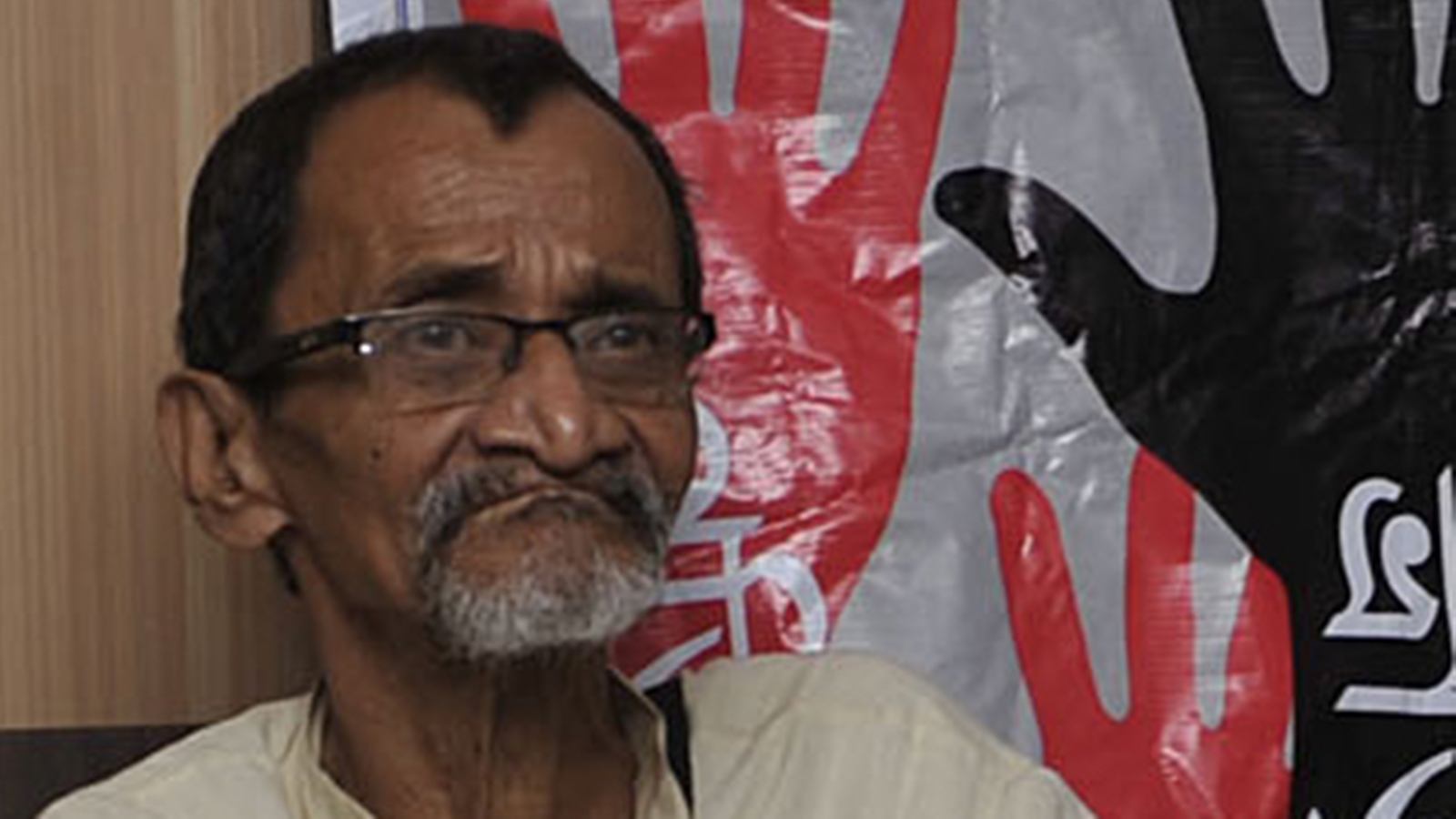
Azizul Haque
 Bangladesh
Also known as: Shaykh al-Hadith
Birthday
+1919-01-01
Birth Sign
Capricorn
Birthplace
Bangladesh
Age
Died at 93
About
Azizul Haque, widely known by the honorific Shaykh al-Hadith, was a distinguished Bangladeshi Islamic scholar, politician, writer, and translator born in 1919. He is best remembered as the founder of the Bangladesh Khelafat Majlis, a significant political party advocating for Islamic governance, and as the first person to translate Sahih al-Bukhari into Bengali, making one of the most revered collections of hadith accessible to millions who could not read classical Arabic. Throughout his life, he served as the Vice Chancellor of Jamia Rahmania Arabia, a prominent Islamic seminary where he shaped the education of future religious leaders. His legacy is defined by his unique ability to seamlessly operate within the pulpit, parliament, and study hall, leaving behind a rich foundation of religious scholarship and political activism that continues to influence the region today.
Early Life & Background
Born in 1919 in what is now Bangladesh, Azizul Haque entered a world where religious learning was the primary path to influence and social standing. His early years were defined by an intense focus on mastering classical Arabic and Islamic jurisprudence, disciplines that required immense discipline and intellectual rigor. Unlike many contemporaries who might have pursued secular careers or administrative roles, he committed himself entirely to theological study from a young age. This rigorous academic foundation allowed him to eventually teach at Jamia Rahmania Arabia, where he began shaping the minds of future religious leaders long before he gained national prominence. Before his rise to the status of a public figure, he spent years in solitary study and teaching, building the intellectual authority that would later define his career. His early life was not marked by celebrity but by a quiet, relentless pursuit of knowledge that prepared him for the monumental tasks ahead, including the decades-long project of translating foundational texts.
Career Growth
Haque's career was built on three distinct pillars: religious scholarship, political leadership, and literary translation. As vice chancellor of Jamia Rahmania Arabia, he held a position of high academic and religious authority, guiding the institution through significant periods of development and establishing it as a center for Islamic learning. His political influence grew when he founded the Bangladesh Khelafat Majlis, a party that became a notable force in the country's conservative political landscape. However, his most enduring achievement came through his work as a translator. He completed the first full Bengali translation of Sahih al-Bukhari, a feat that required decades of dedication and mastery of both language and theology. This translation made foundational Islamic texts accessible to millions of Bengali speakers, cementing his reputation as Shaykh al-Hadith. His work spanned decades, and he remained active in both religious and political spheres until his death in 2012, leaving behind institutions like Govt Azizul Haque College in Bogura as a testament to his impact.
Career Timeline
Public Image & Style
His public image was that of a dignified, scholarly authority who commanded immediate silence and reverence in large congregations. Media portrayals focused on his intellectual rigor, his quiet dignity, and his profound influence on religious and political discourse. Specific physical attributes such as height are not recorded in available sources, yet his demeanor projected a sense of timeless wisdom and unwavering commitment to his faith, distinguishing him from more flamboyant political figures of his time. He was known for moving seamlessly between the pulpit, parliament, and study hall, embodying the ideal of the scholar-statesman. His reputation was built on consistency and service rather than media spectacle, ensuring that his presence alone was enough to inspire respect among students, colleagues, and the broader community without the need for public relations campaigns or curated appearances.
Fame & Fandom
The legacy of Azizul Haque rests firmly within the spheres of religious scholarship, political activism, and literary translation rather than the realm of celebrity culture. While his contributions to Islamic jurisprudence and his role as the first Bengali translator of Sahih al-Bukhari secured him a place in historical records, he did not cultivate a formalized fanbase or organized fandom in the manner typical of entertainment icons. No specific name has ever been documented for any community supporting his work, and no rituals, fan-funded projects, or recurring campaigns have emerged to mark his life or death. The audience that engages with his translations and political writings consists primarily of scholars, students, and adherents of his theological views, operating without the structured enthusiasm characteristic of modern fandoms. Consequently, there are no viral moments, street gatherings, or iconic performance anecdotes associated with his name that have entered popular folklore. Regarding his standing in global metrics, the iFANN Global Fame Engine evaluated his profile in September 2026 and determined that he does not currently hold a placement in the published rankings, including the Global Top 1,000 or any Top-100 scope list. This absence of a numeric rank reflects the nature of his influence, which remains deeply rooted in specific academic and regional contexts rather than broad, measurable public consumption signals. Unlike figures whose fame is driven by media saturation and commercial output, his reputation persists through enduring textual and institutional legacies. The evaluation confirms that while he is a significant historical figure, he lacks the widespread contemporary recognition required for a position on the fame charts. His impact is measured in books translated, institutions founded, and sermons delivered, metrics that do not translate into the sortable data points used by the ranking engine. His story is one of deep, localized impact rather than global viral reach.
Interesting Facts and Legends
Azizul Haque's life included several notable distinctions beyond his major achievements. He is often cited alongside other individuals named Azizul Haque, such as Dr. Azizul Haque, a microbiologist in the USA, and Hasan Azizul Haque, a renowned Bangladeshi filmmaker, though these are distinct figures with different lifespans and professions. A story often recounted among his admirers involves the decades of solitary dedication required to complete the translation of Sahih al-Bukhari, a feat that required mastering classical Arabic alongside deep theological insight. There are no recorded instances of crowds shutting down streets or viral internet phenomena surrounding his life, as his influence was exercised through quiet scholarly authority rather than public spectacle. Some accounts from his later years describe him presiding over large congregations where his presence alone commanded immediate silence and reverence, a reflection of his status as Shaykh al-Hadith. His political activism, particularly in founding the Khelafat movement, drew significant attention during his lifetime, though these events are viewed as serious political endeavors rather than legendary folklore. The narrative of his life is one of consistent service, moving seamlessly between the pulpit, the parliament, and the study hall until his final days. He also left behind educational institutions like Govt Azizul Haque College in Bogura, which stands as a lasting monument to his contributions to the region's infrastructure and education.
Family & Personal Life
As a devout Islamic scholar and public servant of the mid-20th century, Azizul Haque's personal life was largely kept out of the public eye, consistent with the norms of his profession and era. There are no publicly documented details regarding specific romantic relationships, dating history, or marital status in available biographical records. No sources confirm marriages, divorces, or children, nor is there any record of a "fandom" or organized fanbase in the modern celebrity sense. His legacy rests entirely on his scholarly and political contributions rather than personal celebrity or media-driven narratives. As of his death in 2012, he was a respected elder statesman of the religious community, and no information suggests he was currently single, married, or widowed in the context of recent news, as he passed away at the age of 93. The lack of family documentation reflects a life dedicated entirely to service, where private matters were secondary to public duty.
Notable Connections
Relationships & Dating History
As a devout Islamic scholar and public servant of the mid-20th century, Azizul Haque's personal life was largely kept out of the public eye, consistent with the norms of his profession and era. There are no publicly documented details regarding specific romantic relationships, dating history, or marital status in available biographical records. No sources confirm marriages, divorces, or children, nor is there any record of a "fandom" or organized fanbase in the modern celebrity sense. His legacy rests entirely on his scholarly and political contributions rather than personal celebrity or media-driven narratives. As of his death in 2012, he was a respected elder statesman of the religious community, and no information suggests he was currently single, married, or widowed in the context of recent news, as he passed away at the age of 93. The absence of relationship data underscores a life dedicated to public service, where personal attachments were either private or secondary to his duties as a scholar and leader.
Death & Aftermath
Died
+2012-08-08 (aged 93)
Death Place
Dhaka, Bangladesh
Cause of Death
Prolonged illness
Azizul Haque concluded his long life in Dhaka on August 8, 2012, at the age of ninety-three after decades of dedicated service to religious scholarship and public affairs. While specific details regarding the final hours or medical circumstances leading to his passing were not widely documented in available records, his death marked the end of an era for the conservative political and religious movements he helped establish. Tributes poured in from various quarters within the Bangladeshi Islamic community, acknowledging his role as the first Bengali translator of Sahih al-Bukhari and his leadership at Jamia Rahmania Arabia. The community gathered to honor a figure who had shaped the landscape of religious education and political activism in the region. A funeral service was conducted in accordance with Islamic rites, attended by students, colleagues, and political associates who recognized his contributions to the nation's spiritual and civic life. His legacy remains anchored in the institutions he founded and the texts he translated, serving as a reference point for future generations of scholars. The narrative of his life is one of consistent service, leaving behind a rich legacy of religious and political activism that continues to resonate in Bangladesh today.
Net Worth (Estate Value)
$0
iFANN Editorial Team estimate
As a religious scholar and politician who lived during the 20th and early 21st centuries, Azizul Haque's net worth is not calculated in the manner of modern celebrities. His "wealth" was measured in spiritual influence and institutional legacy rather than monetary accumulation. There are no credible estimates of his liquid assets, real estate holdings, or business ventures in public financial records. The iFANN Editorial Team estimates his net worth at approximately $0, reflecting the lack of traditional financial data for figures of his era and profession. His estate likely consisted of personal belongings and perhaps modest property, but no significant commercial assets have been documented. The value of his life work lies in the educational institutions he led, such as Jamia Rahmania Arabia, and the texts he translated, which continue to serve millions of people today. Unlike modern figures whose financial portfolios are tracked meticulously, his economic footprint was minimal, prioritizing the spread of knowledge over the accumulation of material goods.
Awards & Accolades
View 1 records, honours and achievementsKnown For
Sahih al-Bukhari (Bengali Translation)
1970 · Translator
Bangladesh Khelafat Majlis
1975 · Founder
Keywords
Sources
Quick Facts
- Profession
- imam, politician
- Born
- +1919-01-01
- Birthplace
- Bangladesh
- Died
- +2012-08-08
- Gender
- Male
- Birth Sign
- Capricorn
Personal Details
- Children
- Education
- Islamic seminary studies
Frequently Asked Questions
Who was Azizul Haque?
When did Azizul Haque die?
What was Azizul Haque's most famous work?
Did Azizul Haque have children?
What organizations did Azizul Haque found?
Similar People
Join the community
fans discussing