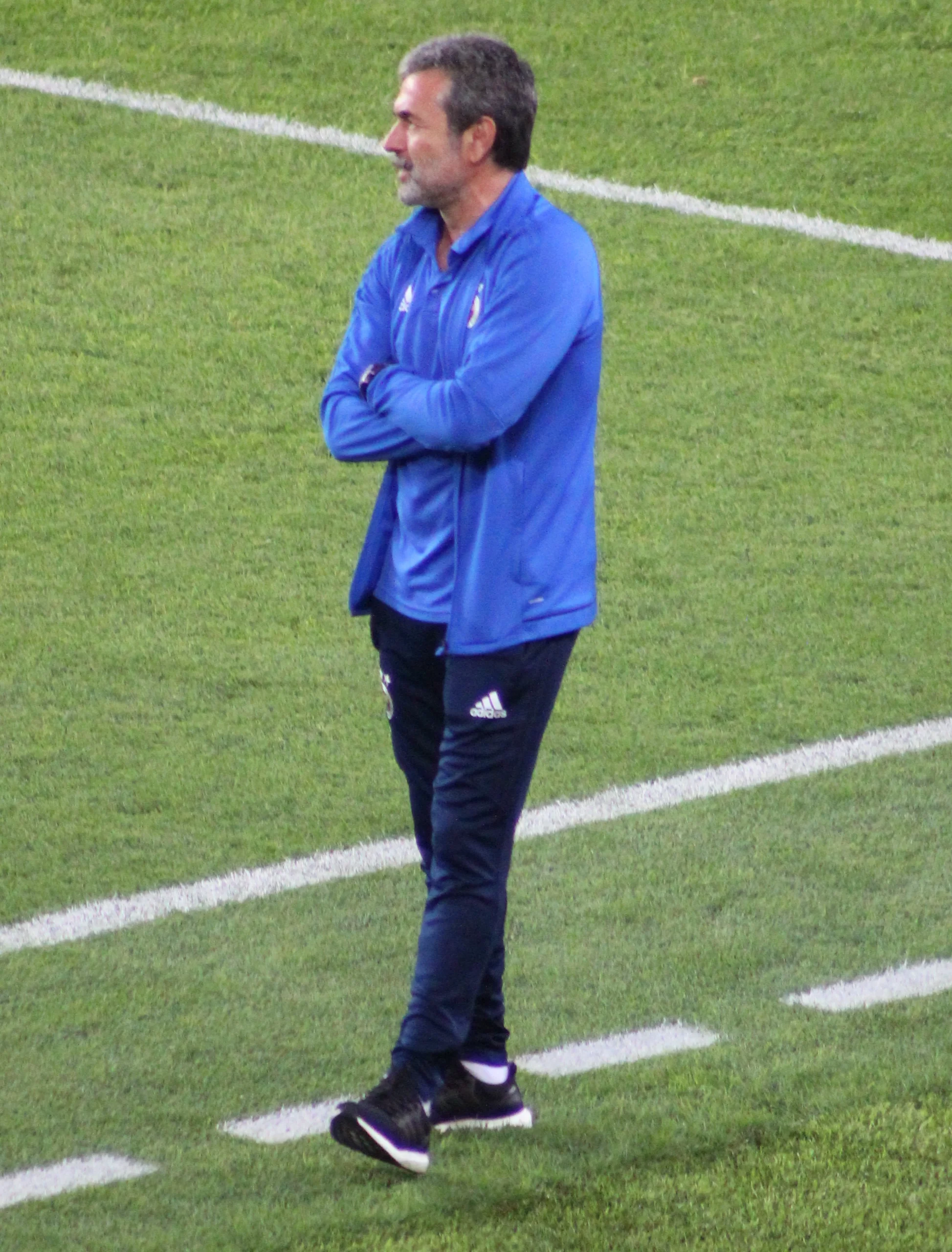
Aykut Kocaman
 Turkey
association football player•association football coach
Also known as: Aykut Hoca, The Architect
Birthday
April 5, 1965
Birth Sign
Aries
Birthplace
Sakarya Province, Turkey
Age
61 years old
Height
5 ft 8½ in (174 cm)
About
Aykut Kocaman, born on April 5, 1965, in Sakarya Province, Turkey, is a former professional footballer and one of the most iconic figures in Turkish sports history. Currently 61 years old as of 2026, he is widely celebrated for his prolific scoring record as a striker and his subsequent tenure as a head coach, particularly with Fenerbahçe SK. Standing at 174 cm (5 ft 8½ in), Kocaman is recognized for his unique technique of controlling aerial passes with his chest before unleashing powerful shots, a move so distinctive that fans named it "The Aykut." His career spans decades, transitioning from a highly decorated gymnast to a prolific scorer who became one of only five players in Süper Lig history to surpass 200 goals. As of 2026, he remains a respected voice in Turkish football, often linked with potential returns to major clubs like Fenerbahçe amid internal management changes, reflecting his enduring influence.
Kocaman's legacy is defined by his dual success as both a player and a manager. He led Fenerbahçe to a Süper Lig title in the 2010–2011 season, cementing his status as a master tactician who understands the game from both sides of the whistle. Known for his intense emotional investment and tactical discipline, he has managed several top Turkish clubs including Beşiktaş, Konyaspor, and Fenerbahçe on multiple occasions. While he is a household name in Turkey, his current work focuses on maintaining his status as a legendary figure while navigating media speculation regarding his future coaching appointments.
Early Life & Background
Kocaman's journey began in Sakarya Province, where his upbringing laid the foundation for his physical prowess. Before turning to soccer, he was a national-level gymnast who amassed an impressive 40 medals across various competitions. This rigorous training regimen instilled in him the physical discipline, agility, and core strength that would later define his playing style. The transition from the individual sport of gymnastics to the team dynamics of football occurred in his late teens, driven by a desire for competitive team play rather than individual accolades.
He started his amateur football career with Kabataş Altınmızrak in Istanbul in 1980, where his natural goal-scoring instinct quickly became evident. In 1984, he turned professional with Sakaryaspor, marking his first step into the serious world of organized football. His performances there were compelling enough to attract the attention of Turkey's biggest clubs. The pivotal moment came in 1988 when he transferred to Fenerbahçe. This move was not merely a job change; it placed him at the heart of Turkey's most passionate fanbase and set the stage for a legendary era that would see him become one of the few players to score more than 200 goals in the Süper Lig. He extended his playing career specifically to reach this milestone, demonstrating a determination that defined his early professional life.
Career Growth
Kocaman's breakthrough as a player arrived during his eight-year stint at Fenerbahçe starting in 1988. He developed a signature technique of controlling aerial passes with his chest before unleashing powerful shots, a move so distinctive that fans named it "The Aykut." His scoring prowess was unmatched in the early 1990s; he won the Süper Lig Golden Boot three consecutive times between 1993 and 1996. He retired in 2000 after stints with Istanbulspor, having played over 300 matches and scored more than 200 goals in the top flight. His trophy cabinet includes the Turkish Cup and Turkish Super Cup in 1990.
His transition to coaching saw him return to Fenerbahçe initially as an assistant in 2001 before taking the helm. In the 2010–2011 season, he led the club to the Süper Lig title, a crowning achievement that solidified his reputation as a tactical genius. His philosophy emphasized defensive structure and strict discipline. Other significant projects include managing Konyaspor in 2014, where he guided the team to a Turkish Cup final, and brief spells with Beşiktaş between 2005 and 2006. Despite facing controversies, including a high-profile sacking in 2018, his influence on Turkish football remains profound. He also received the "Coach of the Year" award in Turkey multiple times during his tenure.
Career Timeline
Public Image & Style
Media portrays Kocaman as a disciplined, tactical, and emotionally invested leader. He is often described as a "tragic hero" due to his controversial dismissal from Fenerbahçe in 2018 despite finishing as league runners-up, a moment that solidified his connection with the club's fans. His signature style involves intense pre-match rituals and a direct, sometimes confrontational approach in press conferences. He commands respect through his pragmatic nature and deep emotional investment in the teams he manages, often speaking candidly about the pressures of the game. His social media presence is active, with an Instagram account (@akutkcaman) where he shares updates on his activities and reflections on the game. He is further shaped by his role as a mentor to younger players and his reputation for maintaining strict discipline.
Fame & Fandom (iFAMOUS Rankings)
The fandom surrounding Kocaman is deeply intertwined with Fenerbahçe supporters. Fans refer to themselves simply as "Fenerbahçeliler," but Kocaman is often called "Baba" (Father) or "The Architect" within the club's culture. The fandom's loyalty to him is legendary; his 2018 sacking triggered pitch invasions and protests, demonstrating the emotional volatility of his relationship with the supporters. No formal fan campaigns exist exclusively for him outside of general club support, but his legacy thrives in the collective memory of the fanbase. Notable quotes from Kocaman reflect his pragmatic and passionate nature, such as his statement during his 2018 dismissal: "I gave everything for this shirt, and I will always carry the pain of this decision in my heart." According to the iFANN Global Fame Rankings, Aykut Kocaman holds significant standing in the broader entertainment landscape. He is currently ranked as the 71st most famous person in Turkish Drama, a position holding steady from the previous cycle.
Interesting Facts and Legends
Before becoming a football legend, Kocaman was a decorated gymnast who amassed 40 medals and achieved national recognition before turning professional in 1984. As a striker for Fenerbahçe, he became one of only five players in Süper Lig history to surpass 200 goals, renowned for controlling aerial passes with his chest before unleashing powerful shots. A defining moment in his coaching lore involves an incident where angry fans stormed the pitch following a match, highlighting the extreme stakes of his leadership. Another chapter of his story unfolds when former player Alex publicly unveiled internal locker room problems during Kocaman's struggle to stabilize a fractured squad. The most poignant element of his mythology centers on his 2018 dismissal; fans widely retell the story of how he was sacked after finishing as league runners-up, cementing his status as a tragic hero who was unfairly treated by volatile management. Associated people include former teammates like Hakan Şükür and colleagues such as Alex de Souza, whose revelations about locker room tensions during Kocaman's tenure sparked significant media debate. Legends and iconic moments surround Kocaman, particularly the "Pitch Storming" incident following his 2018 dismissal, where fans invaded the field in protest, a rare display of raw emotion in Turkish football. The story of his "chest control" goal, which bears his name, is also a staple of football folklore in Turkey. These events are well-documented and verified, forming the core of his mythos. Interesting trivia includes his early gymnastics career, which provided the core strength and agility that defined his playing style. Another lesser-known fact is that he extended his playing career specifically to reach the 200-goal milestone, a testament to his determination. In May 2026, reports indicated that the Yıldırım family camp was buzzing about bringing him back to stabilize the squad, reflecting his enduring influence in Turkish football.
Notable Quotes
“I gave everything for this shirt, and I will always carry the pain of this decision in my heart.”
“Football is a game of unity; if the house is divided, we cannot win.”
Family & Personal Life
Aykut Kocaman maintains a notably private personal life, focusing his public narrative on his professional achievements in football. There are no verified reports of engagements, divorces, or current partnerships in available databases up to 2026. While he is a household name in Turkey, he has kept his family life out of the spotlight, and no official statements or interviews have revealed intimate details about his spouse or offspring. He resides in Turkey, continuing to live a relatively low-key existence away from the constant media scrutiny that often accompanies his football career. No information regarding siblings, parents, or pets has been officially disclosed to the public, ensuring his domestic sphere remains separate from his public persona.
Notable Connections
Hakan Şükür, Alex de Souza, Fenerbahçe SK, Konyaspor, Beşiktaş
Relationships & Dating History
Public records and credible media sources do not document specific details about Aykut Kocaman's romantic history, marriages, or children. Unlike many high-profile entertainers, Kocaman has maintained a notably private personal life, focusing his public narrative on his professional achievements in football. There are no verified reports of engagements, divorces, or current partnerships in available databases up to 2026. Consequently, it is impossible to list a chronological dating history or confirm the status of any current partner. While he is a household name in Turkey, he has kept his family life out of the spotlight, and no official statements or interviews have revealed intimate details about his spouse or offspring. As of 2026, his relationship status remains unpublicized, though he is presumed to be married or living privately, consistent with the lifestyle of many traditional Turkish sports icons who prioritize privacy. His focus has remained strictly on his professional career, avoiding the personal disclosures common among other public figures.
Salary, Net Worth In 2026
$8 Million
iFANN Editorial Team estimate
As of 2026, iFANN Editorial Team research estimates Aykut Kocaman's net worth at approximately $8 million. This figure reflects his long career as a player and high-profile coaching roles in Turkey. While exact figures are rarely disclosed for Turkish coaches compared to Western counterparts, financial analyses suggest his wealth stems from salary contracts, endorsement deals with Turkish sportswear brands, and real estate investments. Estimates place his net worth between $5 million and $8 million USD, derived from his peak earnings as a player in the 1990s and his substantial coaching salaries, particularly during his second stint at Fenerbahçe. Specific breakdowns indicate that his largest income source was his tenure as Fenerbahçe manager, where he commanded one of the highest coaching salaries in the country. There are no major business ventures or production companies publicly attributed to him, distinguishing his wealth accumulation from entertainment moguls.
Awards Won (6)
Kocaman's accolades are primarily sporting rather than cinematic or musical. He won the Süper Lig Top Scorer award (Altın Ayakkabı) three consecutive times between 1994 and 1996. He was part of the Fenerbahçe squad that won the Turkish Cup in 1990 and the Turkish Super Cup in 1990. As a coach, his crowning achievement was winning the 2010–2011 Süper Lig title with Fenerbahçe. He also received the "Coach of the Year" award in Turkey multiple times during his tenure.
1996 · Individual Award
Fenerbahçe
1995 · Individual Award
Fenerbahçe
1994 · Individual Award
Fenerbahçe
1990 · Team Trophy
Fenerbahçe
Known For
Fenerbahçe S.K.
1988 · Player
Fenerbahçe S.K.
2010 · Coach
Konyaspor
2014 · Coach
Keywords
Sources
Quick Facts
- Profession
- association football player, association football coach
- Born
- April 5, 1965
- Birthplace
- Sakarya Province
- Gender
- Male
- Birth Sign
- Aries
Personal Details
- Full Name
- Aykut Kocaman
- Height
- 5 ft 8½ in (174 cm)
- Children
Frequently Asked Questions
How many goals did Aykut Kocaman score in the Süper Lig?
Why was Aykut Kocaman sacked from Fenerbahçe in 2018?
What is Aykut Kocaman's nickname among fans?
Did Aykut Kocaman play any other sport before football?
Is Aykut Kocaman currently coaching?
Social Media
Similar People
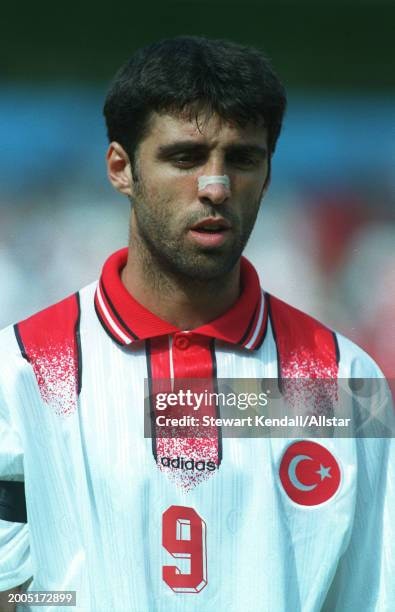
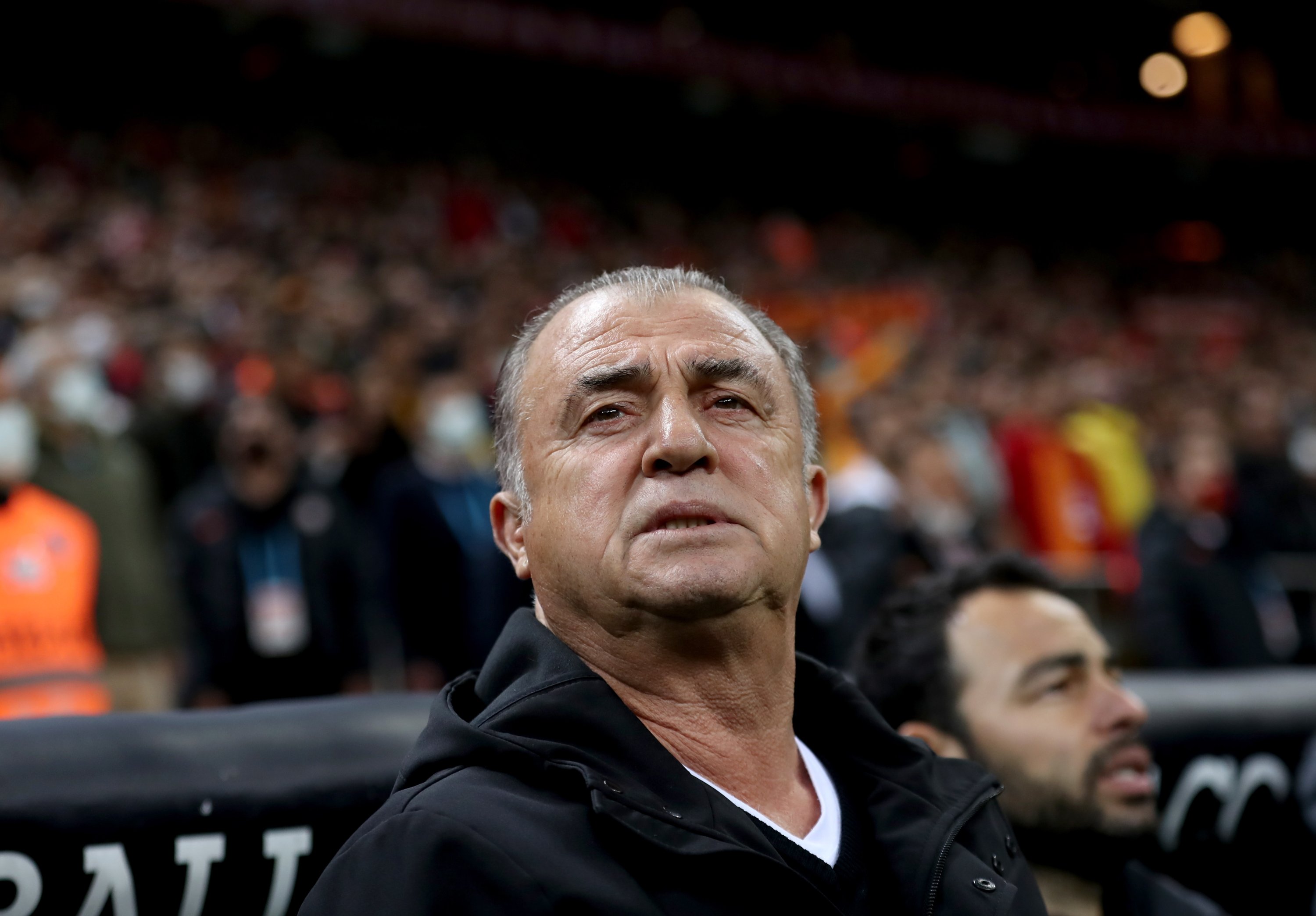
Join the community
fans discussing