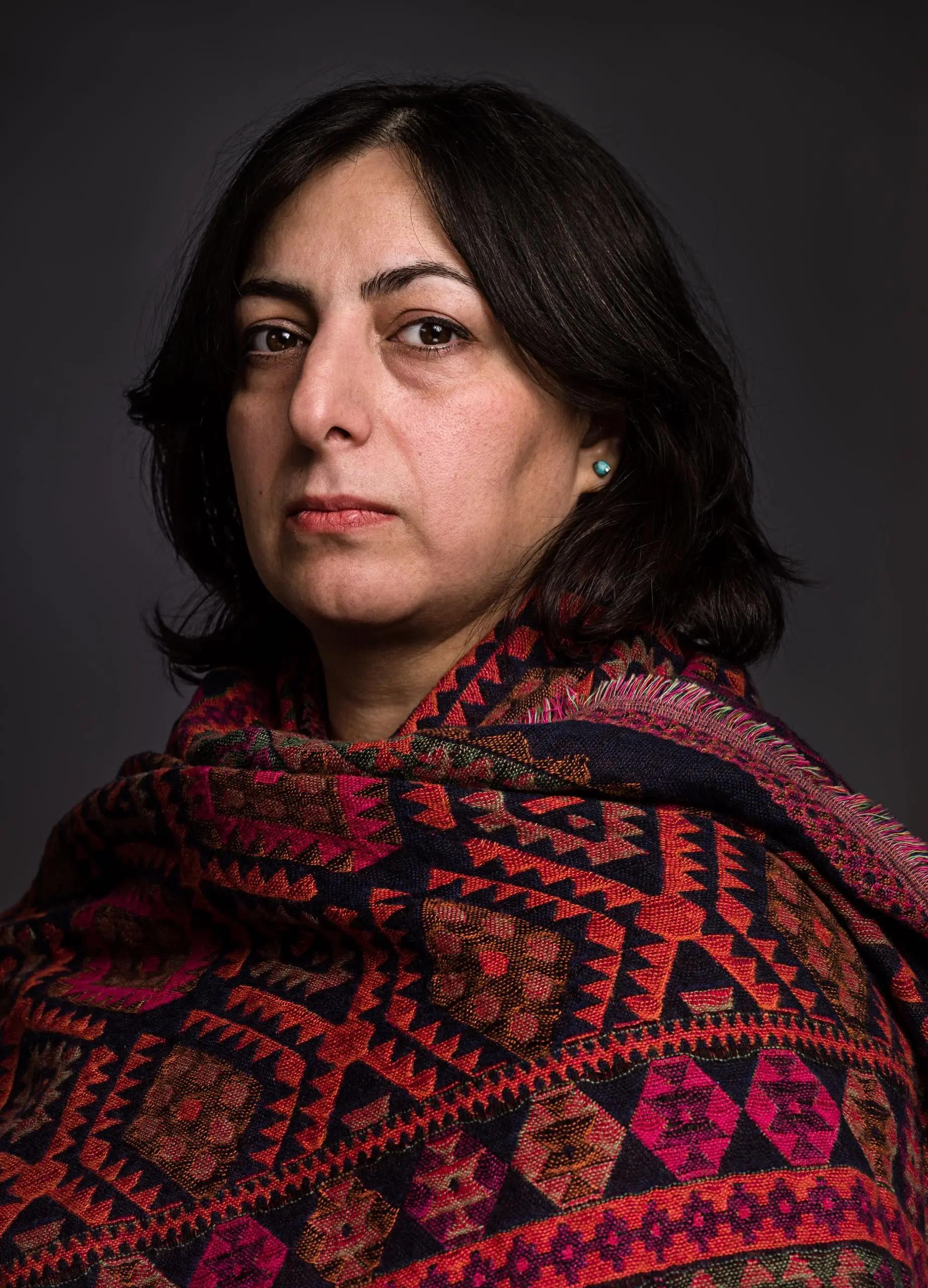
Atefeh Sahaaleh
 Iran
IranAlso known as: Atefeh Rajabi Sahaaleh, Atefah Sahaaleh, Atefeh Sahaleh
Birthday
September 21, 1987
Birth Sign
Virgo
Birthplace
Neka, Mazandaran Province, Iran
Age
Died at 16
About
Atefeh Rajabi Sahaaleh was an Iranian girl whose short life ended in a public execution that shocked the world. Born in 1987 in Neka, she was only 16 when she was hanged on August 15, 2004, a week after being sentenced to death for adultery and crimes against chastity. The charges stemmed from sexual relations forced on her by a much older man, and her case became a symbol of the injustices faced by women and minors in Iran's legal system.
Her story, documented by human rights organizations and a BBC investigation, continues to resonate as a stark example of judicial failure. Today, she is remembered not as a criminal but as a victim whose memory fuels advocacy for legal reform and the protection of children's rights.
Early Life & Background
Atefeh was born into extreme poverty in Neka, a small town in Mazandaran Province. Her family moved to Mashhad shortly after her birth, but her parents separated when she was a toddler. Her father, Ghasseem, a heroin addict and itinerant vendor, often left her and her sister with neighbors while he traveled. After her mother died in a car accident when Atefeh was five, and her younger brother drowned in a river around the same time, her father entrusted the children to the Khorassan Province Welfare Organization before taking them to their grandparents' home in Neka and leaving for good.
At her grandparents' home, Atefeh took on all responsibilities, caring for her 90-year-old grandfather and 70-year-old grandmother, though they reportedly largely ignored her. Relatives described her as a kind, lively, and intelligent girl, but she suffered from bipolar disorder, causing severe mood swings. Her grandfather was said to be a bully, while her grandmother was fond of her. Despite the hardships, she had cousins who attended university, indicating the family had once been respectable.
As a child, Atefeh was arrested several times by the Revolutionary Guard's morality police: during a raid on a café, a raid on a party, and after being found alone in a car with a boy. At 13, she received her first conviction for crimes against chastity, with a short prison term and 100 lashes. Two more convictions followed, each with further flogging and prison time.
Career Growth
Atefeh's life took a tragic turn when, at 13, she entered into a relationship with Ali Darabi, a married 51-year-old former revolutionary guard turned taxi driver. Darabi raped her repeatedly over the next three years, and she told no one. Shortly after her release from her third prison term, she was arrested at home alone by morality police, accused of being a source of immorality. The petition against her, supposedly from Neka residents, carried only the signatures of local police officials.
In 2004, she was tried by Judge Haji Rezai in a Revolutionary Court in Behshahr. During the trial, she confessed to having had intercourse with Darabi, but when she realized she was losing, she removed her hijab and threw her shoes at the judge, an act of contempt. The judge sentenced her to death, and despite an appeal to Iran's Supreme Court, the verdict was upheld. Authorities falsely claimed she was 22, but her birth certificate confirmed she was 16. She was hanged in public in Neka on August 15, 2004, catching people by surprise and sparking international outrage.
Career Timeline
Public Image & Style
Atefeh Sahaaleh is remembered as a tragic victim of an unjust legal system. Human rights organizations portray her as a symbol of the failures of Iran's judiciary, particularly regarding women and minors. Media coverage emphasizes her youth, difficult childhood, and the profound injustice of her execution for crimes committed against her. Her story is told with outrage and advocacy, and she has become a martyr figure for Iranian human rights activists and diaspora communities. There is no formal fandom, but her memory is honored annually on the anniversary of her execution. Her case continues to circulate online, with social media posts and documentaries keeping her story alive.
Fame & Fandom
Atefeh Sahaaleh remains a figure of profound historical significance rather than traditional celebrity status. Her name carries weight in human rights discourse and academic circles, yet she does not hold a position within the Global Top 1,000 or any scope list published by iFANN as of August 2026. The iFANN Global Fame Engine has evaluated her profile and determined that she is currently unranked in its primary fame metrics, reflecting the unique nature of her legacy which exists outside commercial popularity charts. While she lacks the fanfare associated with entertainers or influencers, the gravity of her story ensures her visibility in specific contexts where justice and legal reform are discussed. There is no documented fandom name for Atefeh Sahaaleh, nor are there organized fanbases, rituals, or campaigns driven by supporters in the manner seen with pop culture icons. Her audience consists primarily of activists, journalists, and scholars who engage with her case as a pivotal moment in the history of judicial abuse. The absence of a formal fan community underscores the somber reality that her recognition stems from tragedy rather than admiration. Unlike figures whose fame fluctuates with new releases or public appearances, Atefeh's presence in global consciousness is anchored by the enduring impact of her execution. This static but powerful form of remembrance distinguishes her from those who chase rankings or viral moments. Her story resonates deeply among those who follow the Iranian diaspora and human rights movements, creating a silent, shared understanding of injustice without the need for structured fan interaction. The lack of a numerical rank highlights how some legacies transcend standard fame measurements entirely.
Interesting Facts and Legends
Atefeh's Wikipedia entry once incorrectly listed her criminal status as pardoned after her execution, a claim that independent sources never confirmed. Amnesty International highlighted discrepancies in official records, noting that authorities attempted to claim she was 22 years old despite her birth certificate showing 1988 as her birth year. The BBC documentary covering her execution was filmed secretly, with producer Monica Garnsey traveling undercover to Iran in November 2005 to document the event. Her case underscored that Iran had promised to halt executions of child offenders in 1995 yet continued these practices in secret. Human rights groups estimated that approximately 100 people, including children, were executed annually in Iran at the time, with the true number likely higher. Her story resonated particularly with young middle-class Iranians, who sometimes romanticized it in retellings. A widely cited detail involves the method of her execution on August 15, 2004; she was hanged from a crane in Neka on a blisteringly hot summer day around 6:00 AM. This visual imagery became a focal point for international outrage and inspired documentaries like "Execution of a Teenage Girl" which aired in 2006. Her legacy serves as a primary reference point in legal discussions regarding the death penalty for minors, often cited alongside cases like Zahra Kazemi to illustrate systemic issues within the Iranian justice system.
Notable Quotes
“During the trial, Atefeh Sahaaleh is said to have lost her temper, shouted at the judge that she had been the victim of the older man, and thrown off her headscarf in protest.”
Family & Personal Life
Atefeh's family life was marked by tragedy and instability. Her parents separated when she was a toddler, and her father, Ghasseem, was a heroin addict who eventually abandoned her and her sister. Her mother died in a car accident when Atefeh was five, and her younger brother drowned in a river around the same time. She was raised by her grandparents in Neka, where she cared for them despite their neglect. She had at least one sister, but details are scarce. Atefeh never married and had no children, and her only significant relationship was the abusive one with Ali Darabi, who was never punished for his crimes against her.
Notable Connections
Atefeh's case is associated with several key figures and organizations. Judge Haji Rezai presided over her trial and sentenced her to death. Ali Darabi, the 51-year-old man who raped her, was never punished. BBC producer Monica Garnsey made the documentary 'Execution of a Teenage Girl' about her case. Human rights groups including Amnesty International, the Abdorrahman Boroumand Center, and the Child Rights International Network have documented her story.
Relationships & Dating History
Atefeh was never married and had no children. Her only significant relationship was with Ali Darabi, a married 51-year-old man who raped her repeatedly from age 13 until her final arrest. This relationship was non-consensual and formed the basis of the charges against her. Darabi was not punished for his crimes. Atefeh's brief life was marked by family tragedy rather than romantic relationships, and she died a virgin in the eyes of the law, though she was a victim of sexual violence.
- RumouredAli Darabi2000 - 2003Abusive relationship; Darabi raped her repeatedly from age 13 to 16.
Death & Aftermath
Died
August 15, 2004 (aged 16)
Death Place
Neka, Mazandaran Province, Iran
Cause of Death
Execution by hanging
The Iranian judicial system announced the execution of Atefeh Rajabi Sahaaleh on August 15, 2004, following a sentencing by Judge Haji Rezai just one week prior. She was hanged from a crane in a public square in Neka at approximately 6:00 AM while she was sixteen years old. Her final days involved detention where human rights organizations documented allegations of torture and rape, though the state never released an independent autopsy or allowed a public inquest to verify these claims against the official ruling. The public hanging sparked immediate international outrage, with petitions presented to the UK Parliament calling for her life to be saved before the event occurred.
Media outlets like BBC Two later produced a documentary titled Execution of a Teenage Girl, which featured undercover footage and solidified her case as a focal point for criticism regarding child executions. ABC News also covered the story in August 2006, and the case became a frequent reference for organizations such as CRIN and Amnesty International regarding the unfair execution of children. Tributes were restricted to the diaspora and international human rights communities, as domestic gatherings would have been illegal under the regime responsible for her death.
Atefeh Sahaaleh's name has become a symbolic reference point in literature and media regarding human rights abuses in Iran, featured in books and podcasts discussing child executions. The story saw renewed attention in social media circles in June and August 2025 during tensions between Israel and Iran, with articles highlighting her case as a symbol of injustice. Details regarding her funeral or burial remain unpublicized.
Net Worth (Estate Value)
$0
iFANN Editorial Team estimate
iFANN currently estimates that Atefeh Sahaaleh had a net worth of $0 at the time of her death. She came from an extremely poor family and spent her final years in state custody, leaving behind an estate with no known value. The financial narrative surrounding her life is not defined by personal assets or earnings but by the resources allocated by human rights organizations to advocate for her cause. These groups utilized her case in extensive advocacy campaigns, focusing on legal reform and the protection of women and minors rather than any potential estate value. The significant economic aspect of her story lies entirely in the efforts of activists and media outlets working to highlight the injustices she faced.
Awards & Accolades
View 2 records, honours and achievementsKnown For
Being executed at age 16 in Iran
2004 · Victim
Keywords
Sources
Quick Facts
- Born
- September 21, 1987
- Birthplace
- Neka, Iran
- Died
- August 15, 2004
- Death Place
- Neka, Iran
- Gender
- Female
- Birth Sign
- Virgo
- Age at Death
- 16
Personal Details
- Full Name
- Atefeh Rajabi Sahaaleh
Frequently Asked Questions
How old was Atefeh Sahaaleh when she was executed?
What was Atefeh Sahaaleh executed for?
Was Atefeh Sahaaleh actually raped?
Was Atefeh Sahaaleh a minor when executed?
What happened to the man who raped Atefeh Sahaaleh?
Join the community
fans discussing