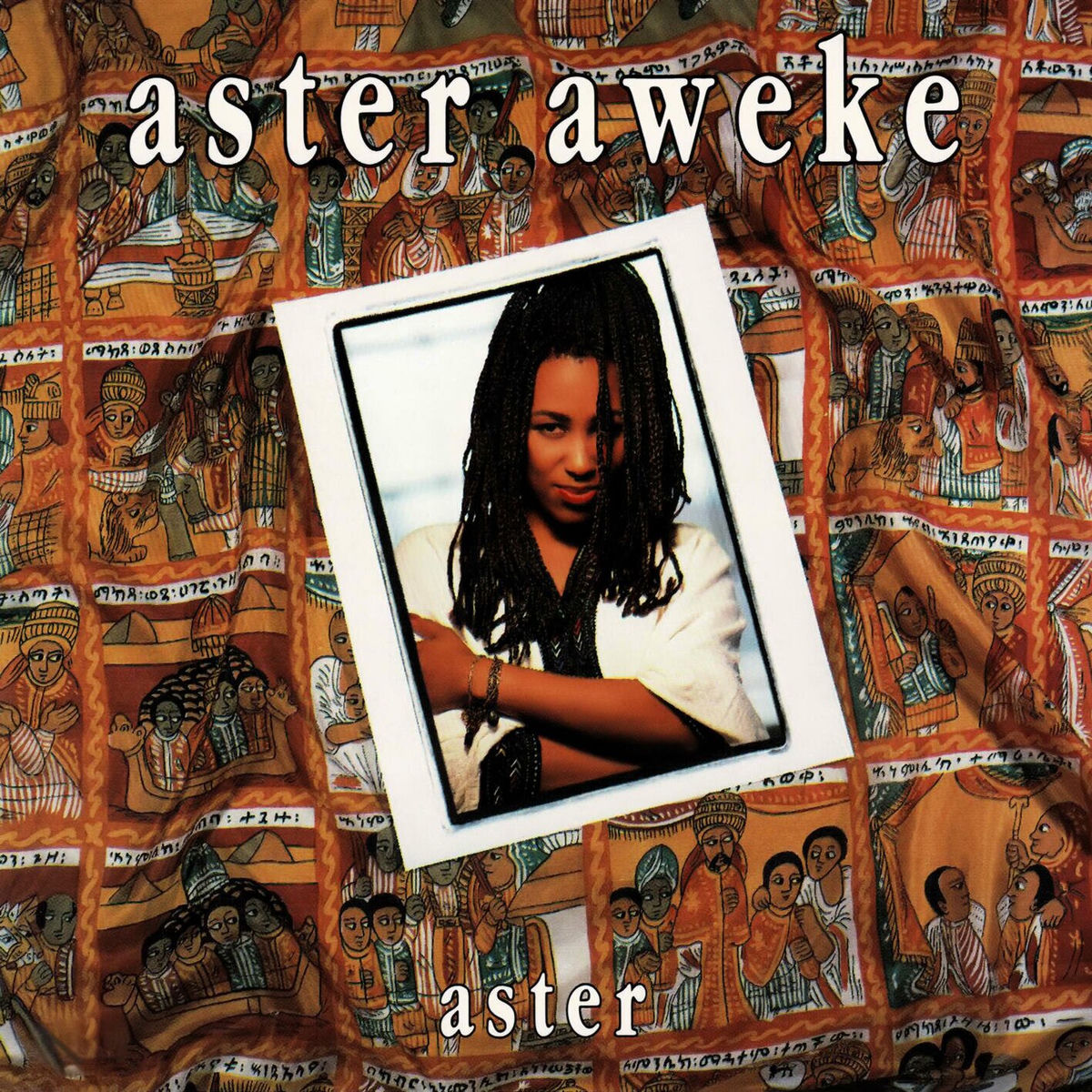
Aster Aweke
 Ethiopia
Also known as: Ethiopia's Aretha Franklin
Birthday
1959
Birth Sign
Capricorn
Birthplace
Gondar, Ethiopia
Age
67 years old
About
Aster Aweke is an Ethiopian singer-songwriter, often called "Ethiopia's Aretha Franklin" for her powerful, emotive voice and decades-long career. Born in 1959 in Gondar, Ethiopia, she has become one of the most influential voices in African music, blending traditional Ethiopian sounds with soul and contemporary styles. Her music has made her a cultural ambassador, beloved both in Ethiopia and among the diaspora.
Known for hits like the New Year anthem "Abebayehosh" and albums such as Hagere (1999) and Fikir (2006), Aweke has maintained a devoted following. As of 2026, she remains active, performing concerts and connecting with fans through digital platforms. Her distinctive voice and commitment to her heritage continue to inspire new listeners worldwide.
Early Life & Background
Aster Aweke was born in 1959 in Gondar, Ethiopia, though some early sources mistakenly listed Brussels, Belgium, because her father was an Ethiopian diplomat and the family spent time there. She began singing publicly at age 13 in Addis Ababa, where her talent quickly gained attention. Her early recordings were two 45 RPM vinyl records, followed by a series of cassette tapes, with her final Ethiopian cassette titled Munayë.
In 1981, Aweke moved to Washington, D.C., settling into the diaspora community. For the next 16 years, she performed in the D.C. area, building a following among Ethiopian expatriates while staying away from the spotlight back home. This period allowed her to refine her artistry and develop a style that would later resonate with a new generation.
Career Growth
Aster Aweke's breakthrough came in 1997 when she returned to Ethiopia for the first time since 1981, reconnecting with her roots and performing for her home audience. Two years later, she released the landmark album Hagere, which solidified her status as a major figure in Ethiopian music. Her 1990s hit "Abebayehosh" became a perennial New Year anthem, played during Enkutatash celebrations.
In 2006, she released Fikir, further showcasing her blend of traditional and modern sounds. Her work gained international recognition in 2016 when The Weeknd sampled her vocals on "False Alarm," introducing her to millions of new listeners. In 2021, her track "Emiye Ethiopia" went viral, amassing millions of views on YouTube. As of 2026, she continues to perform, including a scheduled concert in July 2026.
Career Timeline
Public Image & Style
Aster Aweke is regarded as a matriarchal figure in Ethiopian music, respected for her longevity, vocal power, and dedication to her heritage. Her stage presence is dignified and professional, often blending traditional Ethiopian attire with modern elegance. Media and fans alike see her as a bridge between the old guard of Ethiopian music and the new generation, and her songs are considered anthems within the community.
Fame & Fandom (iFAMOUS Rankings)
Aster Aweke's fanbase is vast, but it has no formal name. There's no "Asterites" or "Team Aweke" organizing billboards or streaming pushes. Her audience is simply the Ethiopian people, at home and in the diaspora, who have carried her songs as anthems for nearly half a century. When she returned to Addis Ababa in 1997 after sixteen years abroad, the welcome was overwhelming, not with chaos, but with reverence. Her songs had become the soundtrack of a generation's longing, and her return was a homecoming of national significance.
In the global fame landscape, iFANN's Global Fame Engine has evaluated Aster Aweke but she currently holds no placement in the published rankings, neither the Global Top 1,000 nor any Top-100 scope list. This is not a judgment on her cultural weight, but a reflection of the engine's focus on contemporary global search and media signals, where world music legends often sit outside the spotlight. Her fame is deep rather than broad, sustained rather than viral.
The story that does break through is her influence on modern superstars. The Weeknd has explicitly cited Aster Aweke and Mulatu Astatke as artists he grew up listening to, and his 2016 hit "False Alarm" samples her work, a moment that introduced her to millions of new listeners. That single act of homage turned a niche legend into a name checked by a global pop icon, a quiet but powerful marker of her reach.
Interesting Facts and Legends
Aster Aweke's music explores themes of love, patriotism, and social commentary. She is a key figure for the Ethiopian diaspora in the Washington, D.C., area, where she performs regularly. Her career spans nearly 50 years, from her teenage debut in the 1970s to her ongoing performances in her 60s. She has performed at New York City's SOB's in 2011, and her influence is noted in lists of African music samples used in global R&B and rap.
One of the most retold legends of her modern career is the Weeknd's sampling of her work on "False Alarm" (2016). The Weeknd has said in interviews that he grew up listening to Aster Aweke and Mulatu Astatke, a revelation that introduced her music to a new international audience and cemented her as a foundational influence on contemporary R&B. Her 2023 release "Emiye Ethiopia" continued her tradition of anthemic music for her homeland, and she remains active, with scheduled performances in 2026.
Family & Personal Life
Aster Aweke's father was an Ethiopian diplomat, which led to her family spending time in Brussels during her childhood. She has kept her personal life largely private, with little public information about siblings or extended family. She has no known children and has never been publicly married. She maintains a home in Washington, D.C., while frequently traveling to Ethiopia for performances and visits.
Notable Connections
Aster Aweke's work has been sampled by The Weeknd, who used her vocals on his 2016 hit "False Alarm." She is a prominent figure in the Washington, D.C., Ethiopian community, often performing with local bands like the Feedel Band. Her influence extends to global R&B and rap, with artists like Missy Elliott and Rihanna cited as having used African music samples, though Aweke's direct connections are primarily through her own recordings.
Relationships & Dating History
Aster Aweke has kept her personal life private, with no public information about romantic relationships, marriages, or children. Despite her long career, she has not been linked to any partners in media reports. As of 2026, she is reported to be single, focusing on her music and cultural role. This privacy is unusual for a star of her stature but reflects her dedication to her art.
Salary, Net Worth In 2026
$5 Million
iFANN Editorial Team estimate
iFANN currently estimates Aster Aweke's net worth at $5 million. Her income comes primarily from live performances, music sales, and streaming royalties on platforms like Spotify and Apple Music. She has also earned from licensing deals, notably the sample used by The Weeknd. While she performs regularly in the U.S. and Ethiopia, her earnings are modest compared to mainstream pop stars, reflecting the niche nature of world music. Her financial status has grown steadily over the years, supported by a loyal fan base and continued digital presence. She likely holds real estate in the D.C. area and Ethiopia, though specific figures are not public. The 2016 sampling brought a spike in royalties, and her viral track "Emiye Ethiopia" added to her streaming income.
Awards & Accolades
Known For
Abebayehosh
1990s · New Year anthem
Hagere
1999 · Album
Fikir
2006 · Album
False Alarm (sample)
2016 · Sampled vocals
Keywords
Sources
Quick Facts
- Profession
- singer, songwriter
- Born
- 1959
- Birthplace
- Gondar, Ethiopia
- Gender
- Female
- Net Worth
- $5 Million
Frequently Asked Questions
Where was Aster Aweke born?
Is Aster Aweke married or does she have children?
What is Aster Aweke's most famous song?
Has Aster Aweke collaborated with international artists?
How old is Aster Aweke in 2026?
Social Media


Join the community
fans discussing