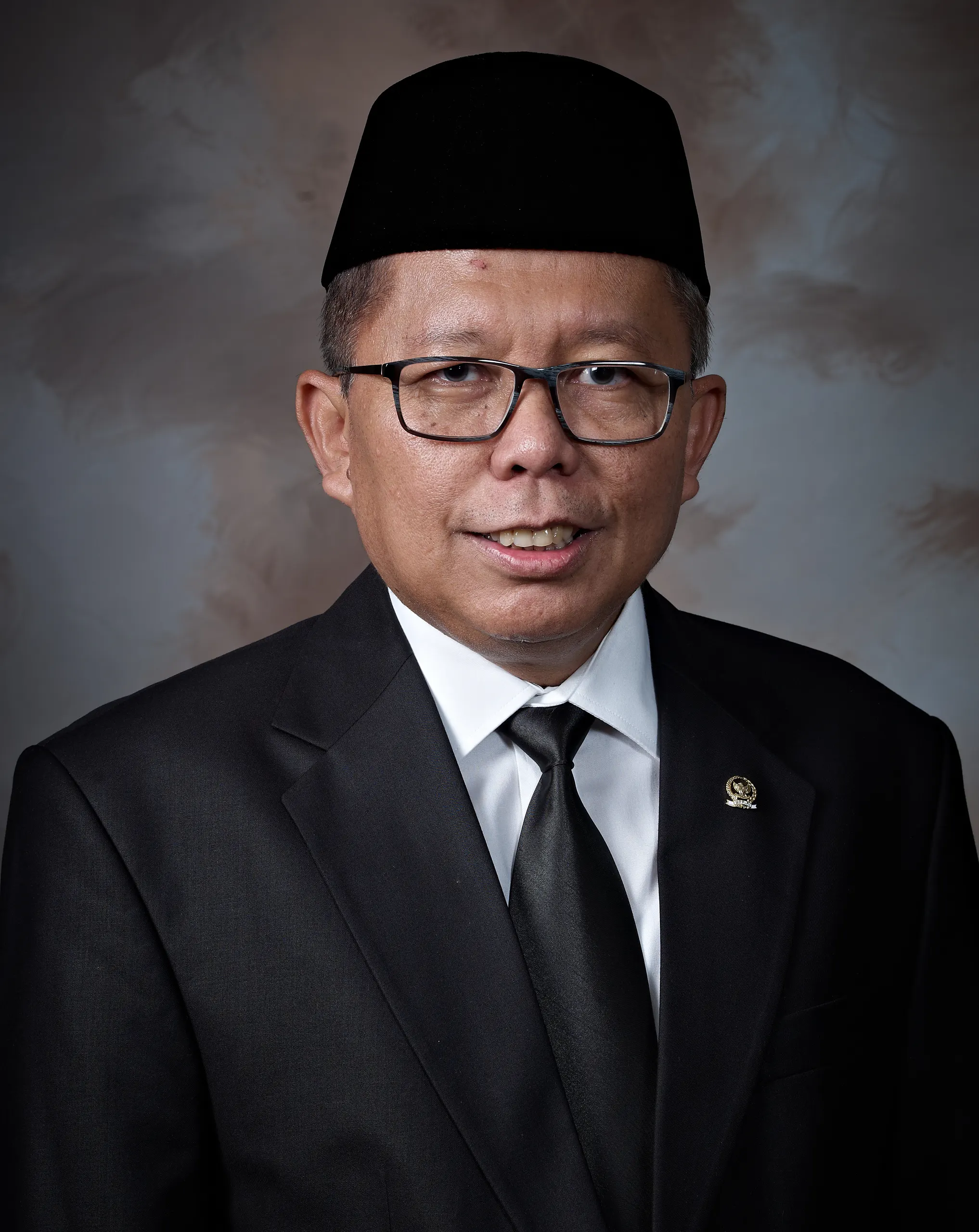
Asrul Sani
 Indonesia
writer•poet•screenwriter•film director
Also known as: Asrul Hadi Abdullah Sani
Birthday
June 10, 1926
Birth Sign
Gemini
Birthplace
Rao, West Sumatra
Age
Died at 77
About
Asrul Sani (full name: Asrul Hadi Abdullah Sani) stands as a towering figure in Indonesian literature, cinema, and intellectual history. Born on June 10, 1926, in Rao, West Sumatra, he dedicated his life to shaping the nation's cultural landscape through poetry, essays, and screenwriting. He is universally recognized as a pivotal member of the Angkatan '45 generation, a group that revolutionized Indonesian literature by rejecting colonial conventions in favor of modernist and existential themes. His career spanned decades, bridging the gap between the revolutionary spirit of the 1940s and the post-independence cultural flowering of the 1950s and beyond. Beyond poetry, he became one of the most prolific screenwriters in Indonesian cinema history, contributing to over 30 films. His legacy is defined by his dual impact on the written word and the silver screen, establishing him as a foundational intellectual figure in Indonesia.
Early Life & Background
Born into the Minangkabau culture of West Sumatra, Asrul Sani's early years were deeply influenced by the rising tide of nationalism during the transition from Dutch colonial rule to independence. Before dedicating himself fully to the arts, he actively participated in the armed struggle for sovereignty as a member of the Laskar Rakyat, the People's Guerrilla Force. This direct involvement in the revolution instilled in him a sense of urgency and social responsibility that would later permeate his writing. His education and formative experiences were intertwined with the revolutionary spirit of the era. Alongside Chairil Anwar and Rivai Apin, he formed a legendary trio that would redefine Indonesian poetry. They rejected the romanticism of previous generations, championing instead a style that was raw, modern, and deeply conscious of the social realities facing the new nation. This collective effort laid the groundwork for the Angkatan '45 movement, which sought to create a literature that was truly Indonesian rather than a mere imitation of Western or colonial styles. The trio's work marked a decisive break from the past, setting the stage for his future literary dominance.
Career Growth
Sani's career breakthrough came in the 1950s when he co-founded the influential literary magazine Gema Suasana. This publication became a vital platform for modernist thought and served as a launching pad for many young writers who shared his vision. His poetry collections and essays quickly established him as a pioneer of Indonesian literature, characterized by themes of freedom, identity, and social justice. His work resonated with a generation eager to define its own voice after years of foreign domination.
Transitioning to film, Sani became one of the most significant screenwriters in Indonesian history. He contributed to over 30 films, leaving an indelible mark on the industry. His screenplay for Darah dan Doa (Blood and Prayer, 1950), directed by Usmar Ismail, is historically significant as it is widely cited as the first feature film produced by independent Indonesian filmmakers after independence. This film set a precedent for national cinema, proving that local stories could be told with artistic integrity.
He continued to produce landmark works throughout his career. His writing for Tiga Dara (Three Virgins, 1956) helped define the Golden Age of Indonesian cinema. In 1961, he made his directorial debut with Pagar Kawat Berduri (The Barbed-Wire Fence), a film that tackled the political struggle for West Irian (now Papua). Even in his later years, he remained active, writing for films such as Nada dan Dakwah (1991) and Kuberikan Segalanya (1992). His ability to adapt his literary sensibilities to the visual medium ensured his relevance across multiple generations of artists.
Career Timeline
Public Image & Style
Asrul Sani's public image was that of a serious intellectual and revolutionary artist. He was portrayed in media and academic circles as a bridge between the armed resistance of the 1940s and the cultural flowering of the post-colonial republic. His aesthetic was one of ink and film reels, devoid of the celebrity glamour associated with modern stars. He was respected for his commitment to nationalistic causes and his willingness to tackle difficult political subjects in his work. His presence was felt more in lecture halls and scriptwriting rooms than on red carpets. Specific physical attributes such as height are not recorded in the available data, but his demeanor was consistently described as solemn and dedicated to the cause of national art.
Fame & Fandom (iFAMOUS Rankings)
Asrul Sani never commanded a stadium of screaming fans or saw subway ads plastered with his face. His legacy rests not in the chaotic energy of a pop-culture mob, but in the quiet reverence of literary circles and academic halls where his words are studied decades after his death. While modern icons spark viral campaigns and birthday billboards, the audience for this writer remains a community of scholars and art enthusiasts rather than an organized fanbase with rituals or official names. There is no documented fandom name, nor any record of fan-funded projects or interactive traditions surrounding his life. The concept of a mass consumer following simply does not apply to an intellectual figure whose impact was felt through ink and film reels.
In September 2026, the iFANN Global Fame Engine evaluated his standing and confirmed he holds no placement in the published rankings. He is currently unranked on the Global Top 1,000 list and does not appear on any Top-100 scope lists. This absence from the charts reflects the nature of his fame: deep but niche, enduring but distant from the metrics of contemporary celebrity consumption. Unlike stars whose popularity surges with every new release, Sani's influence is a steady current within Indonesian culture, preserved by institutions rather than trending algorithms. The lack of a formal ranking underscores that his stature exists outside the competitive hierarchy of global pop stardom. His story is one of historical significance rather than viral virality.
Interesting Facts and Legends
A verified legend of Asrul Sani's life involves his dramatic transition from being a guerrilla fighter in the Laskar Rakyat to becoming a renowned poet and screenwriter. This shift from armed resistance to artistic expression defined his career trajectory during the early years of the republic. His work is often cited as a bridge between the revolutionary spirit of the 1940s and the cultural flowering of later decades. Scholars and art enthusiasts continue to study his literary outputs, which remain central to the nation's cultural landscape.
It is frequently noted that he should not be confused with Arsul Sani, the Constitutional Court justice who retired in January 2024, or Asrul Sani, the associate vice president at The Asia Group leading its Malaysia practice. Despite the similar names, these are three distinct individuals with different careers and backgrounds. The confusion often arises due to the shared surname "Sani" and their prominence in Indonesian public life. His cinematic contributions include films like The Independence Pioneers, cementing his role as a founding intellectual in post-colonial cinema. No folklore or supernatural stories surround his passing in January 2004; instead, his reputation stands on the verified merit of his written works and screenplays.
Notable Quotes
“Championed a modernist approach that broke from colonial-era conventions.”
“His poetry often infused with existential and social themes.”
Family & Personal Life
Asrul Sani was married twice during his lifetime. His spouses were Siti Nuraini and Mutiara Sani. Detailed public records regarding the chronology of these marriages, specific dates of union or divorce, or the number of children he fathered are not available in the provided documentation. Unlike modern celebrities whose relationship histories are meticulously tracked by tabloids, Sani's personal life remains a matter of historical record rather than public gossip. There are no documented high-profile romances, engagements, or breakups recorded in public archives; his public persona was defined by his intellectual output and political engagement rather than his private romantic life. As of his death in 2004, he was widowed.
Notable Connections
Relationships & Dating History
Asrul Sani was married twice during his lifetime. His spouses were Siti Nuraini and Mutiara Sani. Detailed public records regarding the chronology of these marriages, specific dates of union or divorce, or the number of children he fathered are not available in the provided documentation. Unlike modern celebrities whose relationship histories are meticulously tracked by tabloids, Sani's personal life remains a matter of historical record rather than public gossip. There are no documented high-profile romances, engagements, or breakups recorded in public archives; his public persona was defined by his intellectual output and political engagement rather than his private romantic life. As of his death in 2004, he was widowed.
- MarriedSiti NurainiFirst wife; specific dates unavailable.
- MarriedMutiara SaniSecond wife; specific dates unavailable.
Death & Aftermath
Died
January 11, 2004 (aged 77)
Death Place
Jakarta
Cause of Death
Not specified in available records
Asrul Sani died on January 11, 2004, in Jakarta at the age of 77. Born on June 10, 1926, in Rao, West Sumatra, he spent his final days in the capital city before passing away. Available records confirm the date and location of his death but do not contain specific details regarding the medical cause, hospital statements, or the circumstances surrounding his final hours. The event marked the conclusion of a life deeply woven into Indonesia's cultural fabric, leaving behind a significant body of work that defined the '45 Generation movement for decades. The event was met with solemn reverence within Indonesia's cultural and academic communities, viewed as the loss of a founding intellectual. No major public investigation or legal proceedings followed his death.
His legacy endures through his contributions to Indonesian cinema and literature, including films such as Nada dan Dakwah (1991), Kuberikan Segalanya (1992), and Pagar Kawat Berduri (The Barbed-Wire Fence, 1961). Cultural discussions frequently highlight his role as a key figure in the nation's arts, with publications like Gelanggang Credentials referencing his impact on the literary landscape. While no official statement detailed the specific pathology of his passing, the event stands as the end of an influential era in Indonesian creative history. Information regarding funeral rites, burial locations, or specific institutional statements from 2004 remains absent from public archives. His estate details and any immediate foundations established after his death are also unrecorded in the provided documentation. Today, Asrul Sani is remembered primarily through his enduring works and his status as a central figure in the development of modern Indonesian culture.
Net Worth (Estate Value)
$0
iFANN Editorial Team estimate
Asrul Sani passed away in 2004, so his financial legacy is managed through his estate. Research by the iFANN Editorial Team indicates that his estate value is not publicly quantified in standard financial reports, as his wealth was derived from literary royalties and film salaries earned during his lifetime rather than massive commercial ventures typical of modern celebrities. The estate continues to earn revenue through the licensing of his works, including his screenplays and poetry collections, which remain studied in academic settings. Posthumous releases and reprints of his books contribute to ongoing income streams. No major catalog sales or legal settlements involving his estate have been widely reported in public records. The financial trajectory of his estate reflects the steady, long-term value of his intellectual property rather than sudden spikes in wealth.
Awards & Accolades
Known For
Darah dan Doa
1950 · Screenwriter
Tiga Dara
1956 · Screenwriter
Pagar Kawat Berduri
1961 · Director
Nada dan Dakwah
1991 · Screenwriter
Kuberikan Segalanya
1992 · Screenwriter
Keywords
Sources
Quick Facts
- Profession
- film director, screenwriter, poet
- Born
- June 10, 1926
- Birthplace
- Rao, West Sumatra
- Died
- January 11, 2004
- Death Place
- Jakarta
- Gender
- Male
- Spouse
- Siti Nuraini, Mutiara Sani
- Birth Sign
- Gemini
Personal Details
- Full Name
- Asrul Hadi Abdullah Sani
- Spouse
- Siti Nuraini, Mutiara Sani
- Children
Filmography
30
Total
30
Film
0
TV
Frequently Asked Questions
Who was Asrul Sani?
When did Asrul Sani die?
What is the difference between Asrul Sani and Arsul Sani?
What famous films did Asrul Sani write?
Did Asrul Sani have a large fanbase?
Similar People
Join the community
fans discussing