Asian Kung-Fu Generation
 Japan
Energy, consistency, and the sound of a generation.
Genki
Fandom
4
Members
About
As of 2026, Asian Kung-Fu Generation stands as a pillar of the Japanese rock landscape, currently celebrating three decades since their formation at Yokohama National University. The quartet remains active, releasing new material like the single Skins for the Dr. Stone: Science Future anime and launching their 30th Anniversary Tour. They are known for a distinct blend of energetic punk rock and melodic alternative sounds that have resonated with millions globally, particularly through their extensive work with anime franchises.
Their current era is defined by a mature yet undiminished energy. Fans relate to the group not just for their hits, but for their unwavering commitment to the same four members who started together as students. With over a decade of #1 albums on the Oricon chart and hundreds of millions of streams, they continue to command large stadiums across Japan. Their presence feels less like a fading nostalgia act and more like a living institution, bridging the gap between the underground indie scene of the late 90s and the global digital age.
Formation Story
The story begins in 1996 at the music club of Yokohama National University, where four students decided to start a band without any formal auditions or agency backing. Masafumi Gotoh, Kensuke Kita, Takahiro Yamada, and Kiyoshi Ijichi met through shared interests in Western rock bands like Weezer and Oasis. Unlike many groups that undergo rigorous training camps under strict management, these friends formed an organic collective focused purely on playing music together. They spent their university days writing covers and honing their craft in small rehearsal spaces.
After graduation, the group faced the typical struggles of indie musicians in the early 2000s. They released a series of independent EPs between 2002 and 2003, such as Natsu no Oni and Kimi to Iu Hana, which featured lyrics mostly in English. These releases built a cult following within the Japanese underground scene. In 2002, they signed with Ki/oon Music, a subsidiary of Sony Music Entertainment Japan, marking their entry into the major league. Their first major-label EP, Hōkai Amplifier, signaled a turning point where they began singing exclusively in Japanese. This decision expanded their reach significantly. Their official major debut single, "Haruka Kanata," released in 2004, became a breakthrough hit after being used as the opening theme for the anime Naruto, propelling them from underground favorites to mainstream superstars.
Members
Musical Style
Asian Kung-Fu Generation's sound is rooted in alternative rock and punk rock, heavily influenced by Western acts like The Strokes and Oasis. Their early work was characterized by fast tempos, raw energy, and lo-fi production that reflected their college band origins. Songs often featured prominent power chord guitar riffs and rhythmic grooves that drove the melody forward. As they moved into the major label era, their production quality polished while retaining high-energy punk influences. Tracks like "Re:Re:" showcased anthemic choruses suitable for large arenas.
In their mature era, the band incorporated diverse instrumentation including orchestral elements and electronic textures without losing their core rock identity. Albums like Sound Track (2014) and World World World (2016) explored themes of nature, humanity, and social issues. Masafumi Gotoh's lyrics are known for being poetic and philosophical, often focusing on personal growth and the passage of time. The band's signature style combines intricate guitar work with emotional vocal delivery, creating a sound that is both accessible and technically impressive.
Discography
| Title | Year |
|---|---|
| Spiral | 2020 |
| World World World | 2016 |
| Sound Track | 2014 |
| Jikuu no Kizuna | 2008 |
| World World World | 2006 |
| Seishun no Raika | 2005 |
| Fukou no Hi | 2004 |
Tours
30th Anniversary Tour 2027
2027 · 30 shows
Dome Tour 2009
2009 · 12 shows
Live House Tour 2003
2003 · 45 shows
Cultural Impact
The band played a crucial role in popularizing alternative rock in mainstream Japan during the 2000s. Before their rise, the Japanese market was dominated by J-Pop idols and ballads. Asian Kung-Fu Generation proved that a rock band could achieve massive commercial success without compromising their artistic integrity. Their association with the Naruto franchise introduced their music to a global audience, making them a staple in the anime community worldwide. Millions of fans outside Japan discovered the band through the show's international broadcasts.
They also influenced fashion trends, with their casual yet stylish stage attire inspiring fans. The group's longevity has set a benchmark for other artists in the industry. By maintaining the same lineup for over twenty-five years, they demonstrated the viability of long-term collaboration in an industry often driven by short-lived trends. Their success paved the way for subsequent rock bands to gain recognition in the mainstream media.
Fandom Culture
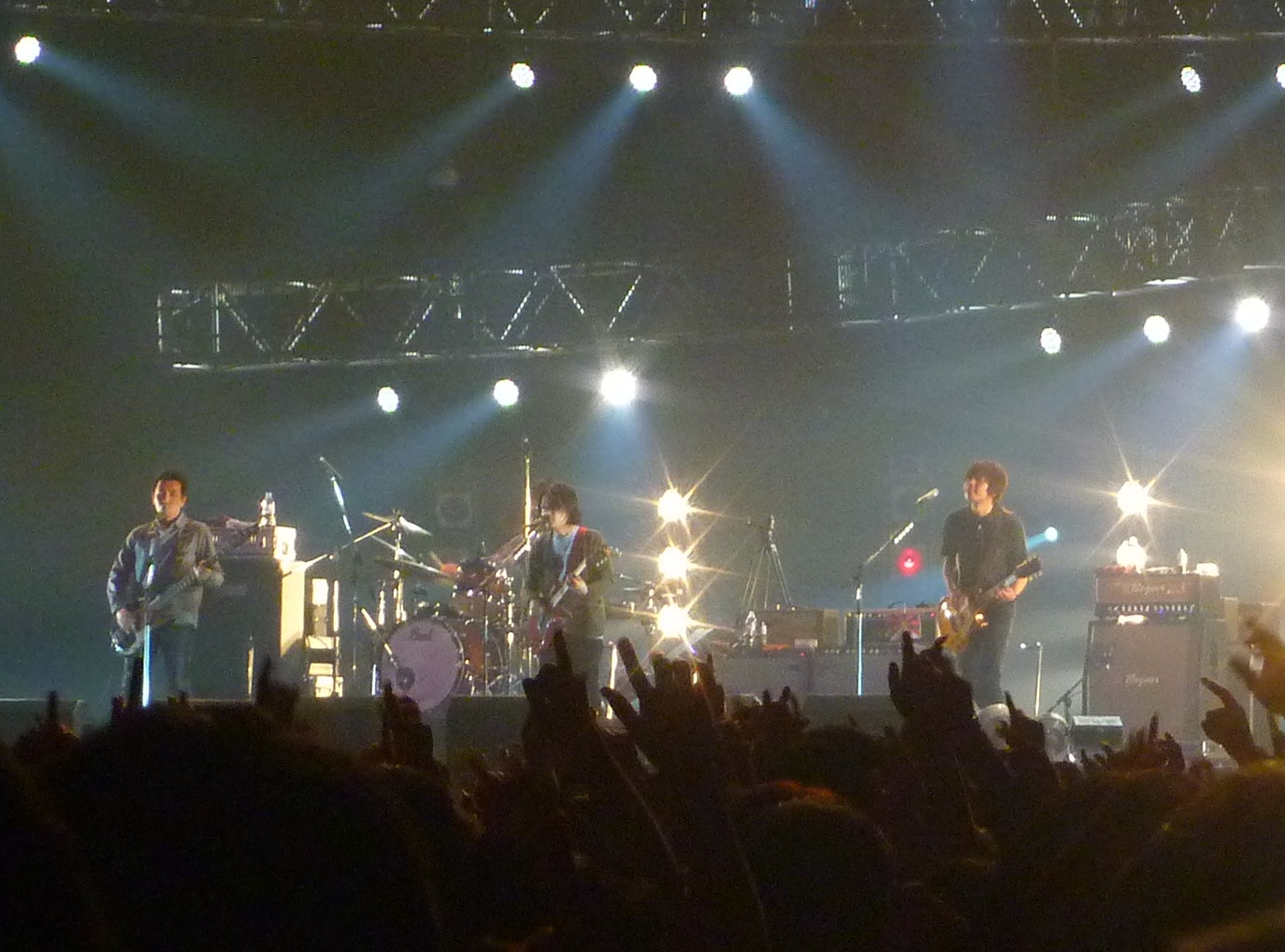
The fandom is officially named "Genki," which means "energy" or "lively" in Japanese. This name reflects the spirited nature of their concerts and the positive vibe the band projects to their audience. Fans are known for their synchronized light stick waves during performances, creating a sea of green lights that fills the stadium. The fan color is green, representing the "Genki" spirit and the band's connection to nature themes found in their lyrics.
A notable tradition among fans is the unison chanting during the chorus of "Haruka Kanata." This moment brings thousands of people together in a shared experience of nostalgia and excitement. Fan projects often involve organizing charity events or creating tribute videos for the band's anniversaries. The community is tight-knit, with many members remaining close friends from their university days, mirroring the bond the band itself shares.
Awards Won (62)
Asian Kung-Fu Generation has won numerous accolades throughout their career, including multiple Japan Gold Disc Awards for Best Rock Album and Song of the Year. They have received MTV Video Music Awards Japan honors for Best Rock Video and Best New Artist. Space Shower Music Awards have recognized them with Best Band and Best Rock Song titles repeatedly. Billboard Japan Music Awards have acknowledged their Top Rock Artist and Top Rock Album achievements. Their songs have also won Best Anime Theme Song at the Crunchyroll Anime Awards.
Top Rock Artist
for: N/A
Best Rock Video
for: Skins
Best New Artist
for: N/A
Best Rock Album
for: Spiral
Song of the Year
for: Tomorrow
Best Band
for: N/A
Best Anime Theme Song
for: Yume no Naka
for: "Rewrite", (from anime Fullmetal Alchemist)
for: Sol-fa
for: Nana-Iro Electric Tour 2019, (with Ellegarden and Straightener)
Milestones
Formation at Yokohama National University
Major debut with Hōkai Amplifier
Breakthrough with Haruka Kanata and Naruto tie-in
Release of World World World album
Announcement of 30th Anniversary Tour
Trivia
The band holds the Guinness World Record for the longest-running rock band in Japan with an unchanged lineup., Masafumi Gotoh writes all the lyrics himself, often drawing inspiration from literature and philosophy., Despite their international fame, the band rarely sings in English, having switched to Japanese early in their career., All four members attended Yokohama National University and met through its music club., The band founded their own imprint, Tofu Records, to maintain creative control over their independent releases.
Keywords
Sources
Quick Facts
- Type
- Rock Band
- Formed
- 1996
- Origin
- Yokohama
- Label
- Tofu Records, Ki/oon Music
- Genres
- punk rock, alternative rock, indie rock
- Members
- 4
- Status
- Active
Group Info
- Fandom
- Genki
- Formed
- 1996
- Debut
- 2002-11-07
- Debut Song
- Hōkai Amplifier
- Origin
- Yokohama, Kanagawa, Japan
- Company
- Ki/oon Music
- Label
- Tofu Records, Ki/oon Music
- Fan Color
- Green
- Lightstick
- AKFG Light Stick
- Status
- Active
Social Media
Also Known As
Join the community
fans discussing