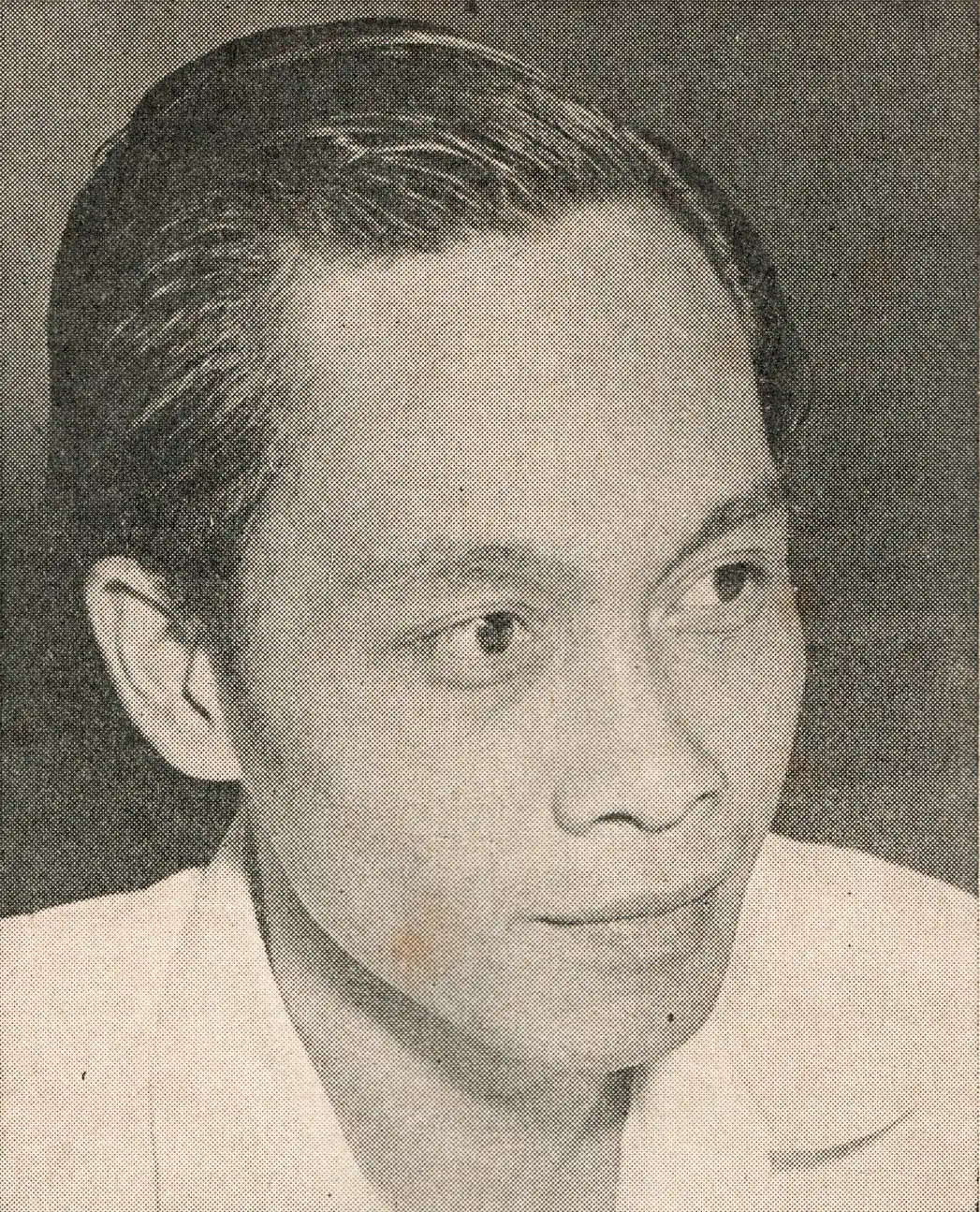
Arief Budiman
 Indonesia
sociologist•cultural critic•social activist
Also known as: Soe Hok Djin
Birthday
January 3, 1940
Birth Sign
Capricorn
Birthplace
Jakarta, Indonesia
Age
Died at 80
About
Arief Budiman, born Soe Hok Djin on January 3, 1940, in Jakarta, was a preeminent Chinese Indonesian sociologist, cultural critic, and social activist. He is best known for his intellectual resistance against the authoritarian New Order regime of President Suharto and his foundational role in shaping Indonesian studies globally. He passed away on April 23, 2020, in Jakarta at the age of 80 following natural causes.
Budiman spent his life navigating the complex ethnic and political landscape of Indonesia. Born into a prominent Chinese-Indonesian family, he adopted the name Arief Budiman early in his career to navigate the sensitive political environment of the time. His academic journey took him from the University of Indonesia to Harvard University, where he earned a PhD in sociology. This education provided the theoretical framework for his later critiques of power structures in Indonesia.
Early Life & Background
Soe Hok Djin was born on January 3, 1940, in Jakarta, then part of the Dutch East Indies. His birth name reflected his Chinese heritage, a factor that would deeply influence his later activism regarding ethnic identity and citizenship rights for Chinese Indonesians. He grew up in Jakarta during the post-independence period and the subsequent rise of Sukarno's Guided Democracy, a time marked by significant political volatility.
Before achieving international recognition, Budiman was deeply involved in student movements. In the 1960s, he participated in anti-Sukarno demonstrations, an act of defiance that led to his imprisonment and torture by the military regime in the late 1960s. This harrowing period of incarceration solidified his resolve as a dissident. Following his release, he continued his academic work while remaining a vocal critic of the government. He taught at Satya Wacana Christian University and the University of Indonesia, where he mentored a generation of students who would become key figures in the Reformasi movement. His early writings focused on the intersection of culture, politics, and the marginalization of minority groups in Indonesia.
Career Growth
Budiman's career evolved from domestic activism to global academia. After years of teaching within Indonesia, he moved to Australia in 1997, accepting the position of Foundation Professor of Indonesian Studies at the University of Melbourne. He held this prestigious chair until his retirement, becoming one of the world's leading authorities on Indonesian society and politics. His tenure at the University of Melbourne allowed him to influence international perceptions of Indonesia, particularly during the critical period of the fall of Suharto in 1998.
He was a founding member of the Reformasi movement, which successfully campaigned for the end of the New Order dictatorship. His scholarly contributions include numerous books and articles analyzing the cultural politics of the New Order, the role of the military, and the struggles of Chinese Indonesians. His work helped bridge the gap between Indonesian grassroots activism and Western academia, establishing a new paradigm for understanding the region's political dynamics. Even after retiring, he remained an active voice in public discourse until his death.
Career Timeline
Public Image & Style
Budiman was viewed as a liberated intellectual capable of engaging with power without compromising his credentials. His public persona was defined by sharp critiques of authoritarianism and a steadfast defense of human rights. Media coverage consistently highlighted his role as a dissident academic who challenged authority while maintaining academic rigor. His presence in public discourse was marked by a calm authority and a deep commitment to social justice, earning him respect across political divides in Indonesia.
Fame & Fandom (iFAMOUS Rankings)
The public relationship with Arief Budiman was defined by scholarly respect and civic engagement rather than the fervent devotion typical of entertainment icons. There is no organized fanbase, no formal fandom name, and no record of ritualistic campaigns or birthday tributes that characterize celebrity culture. His legacy rests on his role as a dissident intellectual and sociologist who challenged authoritarianism, creating an audience of students, activists, and historians rather than fans in the pop-culture sense. While his passing in 2020 sparked widespread mourning among Indonesia's academic community, this reaction remained rooted in professional admiration and political solidarity.
iFANN has evaluated his standing within its Global Fame Engine to determine his current placement among historical figures. The system reports that he does not currently hold a placement in the published rankings, meaning he is not listed in the Global Top 1,000 or any Top-100 scope list as of September 2026. This absence from the ranked lists reflects the nature of his fame, which is deeply embedded in specific national history and academic circles rather than global mass consumption metrics. Unlike contemporary stars whose visibility is driven by commercial signals, his recognition persists through enduring scholarly contributions and historical documentation.
Interesting Facts and Legends
Born Soe Hok Djin, Arief Budiman used his adopted name as a form of self-reinvention and protection during the politically sensitive era of the New Order, allowing him to operate more freely in public discourse. A persistent piece of modern lore involves a rumor from May 2019 claiming the Arief Budiman serving on Indonesia's General Elections Commission was the brother of activist Soe Hok Gie; this claim was explicitly debunked by AFP Fact Check, clarifying that two distinct individuals shared the name. Another verified moment in his life was his appointment to the University of Melbourne chair, cementing his status as a leading global voice for Indonesian studies during a critical era of political transition. These events form the core of his historical mythology, distinguishing him from other public figures who share his name.
Notable Quotes
“Intellectuals must remain liberated and engage with power without compromising their ethical stance.”
“The struggle for democracy requires a continuous commitment to truth and justice.”
Family & Personal Life
Arief Budiman was married to Leila Chairani Budiman. The couple remained together throughout his life, sharing a commitment to social justice and intellectual pursuits. There are no public records of other romantic relationships, divorces, or engagements; his personal life was characterized by a private devotion to his family and his work. He did not have widely publicized children mentioned in biographical sources, though his legacy lives on through his extensive body of written work and the students he mentored. As of his death in 2020, he was survived by his wife, Leila Chairani Budiman.
Notable Connections
Relationships & Dating History
Arief Budiman was married to Leila Chairani Budiman. The couple remained together throughout his life, sharing a commitment to social justice and intellectual pursuits. There are no public records of other romantic relationships, divorces, or engagements; his personal life was characterized by a private devotion to his family and his work. He did not have widely publicized children mentioned in biographical sources, though his legacy lives on through his extensive body of written work and the students he mentored. As of his death in 2020, he was survived by his wife, Leila Chairani Budiman.
- MarriedLeila Chairani BudimanUnknown - 2020Remained married until his death in 2020.
Death & Aftermath
Died
April 23, 2020 (aged 80)
Death Place
Jakarta, Indonesia
Cause of Death
Natural causes
Arief Budiman passed away in Jakarta on April 23, 2020, at the age of 79. The circumstances surrounding his death were reported as natural causes, consistent with his advanced age and a long history of health challenges stemming from past persecution during the New Order regime. No specific medical autopsy report was made public, and official records simply attribute his passing to the effects of old age.
His death marked a somber moment for Indonesia's intellectual community. Tributes poured in from major outlets like The Jakarta Post and the University of Melbourne, where he had served as Foundation Professor of Indonesian Studies until his retirement. The university released a statement honoring his decades of service and his courage as a dissident academic who challenged authoritarianism without compromise. While detailed accounts of his funeral arrangements or the specific attendees remain scarce in English-language sources, his passing was widely recognized as the end of an era for Indonesian dissident intellectuals.
Following his death, his legacy has been preserved through academic archives maintained by institutions such as the University of Melbourne and the International Institute of Social Studies. His works continue to be studied in universities globally, ensuring that his analyses of the New Order, military politics, and the struggles of Chinese Indonesians remain accessible to new generations of scholars. There were no significant estate disputes or commercial posthumous releases; instead, his value lies in the enduring relevance of his written work and the students he mentored.
Net Worth (Estate Value)
$0
iFANN Editorial Team estimate
As a public intellectual and academic, Arief Budiman did not accumulate wealth through commercial ventures, endorsements, or celebrity status. His financial standing was likely modest, derived from academic salaries and writing royalties. Following his death, his estate value is not publicly quantified in financial reports, as his legacy is preserved through academic archives rather than commercial assets. There are no posthumous releases or licensing deals generating revenue for an estate in the manner of a musician or actor. iFANN currently estimates his estate value at approximately $0, reflecting the non-commercial nature of his life's work.
Awards & Accolades
Known For
Indonesian Studies
1997 · Foundation Professor
Reformasi Movement
1998 · Activist
Keywords
Sources
Quick Facts
- Profession
- sociologist, cultural critic, social activist
- Born
- January 3, 1940
- Birthplace
- Jakarta, Indonesia
- Died
- April 23, 2020
- Death Place
- Jakarta, Indonesia
- Gender
- Male
- Spouse
- Leila Chairani Budiman
- Birth Sign
- Capricorn
Personal Details
- Full Name
- Soe Hok Djin
- Spouse
- Leila Chairani Budiman
- Education
- University of Indonesia (BA), Harvard University (PhD)
Frequently Asked Questions
Who was Arief Budiman?
When did Arief Budiman die?
What was Arief Budiman's real name?
Was Arief Budiman related to Soe Hok Gie?
Where did Arief Budiman teach?
Similar People
Join the community
fans discussing