 Iran
IranAbout
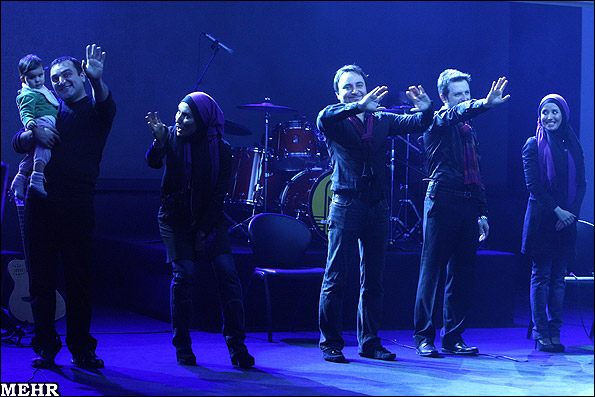
Arian is an Iranian pop band. They are renowned for breaking barriers as one of Iran's first co-ed pop groups since the revolution. Arian achieved massive commercial success, with their second, third, and fourth albums becoming the best-selling records of their respective years in Iran. The group toured extensively worldwide, performing for Persian communities internationally and donating a portion of their profits to the United Nations World Food Programme. Though they have not released new music or performed publicly since around 2015, their impact on Iranian pop music remains significant.
Formation Story
In 1998, against the backdrop of Iran's heavily regulated post-revolution music scene where co-ed groups were virtually nonexistent, a groundbreaking initiative began in Tehran. A loose circle of musicians, driven by a shared vision to form a pop band with both male and female members, a concept unseen in Iran since the revolution, came together. They named themselves Arian. This ambitious group comprised eleven members, with Ali Pahlavan and Payam Salehi sharing lead vocal duties. Ninef Amirkhas took on the crucial roles of arranger and musical director, shaping the band's sound. Additional songwriting credits were distributed among Pahlavan, Salehi, Amirkhas, Siamak Khahani, and Sharareh Farnejad, alongside several other talented individuals who had previously crossed paths in Tehran's underground music circles. To navigate the restrictive environment, the band rehearsed discreetly in private homes and small studios, intentionally avoiding public attention as they forged their unique sound.
Their dedication culminated in the independent recording of their first album. Released through informal distribution channels, the debut arrived without much fanfare, quietly introducing Arian to the public. However, it was their second album that truly captured the nation's attention, rapidly becoming the best-selling record of its year in Iran. This initial breakthrough was not a fleeting success; the band’s third and fourth albums remarkably repeated this feat, solidifying Arian's position as a dominant force in Iranian pop music. The band's original lineup of eleven members remained stable throughout their active years , a testament to their cohesion and shared purpose as they rose to prominence. Their burgeoning popularity soon transcended national borders, leading Arian to tour globally, performing for enthusiastic Persian communities stretching from Los Angeles to Dubai. Demonstrating a commitment beyond music, the group also notably donated part of their profits to the United Nations World Food Programme, further cementing their unique legacy during their early rise.
Members
Musical Style
Arian played mainstream Persian pop with polished production. Their sound centered on Pahlavan and Salehi's vocal harmonies, layered over synth-driven arrangements and acoustic guitar. Amirkhas, who arranged every track, favored clean melodies and pop structures. Lyrically, the songs dealt with love, longing, and everyday life. The band never experimented heavily with genre, sticking to a radio-friendly pop template that resonated with Iranian audiences at home and abroad.
Discography
| Title | Year |
|---|---|
| Fourth Album | 0 |
| Third Album | 0 |
| Second Album | 0 |
| First Album | 0 |
Cultural Impact
Arian broke a significant barrier in Iranian music: they were the first post-revolution pop band to perform with both male and female musicians on stage. This opened the door for other co-ed acts, though restrictions remained tight. The band's commercial success demonstrated that Persian pop could thrive despite limited official support. Their inclusion in the International Who's Who in Music marked the first time an Iranian band received that recognition. Arian also used their platform for philanthropy, donating to the UN World Food Programme.
Awards & Accolades
View 3 records, honours and achievementsMilestones
Band formed in Tehran.
Second, third, and fourth albums each became best-selling records of their release years.
First Iranian band to be listed in International Who's Who in Music.
Donated part of profits to United Nations World Food Programme.
Band effectively disbanded.
Trivia
Ninef Amirkhas arranged every single song Arian ever released. Ali Pahlavan and Payam Salehi were the only two members to appear on all four albums. The band never had an official leader or manager. Their fourth album was the last one they released, and no reunion has ever been discussed. Arian's live shows often featured extended instrumental sections that were not on the studio recordings.
Keywords
Sources
Quick Facts
- Formed
- 1998
- Origin
- Iran
- Genres
- pop music
- Members
- 11
- Disbanded
- 2015
Group Info
- Formed
- 1998
- Origin
- Iran
- Status
- Disbanded (2015)
Join the community
fans discussing