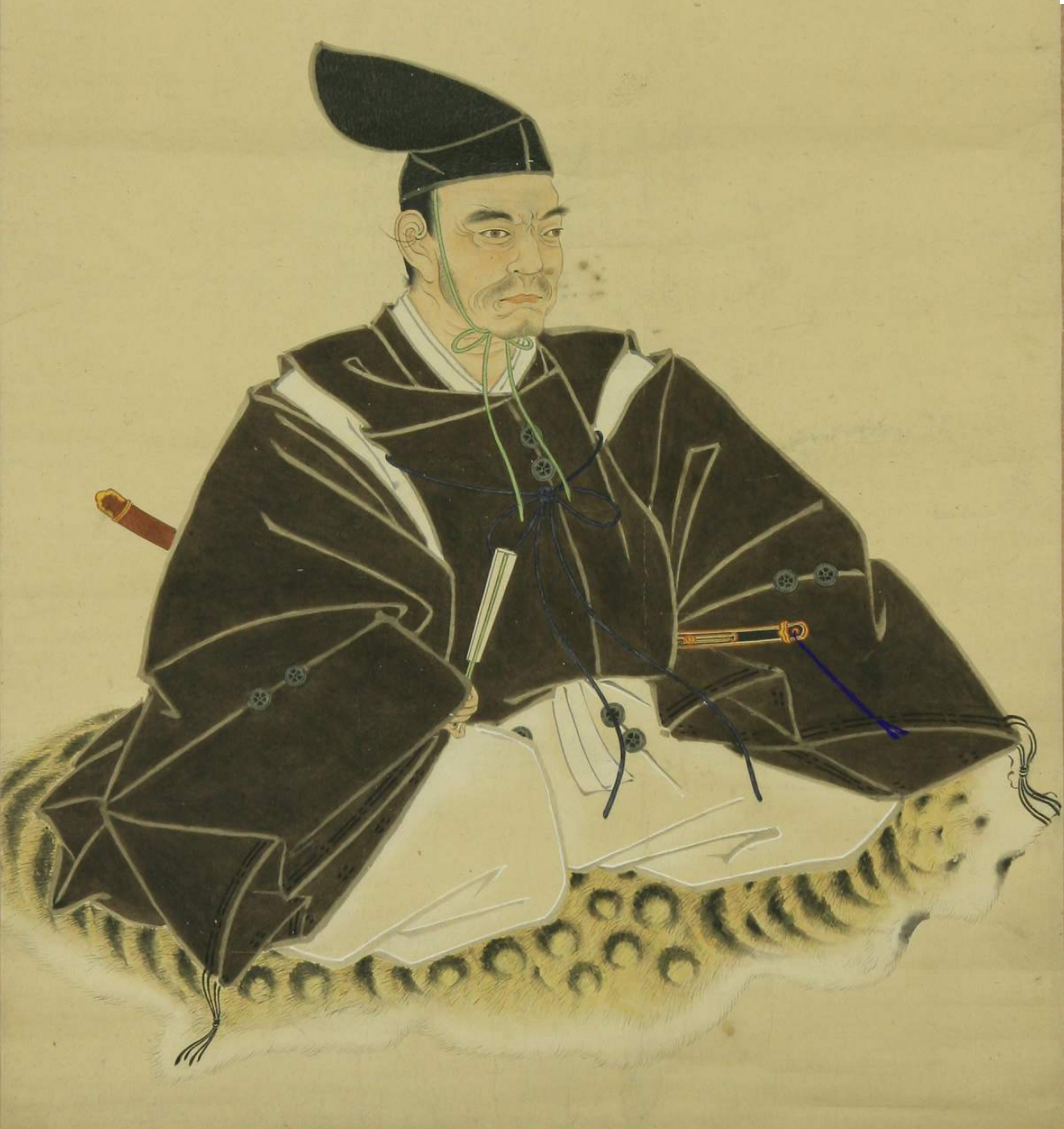
Arai Hakuseki
 Japan
JapanBirthday
+1657-03-24
Birth Sign
Sagittarius
Birthplace
Edo
Age
Died at 68
About
Arai Hakuseki (新井 白石; March 24, 1657 – June 29, 1725) was a Confucianist, scholar-bureaucrat, academic, administrator, writer and politician in Japan during the middle of the Edo period, who advised the shōgun Tokugawa Ienobu. His personal name was Kinmi or Kimiyoshi (君美). Hakuseki (白石) was his pen name. His father was a Kururi han samurai, Arai Masazumi (新井 正済).
Fame & Fandom
Arai Hakuseki commands a presence defined not by the fervor of modern fan clubs, but by the enduring respect of historians and scholars who study the Edo period. Unlike contemporary celebrities, he possesses no organized fanbase, no specific moniker for his followers, and no recorded rituals or charity drives dedicated to his memory. His legacy remains institutional, preserved within academic circles rather than on social media feeds or subway advertisements. The concept of a fandom in the populist sense does not apply to a figure who passed away nearly three centuries ago, leaving behind only written records and historical impact. iFANN has evaluated his standing within the global cultural landscape to determine his current visibility among public figures. As of August 2026, Arai Hakuseki is currently unranked in the Global Top 1,000 or any Top-100 scope list maintained by the engine. He does not hold a placement in the published rankings, meaning no ordinal number can be assigned to his fame at this time. This absence of a rank reflects his status as a historical subject rather than an active participant in modern media consumption cycles. While his name appears frequently in educational texts and museum exhibits, these appearances do not translate into the measurable engagement signals required for a ranking position in the current system. The lack of a documented fandom name further underscores that his audience consists of researchers and students rather than a mobilized group of enthusiasts. His influence persists through the reading of his extensive works, such as the Tōshi Gunki and Tōshin Nikki, which continue to inform historical understanding without generating the viral momentum typical of ranked personalities.
Interesting Facts and Legends
Born Kinmi or Kimiyoshi, the scholar-bureaucrat served as a chief advisor to Shogun Tokugawa Ienobu during the early 18th century. He is renowned for establishing a critical method for studying Japanese history that distinguished fact from folklore, setting a precedent for historical skepticism. One of the most enduring narratives involving him concerns the Sidotti Incident, where he interrogated Giovanni Battista Sidotti, an Italian missionary who had disguised himself as a samurai to enter Japan. This event remains a verified historical chapter, recently gaining renewed attention following the 2016 discovery of bones believed to belong to the priest and a 2025 initiative to build a museum dedicated to the missionary. Hakuseki also implemented significant administrative reforms, including changes to the coinage system and regulations governing the Yoshiwara district. His death on June 29, 1725, marked the conclusion of a distinct era of intellectual reform in the Edo period. While he lacks the viral moments associated with modern icons, his rigorous approach to evidence continues to serve as a benchmark for separating myth from reality in historical studies.
Death & Aftermath
Died
+1725-06-29 (aged 68)
Death Place
Unknown
Cause of Death
Natural causes
The Tokugawa administration and the Arai family formally recorded the passing of the scholar-bureaucrat Arai Hakuseki on June 29, 1725, marking the end of his long tenure as chief adviser to Shogun Tokugawa Ienobu. Historical chronicles confirm this date but offer no specific details regarding the exact location of his final moments within Edo or any medical diagnosis, as modern forensic institutions were nonexistent in the early eighteenth century. The prevailing account attributes his death to natural causes consistent with his age of sixty-eight, a conclusion drawn from contemporary family records rather than an official autopsy or coroner's ruling. Reaction to the loss consisted of formal tributes from the Shogunate and the scholarly community, acknowledging his contributions to governance, history, and economics while eschewing modern phenomena like mass vigils or commercial surges.
His peers recognized his influence on policies regarding foreign relations and the suppression of Christianity, noting that his passing signaled the close of an era for the Neo-Confucian intellectual circle he led. Funeral rites were conducted according to the customs appropriate for a high-ranking samurai-scholar, resulting in his interment at Zōjō-ji Temple in Edo, a site commonly reserved for members of the Tokugawa clan and their retainers. In the posthumous realm, Hakuseki has been honored through extensive academic studies and cultural references analyzing his political theories and historical writings such as Toshi Kō., his works continue to be studied extensively, ensuring his status as a pivotal subject in Edo period historiography.
Awards & Accolades
Keywords
Quick Facts
- Profession
- philosopher, writer, politician
- Born
- +1657-03-24
- Birthplace
- Edo
- Died
- +1725-06-29
- Death Place
- Sendagaya
- Gender
- Male
- Birth Sign
- Sagittarius
Join the community
fans discussing