 Portugal
About
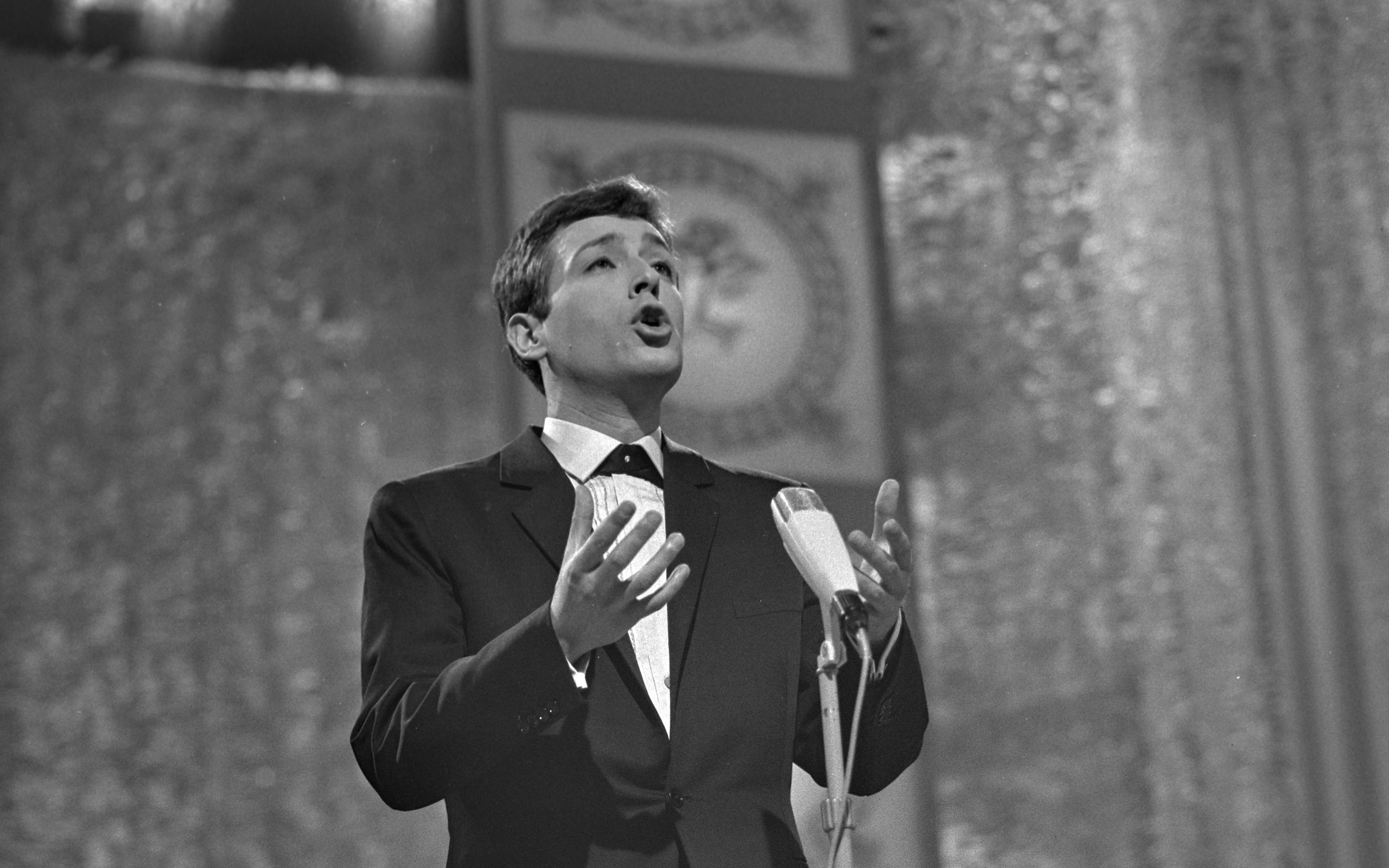
António Calvário is a Portuguese singer, actor, and writer, born on October 17, 1938, in Lourenço Marques (now Maputo), Mozambique. He is best known as the first artist to represent Portugal at the Eurovision Song Contest, performing "Oração" in 1964. Over his long career, he earned the national title "King of Radio" five times, a testament to his powerful voice and enduring popularity.
Today, Calvário is a revered figure in Portuguese culture, celebrated as a pioneer who introduced Portuguese pop to an international audience. His music continues to resonate, with recent releases like "Fátima Cantada em Fado" (2024) showing his lasting creative drive. Fans admire him for his elegant stage presence and his role in shaping the country's musical identity.
Early Life & Background
Born António Gomes Ferreira, Calvário grew up in Lourenço Marques during the Portuguese colonial era. His family later moved to mainland Portugal, where he pursued his artistic education. From a young age, he was drawn to music and performance, eventually finding his footing in the vibrant revue theater scene, a genre that blends song, comedy, and drama.
Before his breakthrough, he honed his craft in local theaters and on radio, building a reputation as a versatile entertainer. His early work in these settings laid the groundwork for his later success, giving him the stage experience and vocal training that would define his career.
Career Growth
Calvário's big break came in 1961 when he won the first edition of the Festival da Canção with "Oração," earning the right to represent Portugal at Eurovision. On March 21, 1964, in Copenhagen, he performed the song, finishing last with zero points. Despite the result, the appearance made history and boosted his fame at home.
Throughout the 1960s and 1970s, he became a household name in Portugal, releasing albums and starring in revues. He was named "King of Radio" five times, a unique honor reflecting his dominance on the airwaves. In later decades, he continued to perform and record, collaborating with artists like José Manuel Machado. As of 2026, he remains active, with recent projects like the 2024 release "Fátima Cantada em Fado."
Career Timeline
Public Image & Style
Calvário is revered as a national treasure in Portugal, a pioneer who put Portuguese music on the international map. His style is classic and elegant, fitting the mid-20th-century revue aesthetic. Fans and media alike respect him for his bravery in representing a young nation on the Eurovision stage. While his digital footprint is minimal, his legacy is kept alive through retrospectives and tribute concerts.
Fame & Fandom (iFAMOUS Rankings)
António Calvário is currently evaluated by the iFANN Global Fame Engine but holds no placement in the published rankings, including the Global Top 1,000 or any scope-specific lists. This status reflects a profile defined by historical reverence rather than active viral engagement or modern chart dominance. His audience consists of an older demographic that views him as a cultural institution and a living witness to Portuguese history, rather than a celebrity driving participatory fan campaigns. There is no official or widely recognized name for his fanbase, nor are there documented organized clubs engaging in streaming parties or digital activism. The interaction between Calvário and the public remains traditional, characterized by respect for his longevity and his role as Portugal's first Eurovision representative. While he maintains a modest digital presence with a YouTube channel of around 55 subscribers, his primary influence persists through radio retrospectives and televised interviews where he recounts experiences like the Carnation Revolution. The general Portuguese public serves as his de facto following, celebrating his contributions to light music over seven decades without the fervent rituals seen in contemporary pop culture.
Interesting Facts and Legends
António Calvário's performance of "Oração" at the 1964 Eurovision Song Contest remains the only Portuguese entry to score zero points, yet it stands as a beloved classic. Born in Lourenço Marques, now Maputo, Mozambique, he is one of the few major Portuguese stars with roots in the former African colonies. Beyond singing and acting, he contributes to literature as a writer. His YouTube channel maintains a modest following of approximately 55 subscribers, highlighting a reliance on traditional media over digital platforms. A defining moment in his legend occurred during the Carnation Revolution of April 25, 1974, when he lived through the transition from dictatorship to democracy, later sharing verified testimony about being on the streets during the coup. His continued artistic output, including the 2014 album *Regresso* and recent releases like "Fátima Cantada em Fado," cements his status as a pioneer who introduced Portuguese pop to an international stage while maintaining dignity across changing media landscapes.
Family & Personal Life
Details about Calvário's family are scarce, as he has kept his personal life private. There are no public records of his parents, siblings, or any children. He has never shared information about his household or pets. This discretion is typical of many entertainers of his generation, who preferred to keep their art in the spotlight and their family life out of it.
Notable Connections
Relationships & Dating History
Throughout his life, Calvário has kept his romantic relationships out of the public eye. No credible sources detail any marriages, engagements, or long-term partnerships. He has never publicly discussed a spouse or children. As of 2026, he is reported to be single, with no confirmed partner. This privacy is consistent with his generation's approach to personal matters.
Salary, Net Worth In 2026
$1 Million
iFANN Editorial Team estimate
Per iFANN's editorial analysis, António Calvário's net worth is estimated at $1 Million as of 2026. This figure reflects his long career in Portuguese music and television, though precise financial data remains scarce. His income derives from royalties on his back catalog, including hits like "Oração" and "Salve, Estrela do Mar," alongside residuals from television appearances and live performances. Unlike modern pop stars, Calvário's earnings are modest, shaped by a career in a smaller market and a lack of endorsement deals. His financial standing is likely supported by pension-like benefits from the Portuguese cultural sector and careful management of his assets. While he remains active, his wealth is not a prominent aspect of his public identity.
Awards Won (2)
Calvário's most notable accolade is winning the first Festival da Canção in 1961. He also earned the unique title "King of Radio" five times, a national honor recognizing his popularity on Portuguese airwaves. These achievements cement his legacy as a pioneer of Portuguese pop music.
1961 · Winner
Oração
1960 · National Title
Radio career
Known For
Oração
1964 · Performer
Festival da Canção
1961 · Winner
King of Radio
1960 · Honoree
Keywords
Sources
Quick Facts
- Profession
- singer, actor, writer
- Born
- +1938-10-17
- Birthplace
- Lourenço Marques (now Maputo), Mozambique
- Gender
- Male
- Birth Sign
- Libra
Personal Details
- Full Name
- António Gomes Ferreira
Frequently Asked Questions
Who is António Calvário?
What is António Calvário's net worth in 2026?
Did António Calvário win Eurovision?
Is António Calvário still alive in 2026?
What is António Calvário best known for?
Social Media
Similar People
Join the community
fans discussing