 France
“Truffaut's film is not simply about a boy who is misunderstood; it is about a boy who is not seen at all. Antoine Doinel exists in a world of adults who have already decided who he is.”
Roger Ebert
Chicago Sun-Times
Part of a Collection
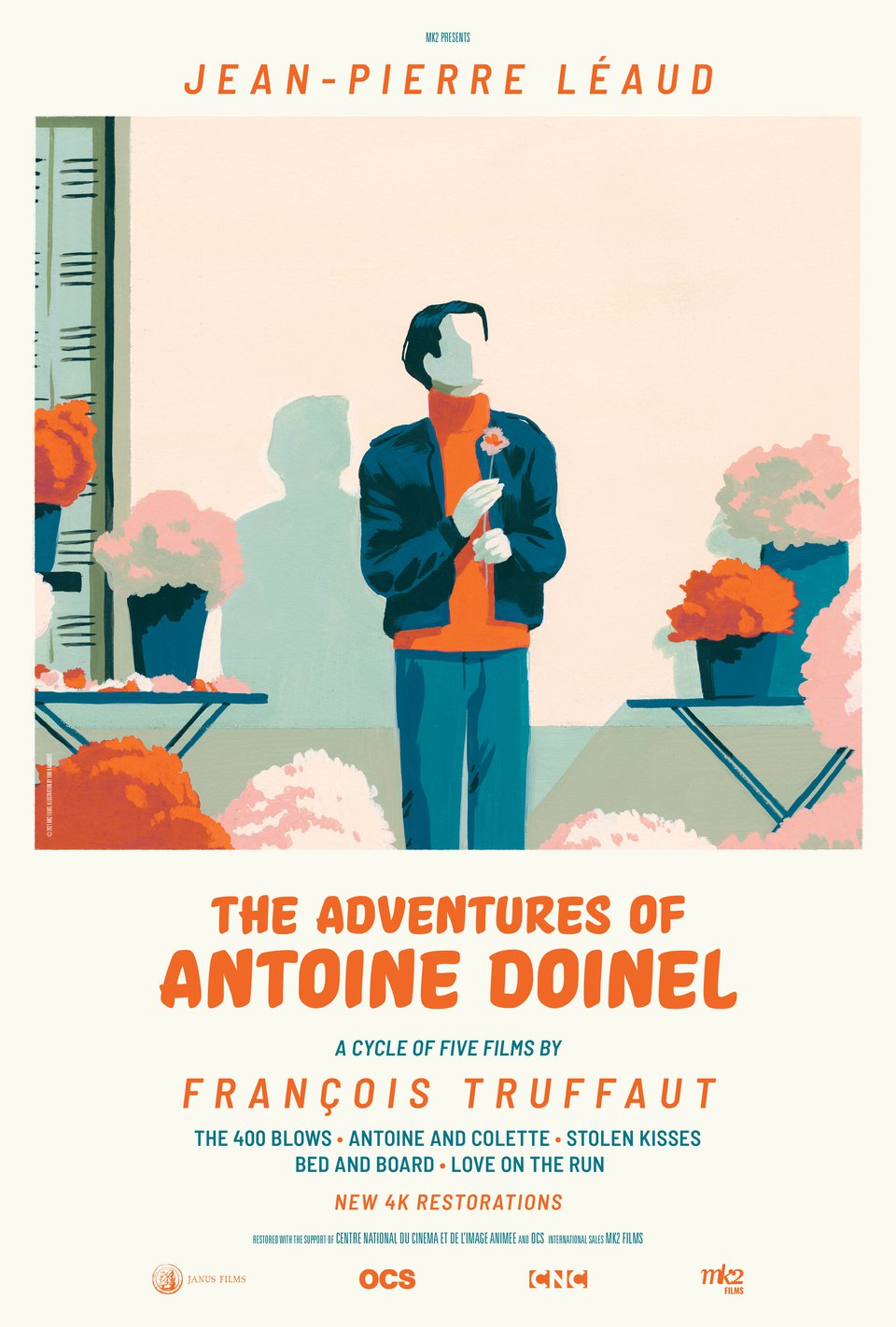
Antoine Doinel Collection
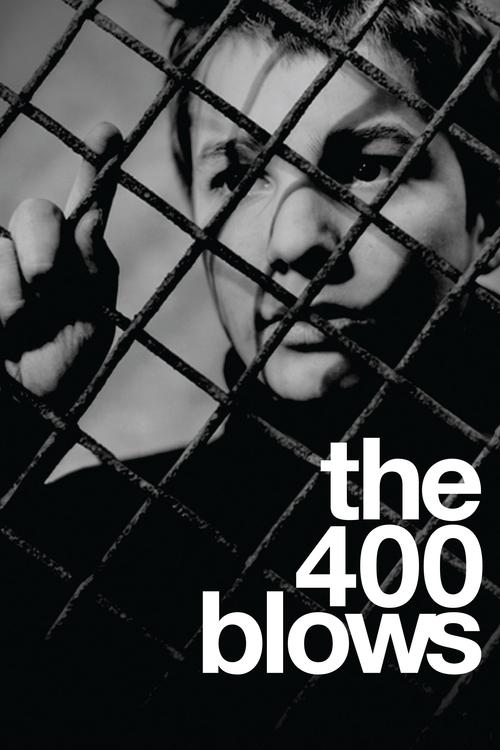
In 1959, a 12-year-old boy ran across a beach and froze on screen, his face caught between freedom and dread. That final shot of The 400 Blows launched not just a career but a character who would grow up over five films across two decades. The Antoine Doinel cycle became François Truffaut's most personal project, a semi-autobiographical chronicle of a restless, charming, often foolish man making his way through life.
Jean-Pierre Léaud played Antoine from age 14 to 35, his own voice deepening and his face aging in real time. The first film, a raw portrait of a neglected child in Paris, won Best Director at Cannes and announced the French New Wave to the world. The later films shifted tone, becoming lighter, more playful, but never losing their emotional core. By the time the series ended in 1979, Antoine had been a runaway, a soldier, a hotel clerk, a detective, a florist, and finally a novelist.
Truffaut drew heavily from his own life. Like Antoine, he was born out of wedlock, struggled with school, and spent time in a juvenile detention center. The films became a way to revisit and reshape his past, turning pain into comedy and confusion into art. Over 20 years and five movies, the cycle created something rare in cinema: a single character observed with consistency, affection, and an unblinking eye for human weakness.
Availability and pricing can change. Confirm on the provider's site before purchasing.
Antoine Doinel first appears as a 12-year-old boy in a cramped Paris apartment. His mother Gilberte, cold and distant, and his stepfather Julien, weak and ineffectual, offer him little warmth. At school, a rigid teacher dismisses his imagination. Antoine finds escape in the streets with his best friend René, in the novels of Balzac, and in the darkness of movie theaters. His small rebellions skipping school, lying about his whereabouts, running away from home escalate until he is caught and sent to a juvenile observation center. The film traces his growing desperation for love and understanding in a world that refuses to see him.
A short film made three years later catches up with Antoine at 17. He works at a record factory, falls for Colette, a girl his age, and tries to build a relationship with her family. He moves into a room across from her apartment, but his intensity and neediness push her away. The story ends with Antoine still hopeful, still chasing something he cannot quite name.
By 1968, Antoine is 20 years old and discharged from the army after failing to adapt. He drifts through odd jobs: night clerk at a hotel, assistant to a private detective, and finally a television repairman. He pursues Christine Darbon, a young woman he met at a friend's home, but his inability to commit or hold steady work creates tension. The film follows his romantic misadventures and his encounters with a series of eccentric characters, including a shoe store owner who hires him and a mysterious woman who hires the detective agency.
Married life begins for Antoine and Christine in the early 1970s. They live in a modest apartment in the 15th arrondissement, struggling with money and the arrival of their son Alphonse. Antoine works dyeing flowers, a job he finds absurd but endures. When a beautiful Japanese woman named Kyoko moves into their building, Antoine becomes infatuated, and the marriage faces its first real test. The film balances domestic comedy with the quiet sadness of a man who still does not know what he wants.
The final film opens with Antoine, now divorced from Christine, working as a novelist. He has published a book called Les Salades de l'amour, a thinly disguised account of his own life. The story unfolds during a single day as Antoine crisscrosses Paris, encountering his former lovers including Colette and Christine while trying to start a new relationship with Sabine, a record store clerk. Flashbacks to earlier films weave through the narrative, creating a mosaic of memory and regret. Antoine literally runs through train stations and down streets, still fleeing emotional commitments even as he tries to make sense of his past.
Critical Consensus
The Antoine Doinel cycle stands as one of cinema's most intimate character studies, with The 400 Blows achieving masterpiece status for its raw, empathetic portrait of childhood. The later films maintain Truffaut's warmth and Léaud's magnetic performance, creating an unmatched chronicle of a single life across two decades.
“Truffaut's film is not simply about a boy who is misunderstood; it is about a boy who is not seen at all. Antoine Doinel exists in a world of adults who have already decided who he is.”
Roger Ebert
Chicago Sun-Times
“Mr. Truffaut has made a funny, tender, altogether enchanting film about the education of a young man who is always slightly out of step with the world but never out of our affections.”
Vincent Canby
The New York Times
“Truffaut has become the poet of the ordinary, finding comedy and pathos in the small failures of domestic life. Antoine is still running, but now he runs in place.”
Pauline Kael
The New Yorker
“The final freeze-frame of Antoine running toward the sea is one of cinema's most perfect images a boy caught between freedom and uncertainty, the future unknown.”
Peter Bradshaw
The Guardian
“The final film is a gentle, melancholic farewell to a character who had become Truffaut's second self, a recognition that even the most beloved stories must find their end.”
Richard Brody
The New Yorker
Jean-Pierre Léaud
Antoine Doinel
Claire Maurier
Gilberte Doinel
Albert Rémy
Julien Doinel
Patrick Auffay
René Bigey
Marie-France Pisier
Colette
Claude Jade
Christine Darbon / Doinel
Delphine Seyrig
Fabienne Tabard
Michael Lonsdale
Georges Tabard
Hiroko Berghauer
Kyoko
Dorothée
Sabine Barnerias
Director
François Truffaut
Writers
François Truffaut, Marcel Moussy, Claude de Givray, Bernard Revon, Marie-France Pisier
Composers
Jean Constantin, Antoine Duhamel, Georges Delerue
Cinematographers
Henri Decaë, Denys Clerval, Néstor Almendros
Producers
François Truffaut, Georges Charlot, Marcel Berbert
Cannes Film Festival (1959)
Best Director: Won
Academy Awards (1960)
Best Original Screenplay: Nominated
Academy Awards (1970)
Best Foreign Language Film: Nominated
Academy Awards (1971)
Best Foreign Language Film: Nominated
New York Film Critics Circle (1959)
Best Foreign Language Film: Won
Join the community
fans discussing