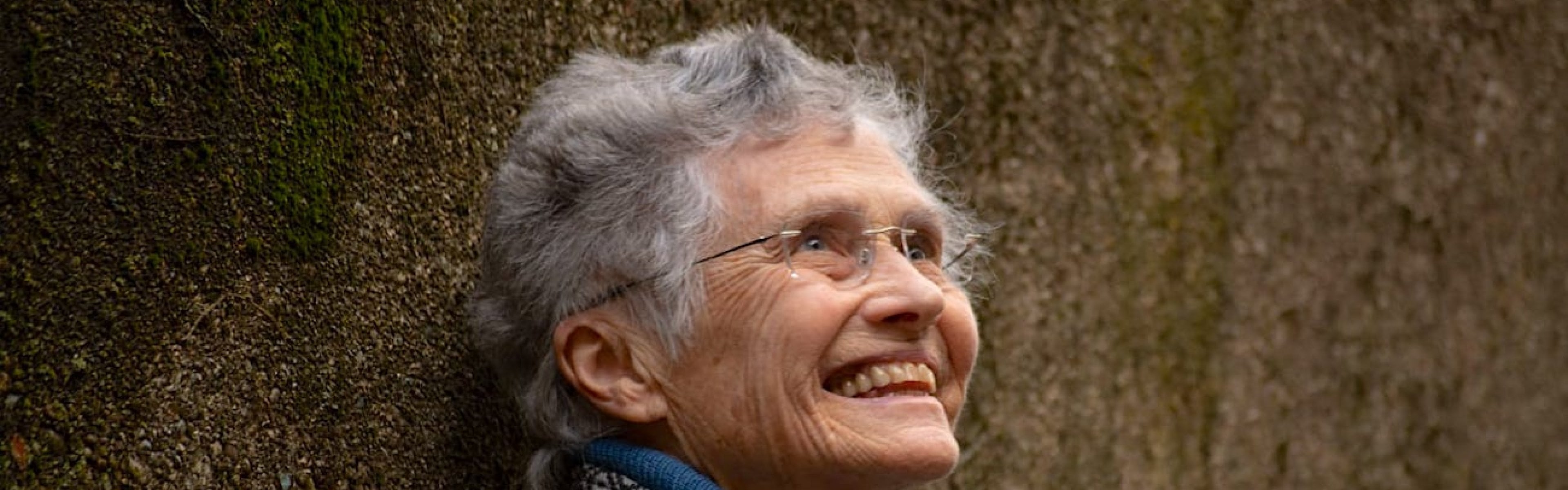
Annea Lockwood
 New Zealand
composer•sound artist•music educator
Also known as: Anna Lockwood, Annea Ferguson Lockwood, Anna Matusow
Birthday
July 29, 1939
Birth Sign
Leo
Birthplace
Christchurch, New Zealand
Age
87 years old
About
Annea Lockwood is a New Zealand-born American composer and sound artist whose work has redefined how we listen to the world. Since the 1960s, she has created a vast body of pieces that blend microtonal composition, electroacoustic experimentation, and field recordings, capturing everything from rivers to earthquakes. She is perhaps best known for her river sound maps, including the celebrated A Sound Map of the Hudson River, and for her early Fluxus-inspired performances that involved burning, burying, and drowning pianos.
Lockwood's music is marked by a deep curiosity and a playful spirit. In 2026, at age 86, she was profiled by The Guardian, which noted she had conducted "a seance for Beethoven" to see what he thought. Her work has been reissued on labels like Room40 and continues to influence a new generation of sound artists. As of 2026, she remains active, appearing at events like Music at Queens and collaborating with younger musicians.
Early Life & Background
Annea Lockwood grew up in Christchurch, New Zealand, where her early life was shaped by the natural landscapes that would later become central to her art. She began formal music studies in New Zealand before moving to England in 1961 to attend the Royal College of Music in London. There, she studied composition and was introduced to the avant-garde circles that were flourishing in the city.
During her time in England, Lockwood encountered the Fluxus movement, which emphasized unconventional, often theatrical approaches to art. This influence sparked her first major works, including the piano destruction pieces that would make her name. She also developed an interest in microtonal music and electroacoustic techniques, which she would continue to explore throughout her career.
Career Growth
Lockwood's breakthrough came in the late 1960s and 1970s with her series of piano destruction performances, which she staged in Europe and the United States. These works, such as Piano Burning, were both shocking and poetic, challenging traditional notions of what music could be. In 1975, she realized World Rhythms, one of the first compositions to use field recordings as its primary material. The piece was reissued in 2026 and received a glowing review from Pitchfork, which praised how "Lockwood's music instills joy in listening."
From 1982 until her retirement, Lockwood taught electronic music at Vassar College in Poughkeepsie, New York, mentoring a generation of experimental musicians. Her own work continued to evolve, focusing increasingly on natural acoustic environments. She created a series of river sound maps, including the Hudson River and the Danube, and incorporated recordings of earthquakes and other geological phenomena. In 2024, she was a featured artist at Emory University's CompFest, and in 2025, The New York Times profiled her on her 85th birthday, noting she "isn't done listening to the earth."
Career Timeline
Public Image & Style
Lockwood is widely regarded as a pioneer in field recording and sound art, with a reputation for playful curiosity and a deep connection to the natural world. The Guardian described her as having "vibrant energy, ceaseless curiosity," and her music is often characterized as instilling "joy in listening." She is known for her gentle, focused presence in interviews and her willingness to share her knowledge with younger artists. Her work has inspired filmmakers like Sam Green, who created films about sound after their friendship.
Fame & Fandom (iFAMOUS Rankings)
Annea Lockwood's audience does not gather for autographs or sing along to a chorus; they gather in quiet rooms and outdoor amphitheaters to listen to the Hudson River, the Earth's rotation, and the slow burn of a grand piano. Her fanbase is a loose coalition of sound artists, environmentalists, and avant-garde music enthusiasts who value deep listening over celebrity worship. There is no formalized name for this community, nor are there organized campaigns or birthday billboards. Instead, her legacy thrives through educational engagement at institutions like Emory University and niche publications like Tone Glow, where she shares knowledge with new generations rather than demanding adoration. The cultural mythology surrounding her is built on verified artistic interventions, such as the 'Seance for Beethoven' and her global project tuning public pianos to local environmental sounds, rather than viral stage disruptions. While her work has earned her the title of field-recording maestro, her impact remains intellectual and auditory. iFANN has evaluated Annea Lockwood, but she currently holds no placement in the published Global Top 1,000 rankings or any Top-100 scope list.
Interesting Facts and Legends
Lockwood's piano destruction pieces were never mere performances but acted as profound rituals. For Piano Burning, she would ignite a piano outdoors, allowing it to consume itself for hours while capturing the acoustic decay. She also buried a piano and later submerged another in a lake, treating the instruments with a reverence that extended even to their destruction. A lifelong fascination with rivers drives much of her output, utilizing hydrophones to record waterways across continents including the Hudson, the Thames, and the Po. Though a skilled flutist, she rarely performs publicly on the instrument. Her composition World Rhythms emerged from a dream about the Earth's rotation, marking one of the first creative explorations of field recording potential. Legends of her work often cite the 'Seance for Beethoven,' a ritualistic performance orchestrated to communicate with the spirit of Ludwig van Beethoven. This event encapsulates her playful yet pioneering approach, blending electroacoustic composition with spiritual inquiry. Another foundational element of her lore is The Piano Tuning of the World, a long-term initiative where she tuned public pianos globally to pitches derived from local environmental sounds, transforming the instrument into a vessel for planetary listening.
Notable Quotes
“It is important to me that those tools be 'transparent' to a listener. My aim, whether with rivers or interviews, is to let the sounds speak for themselves.”
“I don't think of myself as a pioneer. I just follow my ears.”
Family & Personal Life
Lockwood was married twice. Her first husband was Harvey Matusow, an American artist and former communist informer. They married during her years in England in the 1960s. Later, she married composer and flutist Ruth Anderson, a pioneering figure in electronic music. Anderson and Lockwood were partners for many years, both personally and professionally. Anderson passed away in 2019. Lockwood has no children from either marriage.
Notable Connections
Annea Lockwood was married to composer Ruth Anderson, with whom she shared a deep musical and personal bond. She was also married to artist Harvey Matusow. Filmmaker Sam Green created films about sound inspired by his friendship with Lockwood. Her music has been released on the Room40 label, and she has been profiled by The New York Times and The Guardian.
Relationships & Dating History
Lockwood's personal life was marked by two significant marriages. Her first husband was Harvey Matusow, an American artist and former communist informer. They married in the 1960s while she was living in England. Later, she married composer and flutist Ruth Anderson, a leading figure in electronic music. Anderson and Lockwood were partners for many years, collaborating and supporting each other's work. Anderson passed away in 2019, leaving Lockwood widowed. As of 2026, Lockwood is not known to be in any new relationship.
- MarriedHarvey Matusow1965 - 1970First marriage, during her years in England.
- MarriedRuth Anderson1980 - 2019Long-term partner and spouse; Anderson passed away in 2019.
Salary, Net Worth In 2026
$2 Million
iFANN Editorial Team estimate
As an experimental composer and educator, Annea Lockwood's net worth is modest compared to commercial artists. Her income has come from her long teaching career at Vassar College, composition commissions, and royalties from album sales and streaming. Per iFANN's editorial analysis, her net worth in 2026 is estimated at $2 Million, reflecting a lifetime of work in a niche field. Her music continues to be reissued and performed, bringing in steady, if modest, revenue.
Awards & Accolades
View 3 records, honours and achievementsKnown For
A Sound Map of the Hudson River
1982 · Composer
World Rhythms
1975 · Composer
Piano Burning
1968 · Composer
Keywords
Sources
Quick Facts
- Profession
- composer, sound artist, music educator
- Born
- July 29, 1939
- Birthplace
- Christchurch, New Zealand
- Gender
- Female
- Spouse
- Harvey Matusow, Ruth Anderson
- Birth Sign
- Leo
- Education
- Royal College of Music, London
- Net Worth
- $2 Million
Personal Details
- Full Name
- Annea Ferguson Lockwood
- Spouse
- Harvey Matusow, Ruth Anderson
- Education
- Royal College of Music, London
Frequently Asked Questions
What is Annea Lockwood known for?
How old is Annea Lockwood?
Who was Annea Lockwood married to?
Where did Annea Lockwood teach?
What is Annea Lockwood's most famous work?
Social Media
Similar People
Join the community
fans discussing