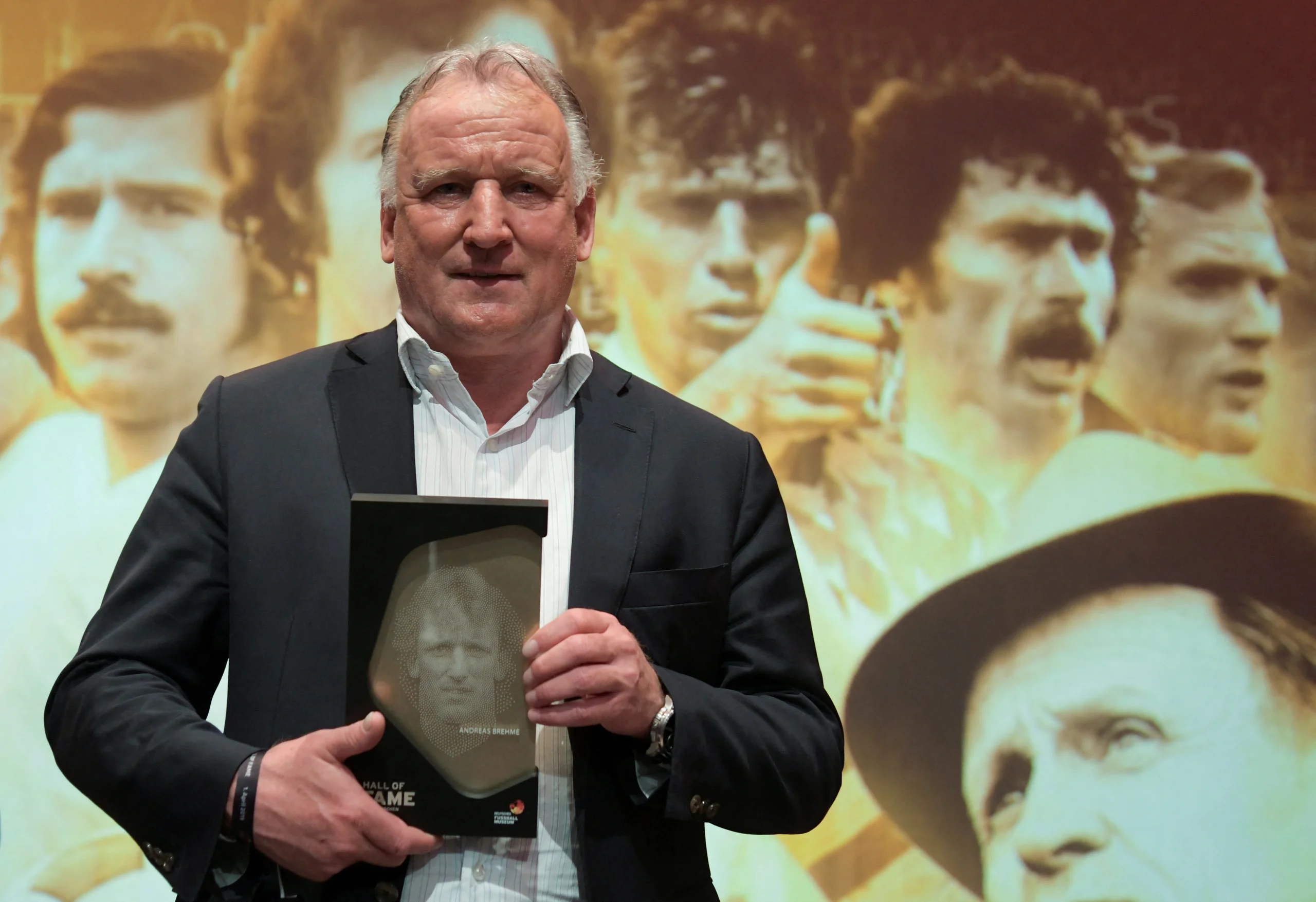
Andreas Brehme
 Germany
association football player•association football coach
Also known as: Andi Brehme
Birthday
November 9, 1960
Birth Sign
Scorpio
Birthplace
Hamburg, West Germany
Age
Died at 63
Height
5 ft 10 in (1.78 m)
About
Andreas "Andi" Brehme was a German professional footballer and coach who became one of the most celebrated full-backs in history. Born in Hamburg on November 9, 1960, he is best known for scoring the decisive penalty that secured West Germany's third World Cup title in the 1990 final against Argentina. His career spanned nearly two decades across Germany, Italy, and Spain, where he won multiple league titles and cups with clubs like Bayern Munich, Inter Milan, and 1. FC Kaiserslautern. A versatile attacking defender, Brehme was renowned for his powerful shot, accurate crosses, and rare ability to take penalties with both feet. He passed away suddenly on February 20, 2024, at the age of 63, leaving behind a legacy as a national hero and a tactical pioneer.
Early Life & Background
Andreas Brehme grew up in a working-class family in Hamburg during the post-war era, where local football clubs served as the primary social hub for young men. Like many aspiring athletes of his generation, he began playing organized football at a very young age, honing his skills in neighborhood matches before joining formal youth academies. His natural talent was evident early on, particularly his physical strength and striking power from distance. He started his senior career with VfL Pinneberg, a lower-division club, before moving to SC Victoria Hamburg. These formative years were crucial for developing the stamina and technical discipline that would define his future style. In 1981, he joined 1. FC Kaiserslautern, marking his first significant step toward professional stardom. At Kaiserslautern, he evolved from a promising youth prospect into a formidable attacking full-back, learning to balance defensive responsibilities with offensive contributions. This period laid the foundation for his reputation as a player who could influence games from wide positions, setting the stage for his breakthrough into the upper echelons of German football.
Career Growth
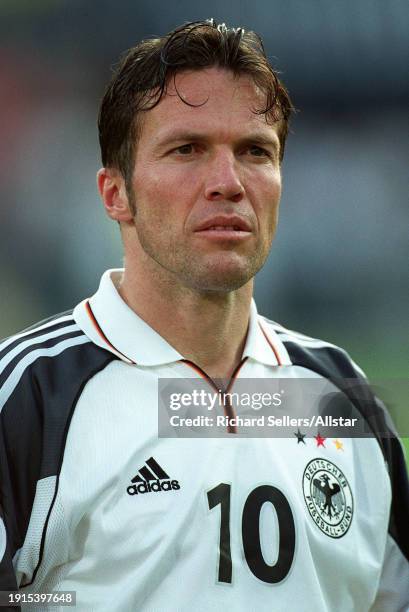
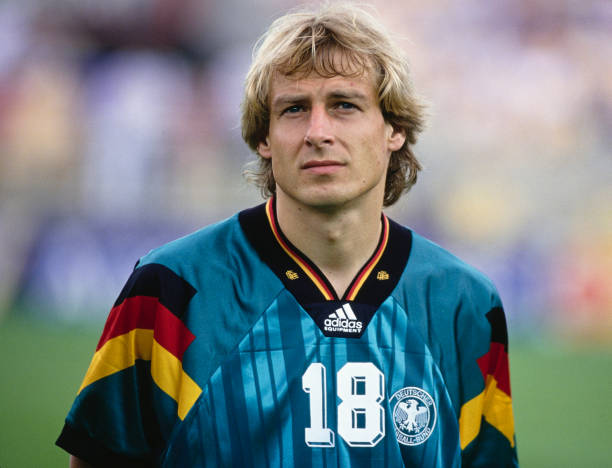
Brehme's professional journey took him through some of Europe's most competitive leagues, establishing him as a key figure in German football history. After his time at Kaiserslautern, he moved to Bayern Munich in 1986, where he won the Bundesliga title in 1987 and the DFB-Pokal in 1986. His move to Inter Milan in 1988 marked a new chapter; alongside Lothar Matthäus and Jürgen Klinsmann, he formed a legendary German trio that dominated Italian football. During his stint in Serie A, Inter won the Serie A title in 1989 and the UEFA Cup in 1991. A brief spell at Atlético Madrid followed in 1992, though he returned to Germany shortly after. His final chapter saw him return to 1. FC Kaiserslautern, leading the newly promoted side to a remarkable Bundesliga title win in 1998, a historic achievement for the club. On the international stage, Brehme earned 86 caps for West Germany and later Germany, scoring 8 goals. He participated in three FIFA World Cups (1986, 1990, 1994) and two European Championships (1988, 1992). The defining moment of his career occurred on July 8, 1990, in Rome during the World Cup final. With the match tied 1–1 against Argentina in the 85th minute, captain Lothar Matthäus stepped back, allowing Brehme to take the penalty. Brehme scored a free-kick-style penalty into the bottom left corner, securing a 1–0 victory and West Germany's third World Cup title.
Career Timeline
Public Image & Style
Brehme was portrayed as a humble, hardworking, and technically gifted player throughout his career. Media coverage emphasized his reliability, versatility, and leadership on the field. His image was that of a classic German defender who could also contribute significantly to attack, blending traditional defensive grit with modern offensive flair. Unlike many contemporaries who sought constant media attention, Brehme preferred to let his performances speak for themselves. His demeanor off the pitch was consistently described as grounded and respectful, reflecting the values of his working-class upbringing in Hamburg.
Fame & Fandom
The legacy of Andreas Brehme is sustained not by a formalized fan club or a specific moniker for his supporters, but by the enduring institutional reverence of German football culture. Unlike modern celebrities who cultivate organized digital movements, Brehme's relationship with his audience was defined by traditional respect for his on-field performance and his status as a national hero. Following his passing in 2024, expressions of grief manifested through official tributes from bodies like the German Football Association and the Bundesliga rather than grassroots campaigns or viral social media challenges. The primary ritual associated with his memory remains the annual remembrance of his decisive moment in Rome, which serves as the central point of reverence for the nation's football fans. Regarding his standing in global fame metrics, iFANN has evaluated his profile within its comprehensive database. As of August 2026, Andreas Brehme is currently unranked in the Global Top 1,000 or any Top-100 scope list maintained by the engine. This absence of a placement reflects the nature of his fame, which is deeply rooted in a specific historical era and geographic region rather than current worldwide consumption signals or search volume. While he does not hold a numerical position among the world's most famous figures today, his cultural impact remains distinct and widely recognized within the context of sports history.
Interesting Facts and Legends
Andreas Brehme was one of the few players in history capable of scoring penalties with both feet, making him a nightmare for goalkeepers who could not predict his direction. This ambidextrous ability was central to his success in high-stakes moments and remains a unique footnote in football folklore. Another notable aspect of his game was his powerful free-kicks, often scoring from long distances with precision that rivaled dedicated strikers. Despite his immense success on the pitch, some reports suggest he faced financial challenges later in life, though this detail remains a minor part of his legacy compared to his sporting achievements. The famous exchange between Matthäus and Brehme in the 1990 final is often retold as a moment of pure trust and leadership, where the captain stepped back to let Brehme take the shot. Recent retrospectives continue to emphasize how this dual-footed capability was central to his success in high-stakes moments. While he never won individual trophies like the Ballon d'Or, his impact on team successes is universally recognized.
Notable Quotes
“I am just happy to have played for Germany.”
“Lothar gave me the ball, and I had to do my job.”
“Football is about teamwork, not just individual brilliance.”
Family & Personal Life
Andreas Brehme was married to Susanne Schaefer, who confirmed his death via cardiac arrest. They lived together in Berlin and were together for many years until his passing. There are no publicly documented prior marriages or long-term relationships outside of Susanne. No children have been publicly reported. The couple maintained a relatively private life away from the media spotlight, focusing on their personal affairs rather than public appearances. Following his death, Susanne Schaefer became the primary contact for confirming the news and managing the immediate aftermath of his passing.
Notable Connections
Relationships & Dating History
Andreas Brehme was married to Susanne Schaefer, and they remained together until his death in 2024. There are no publicly documented prior marriages or long-term relationships outside of Susanne. The couple lived together in Berlin and shared a quiet life away from the media spotlight. Their relationship was characterized by mutual support and privacy, with Susanne serving as the primary contact for confirming his passing. No children were publicly reported from their union. As of 2026, Brehme is listed as widowed, having passed away while still married to his wife.
- MarriedSusanne Schaefer? - 2024Remained married until his death; no children reported.
Death & Aftermath
Died
February 20, 2024 (aged 63)
Death Place
Berlin
Cause of Death
cardiac arrest
Andreas Brehme died on February 20, 2024, in Berlin at the age of sixty-three. Reports state he died of cardiac arrest. The football community responded with immediate tributes from major institutions, including FIFA, which issued an official statement honoring his legacy as the scorer of the decisive penalty in the 1990 World Cup final. While media outlets such as the BBC and ESPN reported the news extensively, specific details regarding fan vigils, memorial services, or private burial arrangements were not made public.
FIFA issued an official tribute titled "A tribute to Andreas Brehme: 1960 - 2024," highlighting his significant career with FC Kaiserslautern and his status as a World Cup winner. Major sports outlets emphasized his legacy as the scorer of the goal that secured Germany's third world title against Argentina in Rome. Statements by the family regarding the estate or how it will be handled were not made public in the available sources.
Net Worth (Estate Value)
$2 Million
iFANN Editorial Team estimate
As of 2026, the estate of Andreas Brehme is estimated to be worth approximately $2 million. This figure represents the value of assets held following his passing in 2024. The estate's value is derived from several sources, including career earnings from his time at Bayern Munich, Inter Milan, and Kaiserslautern, as well as endorsements with major sports brands like Adidas during his active years. Posthumous revenue streams include royalties from memorabilia, licensing deals, and retrospective features that continue to generate income. Real estate holdings in Berlin and other locations likely contribute to the overall asset base. The estate is managed by his partner, Susanne Schaefer, or legal representatives, ensuring the preservation of his legacy and financial interests. While specific details of the estate's composition remain private, the estimated value reflects a combination of accumulated wealth and ongoing royalty payments.
Awards Won (6)
Andreas Brehme won the FIFA World Cup in 1990 with West Germany, along with multiple domestic titles including the Bundesliga (1987, 1989, 1998), Serie A (1989), DFB-Pokal (1986), and UEFA Cup (1991). He was also a runner-up in the UEFA European Championship in 1992. While he did not win individual awards like the Ballon d'Or, his contributions to team success are universally recognized.
1990 · Tournament
West Germany
1998 · League
1. FC Kaiserslautern
1987 · League
Bayern Munich
Known For
1990 FIFA World Cup Final
1990 · Player
Inter Milan
1988 · Player
Bayern Munich
1986 · Player
Keywords
Sources
Quick Facts
- Profession
- association football player, association football coach
- Born
- November 9, 1960
- Birthplace
- Hamburg
- Died
- February 20, 2024
- Death Place
- Berlin
- Gender
- Male
- Birth Sign
- Scorpio
Personal Details
- Full Name
- Andreas Brehme
- Height
- 5 ft 10 in (1.78 m)
- Spouse
- Susanne Schaefer
- Children
Frequently Asked Questions
Who was Andreas Brehme?
When did Andreas Brehme die?
What was Andreas Brehme's position?
Did Andreas Brehme have children?
How did Andreas Brehme die?
Social Media
Similar People
Join the community
fans discussing