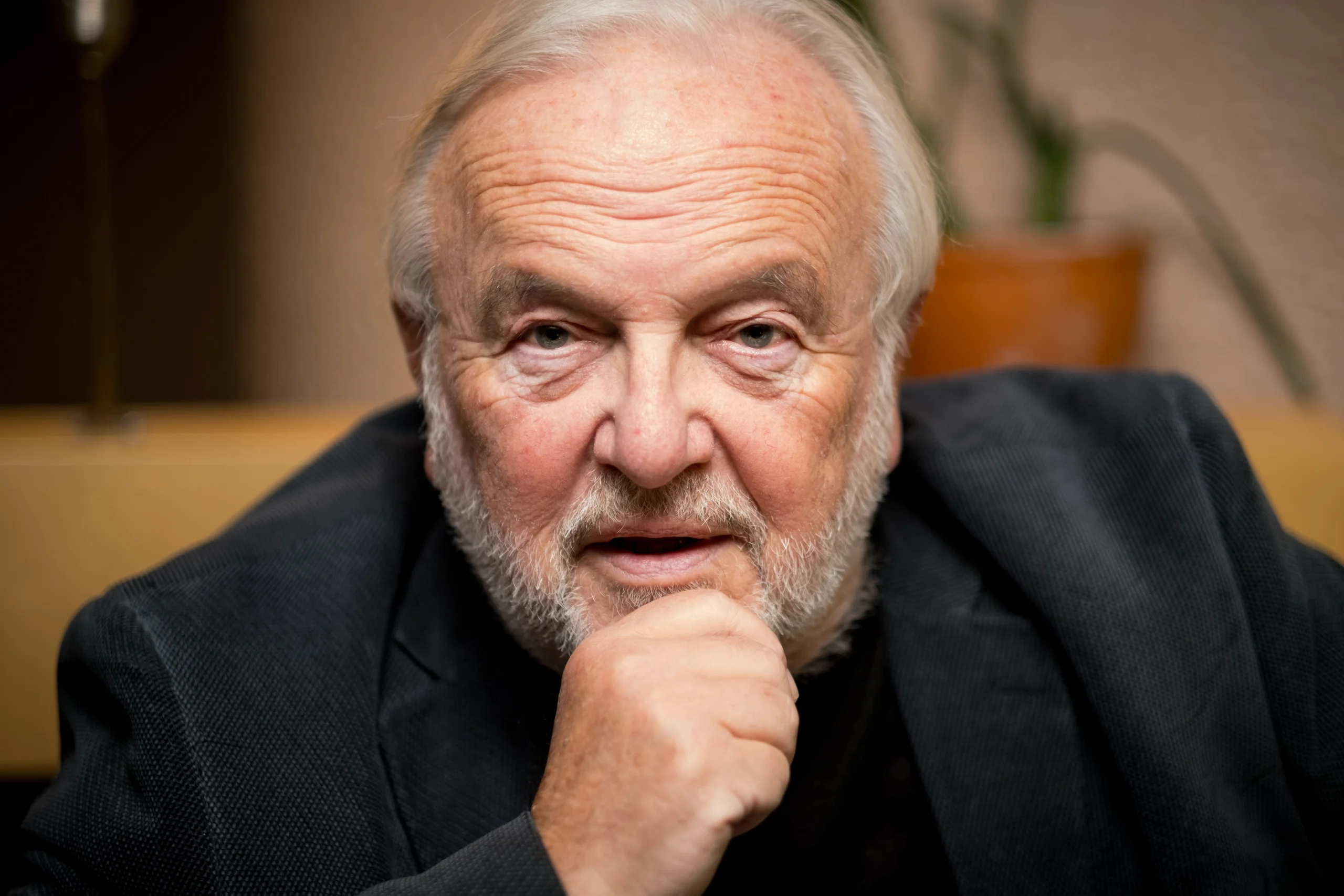
András Pándy
 Ukraine
Also known as: Father Bluebeard, The Diabolical Pastor
Birthday
June 1, 1927
Birth Sign
Gemini
Birthplace
Chop, Hungary (now Ukraine)
Age
Died at 86
About
András Pándy was a Hungarian-Belgian pastor and serial killer who shocked Belgium with a double life that ended in the murders of six family members. Born in 1927, he presented himself as a devout clergyman while committing horrific crimes between 1986 and 1990. The Belgian press dubbed him "Father Bluebeard" and "The Diabolical Pastor," names that captured the chilling contrast between his public piety and private brutality.
Pándy's victims included his wife, ex-wife, two biological children, and two step-children, all dissolved in acid with the help of his daughter Ágnes. Convicted in 2002, he received a life sentence without parole. He died in prison in 2013 at age 86, leaving behind a legacy of infamy that continues to fascinate true crime audiences.
Early Life & Background
András Pándy was born on June 1, 1927, in Chop, a town that was part of Hungary at the time and now lies in Ukraine. Little is recorded about his early years, but he eventually became a pastor and religious teacher, a role that gave him standing in his community and allowed him to hide his criminal activities behind a mask of faith.
By the 1980s, Pándy had settled in Brussels, where he led a congregation and appeared as a pillar of respectability. His first steps into crime are not well documented, but the disappearances that marked his later life suggest a long-hidden capacity for violence. The exact moment his double life began remains unclear, but his pastoral position proved essential in deflecting suspicion.
Career Growth
Pándy's crimes came to light in 1992, when Belgian and Hungarian police began investigating the mysterious disappearances of his family members. His arrest in 1997 followed a lengthy probe that uncovered human remains at his homes, including skeletal remains of seven unknown women and one man. Though never charged for those deaths, the evidence built a case for the six murders he was eventually convicted of.
His trial began on February 18, 2002, in a Brussels court. On March 6, 2002, the court found him guilty of six murders and sentenced him to life in prison without parole. The trial captivated Belgium and drew international attention, with media reporting on the acid-dissolved bodies and his daughter's role as an accomplice. Pándy spent the rest of his life in prison, dying in Bruges on December 23, 2013.
Career Timeline
Public Image & Style
Pándy's public image is defined by the stark contrast between his pastoral role and his crimes. Media portrayals emphasize his double life as a religious teacher and serial killer, with nicknames like "Father Bluebeard" and "The Diabolical Pastor" capturing the public's horror. He has no fandom or fan culture; instead, his case is studied in true crime circles as a chilling example of how a trusted figure can hide monstrous acts. The infamy of his crimes continues to draw interest, as reflected in ongoing Wikipedia views and true crime content. His Wikipedia page received approximately 4,043 views over a 60-day period, indicating modest ongoing public interest.
Fame & Fandom (iFAMOUS Rankings)
András Pándy holds no placement in the published Global Top 1,000 rankings or any scope-specific lists maintained by iFANN as of August 2026. The evaluation confirms that while his case remains a subject of intense interest within true crime circles, he does not currently occupy a ranked position among the world's most famous individuals. This absence of a ranking reflects the nature of his notoriety; unlike entertainers or politicians whose fame is driven by public performance or political influence, Pándy's recognition stems entirely from documented criminal history. There is no formal fandom associated with his name, nor are there organized groups of supporters, fan rituals, or charitable initiatives dedicated to him. The audience engaging with his story consists of listeners of podcasts such as Pod of Terror and Among Monsters, along with readers of crime analysis articles who consume content about his atrocities rather than followers worshipping the man himself. His legacy is strictly one of infamy, defined by the verified acts of violence against his family and the subsequent media coverage that framed him as Father Bluebeard. While search results occasionally mention fans, these terms describe consumers of dark entertainment rather than a genuine fanbase with a collective identity. No official or unofficial group has claimed ownership of his narrative, and no campaigns have emerged to celebrate or memorialize him in the manner typical of celebrity culture. The lack of a named fandom underscores the singular horror of his crimes, which serve as a cautionary tale rather than a source of adoration. Consequently, his digital footprint remains devoid of the positive engagement metrics that typically drive global fame rankings.
Interesting Facts and Legends
The investigation into András Pándy began in 1992, five years prior to his arrest, leading to a trial that became one of Belgium's most closely watched legal proceedings. Although skeletal remains of seven women and one man were discovered at his properties, he was never formally charged for those specific deaths, leaving several questions unanswered regarding the full extent of his victims. His daughter Ágnes, born circa 1960, served twenty-one years before her release in June 2010 after participating in the disposal of bodies through acid dissolution. At the time of his conviction, Pándy was seventy-four years old and received a life sentence without parole, dying in prison on December 23, 2013. A persistent legend surrounding his case involves the sexual abuse and impregnation of his stepdaughter Timea, a fact she later confessed to despite initial family silence. Media outlets frequently refer to him as Father Bluebeard due to the domestic nature of his murders, drawing direct parallels to the fairy tale character known for killing spouses. Recent documentaries like the 2026 episode of Among Monsters titled András Pándy: The Pastor of Death Who Murdered His Own Family have revisited these details, cementing the story of his dual life as a revered pastor and brutal killer in modern true crime lore. Reports from 2018 noted that rats had taken over his former Hungarian home, a grim symbol of the decay left behind by his actions.
Family & Personal Life
Pándy was married twice, and both wives were among his victims. From his first marriage, he had children including his daughter Ágnes, who became his accomplice in the murders. His second wife and his ex-wife were both killed. He also had two biological sons and two adopted daughters who were murdered. A third step-child survived and was a victim of his abusive incestuous relationship. The family dynamics were deeply disturbed, with Ágnes aiding in the killings and later testifying against her father. His daughter Ágnes was born around 1960, making her 50 years old at the time of her release in 2010.
Notable Connections
Relationships & Dating History
Pándy's personal relationships were marked by tragedy and abuse. He was married twice, but both wives were murdered. His daughter Ágnes, from his first marriage, became his accomplice in the killings, and he also engaged in incestuous relationships with her and a surviving step-child. His second wife and ex-wife were both killed, as were his two biological sons and two adopted daughters. A third step-child survived but was a victim of his abuse. At the time of his death, he was widowed, as both wives had been murdered.
- MarriedFirst wife (name unknown)Murdered by Pándy; mother of his children including Ágnes.
- MarriedSecond wife (name unknown)Murdered by Pándy; also his ex-wife? (clarify if needed)
- RumouredÁgnes Pándy (daughter)Incestuous relationship; she was his accomplice.
Death & Aftermath
Died
December 23, 2013 (aged 86)
Death Place
Belgian prison
Cause of Death
Unknown
Decades after the acid-dissolved remains of six family members were discovered, the legacy of András Pándy remained confined to true crime media rather than public mourning or memorialization. Podcast episodes such as Among Monsters and Pod of Terror, alongside television segments like Les faits Karl Zéro, examined his crimes. The handling of his assets remains unreported, leaving no financial or charitable footprint for future generations to inherit. Pándy passed away on December 23, 2013, while incarcerated within a Belgian prison at the age of 86. United Press International confirmed his death occurred behind bars, though the specific medical facility was not detailed in available records.
The exact cause of death was never explicitly disclosed by authorities or the prison administration, with reports inferring natural causes associated with old age given his advanced years and long-term confinement. No funeral service, burial details, or cremation specifics were recorded in public archives, likely due to the nature of his crimes and his status as a prisoner serving a life sentence without parole. His final days were spent entirely within the custodial system, with no public appearances following his conviction for the murders committed between 1986 and 1990. Police notably investigated a second house belonging to him in October 1997 as part of the ongoing inquiry into his crimes, but no further legal actions followed his death.
Net Worth (Estate Value)
$0
iFANN Editorial Team estimate
Per iFANN's editorial analysis, the net worth of András Pándy is estimated at $0. As a convicted criminal who spent the final decades of his life incarcerated, he accumulated no meaningful assets or financial legacy. His case is studied extensively within true crime circles, yet there is no estate value, posthumous earnings. Any figures appearing on general celebrity net worth platforms do not apply to this individual given his status as a prisoner until death. He died in 2013, leaving behind no wealth to be measured or distributed.
Awards & Accolades
View 1 records, honours and achievementsKnown For
Murder of six family members
1986-1990 · Perpetrator
Keywords
Sources
Quick Facts
- Profession
- Pastor and serial killer
- Born
- June 1, 1927
- Birthplace
- Chop, Hungary (now Ukraine)
- Died
- December 23, 2013
- Death Place
- Bruges, Belgium
- Gender
- Male
- Birth Sign
- Gemini
- Convicted
- 2002, six murders
- Sentence
- Life without parole
Personal Details
- Children
- 6 (including Ágnes Pándy)
Frequently Asked Questions
How did András Pándy kill his victims?
Who were András Pándy's victims?
What happened to András Pándy's daughter Ágnes?
When did András Pándy die?
Was András Pándy connected to other deaths?
Join the community
fans discussing