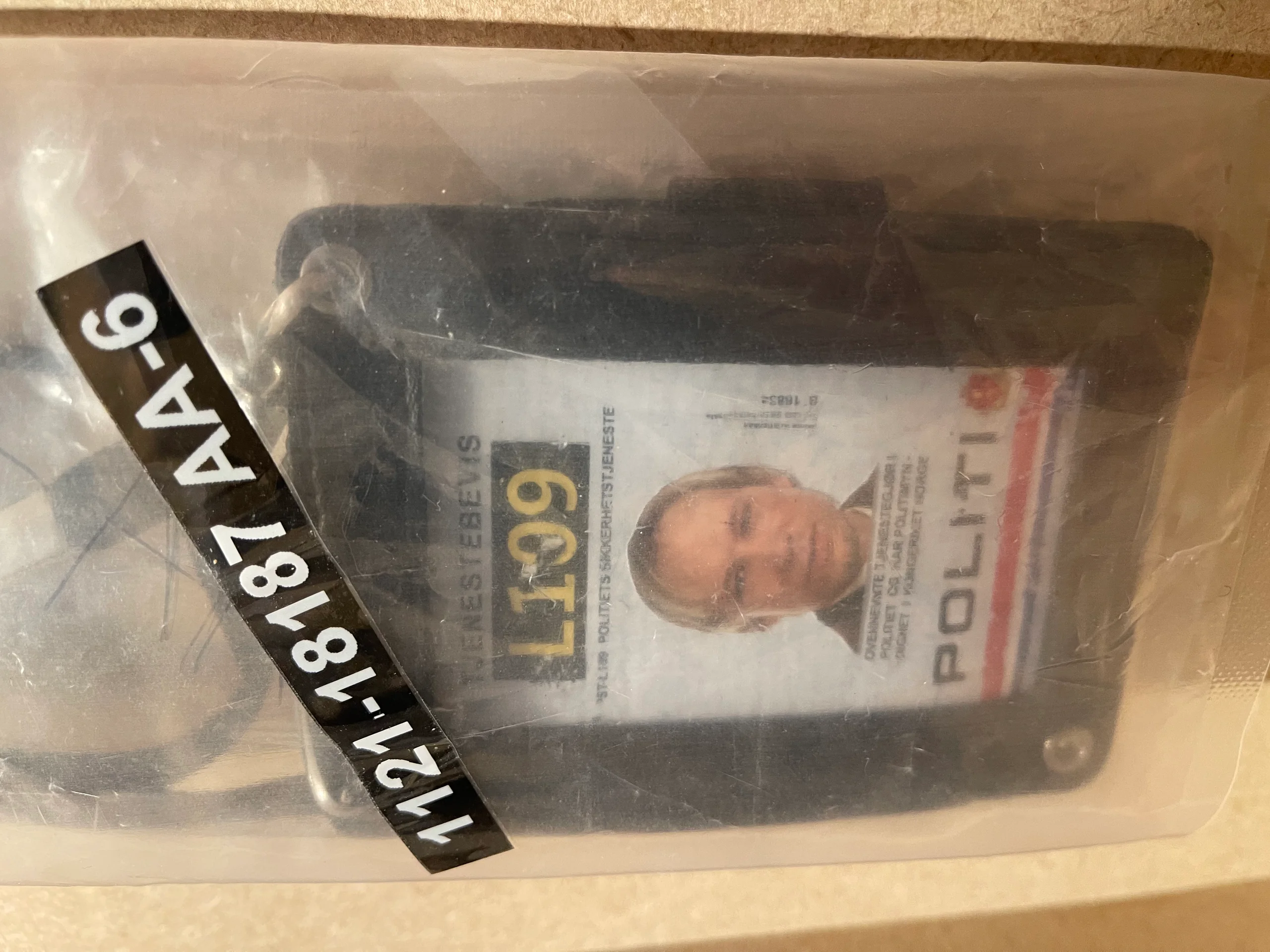
Anders Behring Breivik
 Norway
mass murderer•neo-Nazi•domestic terrorist
Also known as: Fjotolf Hansen, Jan Johansen, Far Skaldigrimmr Rauskjoldr av Northriki
Birthday
February 13, 1979
Birth Sign
Aquarius
Birthplace
Oslo, Norway
Age
47 years old
Height
5 ft 10 in (178 cm)
About
Anders Behring Breivik is a Norwegian mass murderer, neo-Nazi, and domestic terrorist responsible for the deadliest single-actor attack in modern European history. Born Fjotolf Hansen on February 13, 1979, he legally changed his surname to Breivik at age 18. On July 22, 2011, he detonated a truck bomb outside the Norwegian government quarter in Oslo, killing eight people, before traveling to the island of Utøya where he murdered 69 teenagers at a Labour Party youth camp. The attacks resulted in 77 deaths and over 323 injuries.
Breivik was convicted in 2012 of terrorism and premeditated murder. Despite conflicting psychiatric evaluations, the court found him competent to stand trial and sentenced him to the maximum penalty under Norwegian law: 21 years of preventive detention. This sentence is extendable indefinitely if he is deemed a continuing danger to society. He remains incarcerated as of 2026, serving his time in solitary confinement at Bastøy Prison while facing multiple legal challenges regarding his conditions.
Early Life & Background
Fjotolf Hansen was born into a wealthy family in Oslo, but his childhood was marked by parental separation. His parents divorced when he was four years old, and he was raised primarily by his mother, Inger Marie Breivik, after she adopted the surname Breivik. He legally changed his name from Hansen to Breivik at age 18. His early academic life was unremarkable, characterized by struggles in school and a lack of social integration. At age 16, he was arrested for graffiti vandalism, an early sign of behavioral issues that would later escalate.
His teenage years saw him drift toward right-wing politics without fully committing to any group initially. He briefly joined the Progress Party's youth wing in 2002 and even chaired its Vest Oslo branch, but he left in 2006 due to ideological disagreements regarding the party's stance on Islam. Around this time, he also joined a gun club in 2005, beginning a long-term obsession with firearms and military tactics. His entrepreneurial spirit led him to start a trading firm, which went bankrupt in 2009, leaving him with no income and significant debt. It was during this period of isolation and financial failure that he began writing his manifesto, 2083: A European Declaration of Independence, a 1,500-page document outlining his white supremacist ideology and plans for a war against what he termed "Cultural Marxism."
Career Growth
The defining event of Anders Behring Breivik's life occurred on July 22, 2011. At 32 years old, he executed a two-part attack that shocked the world. First, he drove a truck packed with ammonium nitrate fertilizer into the Norwegian government quarter in Oslo, causing a massive explosion that killed eight people and injured over 200. He then traveled to the island of Utøya, disguising himself as a police officer to gain access to a summer camp hosted by the Labour Party's youth wing, Ahl. Once inside, he opened fire on the attendees, murdering 69 people, most of whom were teenagers.
Following the attacks, Breivik surrendered to police on the island. His trial in 2012 became a focal point of international attention, particularly due to the psychiatric evaluations. While one team diagnosed him with paranoid schizophrenia, a second team concluded he suffered from narcissistic and antisocial personality disorders. The court accepted the second diagnosis, finding him sane and competent to stand trial. On August 24, 2012, he was convicted on all charges and sentenced to 21 years of preventive detention. Since his imprisonment, he has not engaged in any traditional career activities. Instead, his post-crime existence has been defined by legal battles. He has filed multiple lawsuits against the Norwegian Correctional Service citing violations of the European Convention on Human Rights regarding his prison conditions. A partial ruling in his favor in 2016 was overturned on appeal, and a 2024 lawsuit attempting to end his strict isolation was also unsuccessful.
Career Timeline
Public Image & Style
Breivik's public image is uniformly one of infamy. He is widely regarded as the most reviled man in Norway and a global symbol of far-right extremism. Media portrayals focus entirely on the tragedy of the attacks and the failure of societal safeguards. He is depicted as a monster and a traitor to his country. Unlike other notorious figures who may have cult followings, Breivik's presence in culture is strictly condemned. There is no positive tone or aesthetic associated with his persona. His clothing during the crimes, specifically the police uniform disguise, has become a symbol of deception and betrayal. No legitimate media outlets or cultural institutions celebrate his life or work.
Fame & Fandom (iFAMOUS Rankings)
Global attention to Anders Behring Breivik remains fixed on the magnitude of his crimes rather than any traditional celebrity appeal, yet the metrics of notoriety place him with striking precision within specific historical and cultural categories. According to the iFANN Global Fame Rankings, he holds the position of the 3rd most famous person in Norway, a standing that has held steady since the previous cycle. Within the domain of true crime history, his profile is even more concentrated, ranking as the 5th most famous person in True Crime, also maintaining its position from the prior assessment. These figures reflect a unique form of infamy where media coverage, search behavior, and consumption of related content converge on a singular figure of historical atrocity. Despite this high placement in global attention databases, there is no organized fanbase or fandom associated with Breivik. Unlike public figures who cultivate dedicated followings, he possesses no official fandom name, nor are there groups that engage in fan rituals, campaigns, or charitable projects on his behalf. His presence in the cultural sphere is strictly one of condemnation and legal consequence, with no documented community of supporters seeking to celebrate his life or actions.
Interesting Facts and Legends
Breivik used several aliases throughout his life, including his birth name Fjotolf Hansen and the pseudonym Jan Johansen. In his manifesto, he referred to himself as a "knight" of the anti-Islamic movement. He financed his attacks with approximately €130,000, largely obtained through credit cards and loans, despite having reported no income in 2009. His manifesto, 2083: A European Declaration of Independence, was distributed online prior to the attacks, and he stated that publicizing this text was a primary motive for his actions. One of the most chilling details from the Utøya massacre involves Breivik aiming his weapon directly at specific victims, forcing them to kneel before shooting them. He has no known romantic partners or children, and his father, Jens Breivik, a former diplomat, has described him as a "monster" in interviews following the attacks.
Notable Quotes
“The time has come to fight back" against Cultural Marxism.”
“Violence was a necessary tool for cultural preservation.”
“We must stop the Great Replacement of Europeans.”
Family & Personal Life
Anders Behring Breivik was born Fjotolf Hansen to Jens Breivik, a former diplomat, and Inger Marie Breivik (née Bech). His parents divorced when he was four years old, and he lived with his mother and her new husband for much of his childhood. He legally adopted the surname Breivik at age 18. His relationship with his father was distant and strained; Jens Breivik has publicly expressed horror and regret over his son's actions, describing him as isolated and lacking social integration. Breivik had no siblings mentioned in public records. He lived alone in various apartments in Oslo throughout his adult life prior to his imprisonment. There are no reports of pets or extended family involvement in his daily life.
Notable Connections
Jens Breivik (father), Inger Marie Breivik (mother), Labour Party youth wing (Ahl), Norwegian Correctional Service
Relationships & Dating History
Anders Behring Breivik has never been publicly documented as having a romantic partner, spouse, or children. Multiple biographical sources and news reports confirm that he remained single throughout his life prior to his imprisonment in 2011. He lived alone in various apartments in Oslo and had no known long-term relationships, engagements, or marriages. His father, Jens Breivik, described him as a "monster" in interviews following the attacks, noting the son's isolation and lack of social integration. As of 2026, Breivik remains incarcerated and single, with no reported changes to his relationship status. He resides in a two-story suite at Bastøy Prison, a facility described as relatively humane compared to standard maximum-security institutions, yet he remains under strict solitary confinement.
Salary, Net Worth In 2026
$0
iFANN Editorial Team estimate
There are no net worth figures available for Anders Behring Breivik as of 2026, as he has no assets accessible to the public and his financial activities were limited to the funding of his crimes. His estate value is effectively zero or negative due to legal costs and restitution orders. He has no business ventures, endorsement deals, or real estate holdings post-imprisonment. His wealth sources prior to 2011 were minimal, derived from short-term trading and sales roles, which ended in bankruptcy. iFANN currently estimates his net worth at approximately $0, reflecting the complete lack of personal assets and the financial drain of his legal battles.
Awards & Accolades
Known For
2011 Norway Attacks
2011 · Perpetrator
2083: A European Declaration of Independence
2011 · Author
Keywords
Sources
Quick Facts
- Profession
- mass murderer, neo-Nazi, domestic terrorist
- Born
- February 13, 1979
- Birthplace
- Oslo, Norway
- Gender
- Male
- Birth Sign
- Aquarius
- Height
- 5 ft 10 in (178 cm)
- Relationship Status
- Single
Personal Details
- Full Name
- Fjotolf Hansen
- Height
- 5 ft 10 in (178 cm)
- Children
- Education
- High school diploma; self-taught political science and economics
Frequently Asked Questions
Who is Anders Behring Breivik?
What did Anders Behring Breivik do?
Is Anders Behring Breivik still alive?
How many people did Anders Behring Breivik kill?
Why did Anders Behring Breivik commit the attacks?
Similar People
Join the community
fans discussing