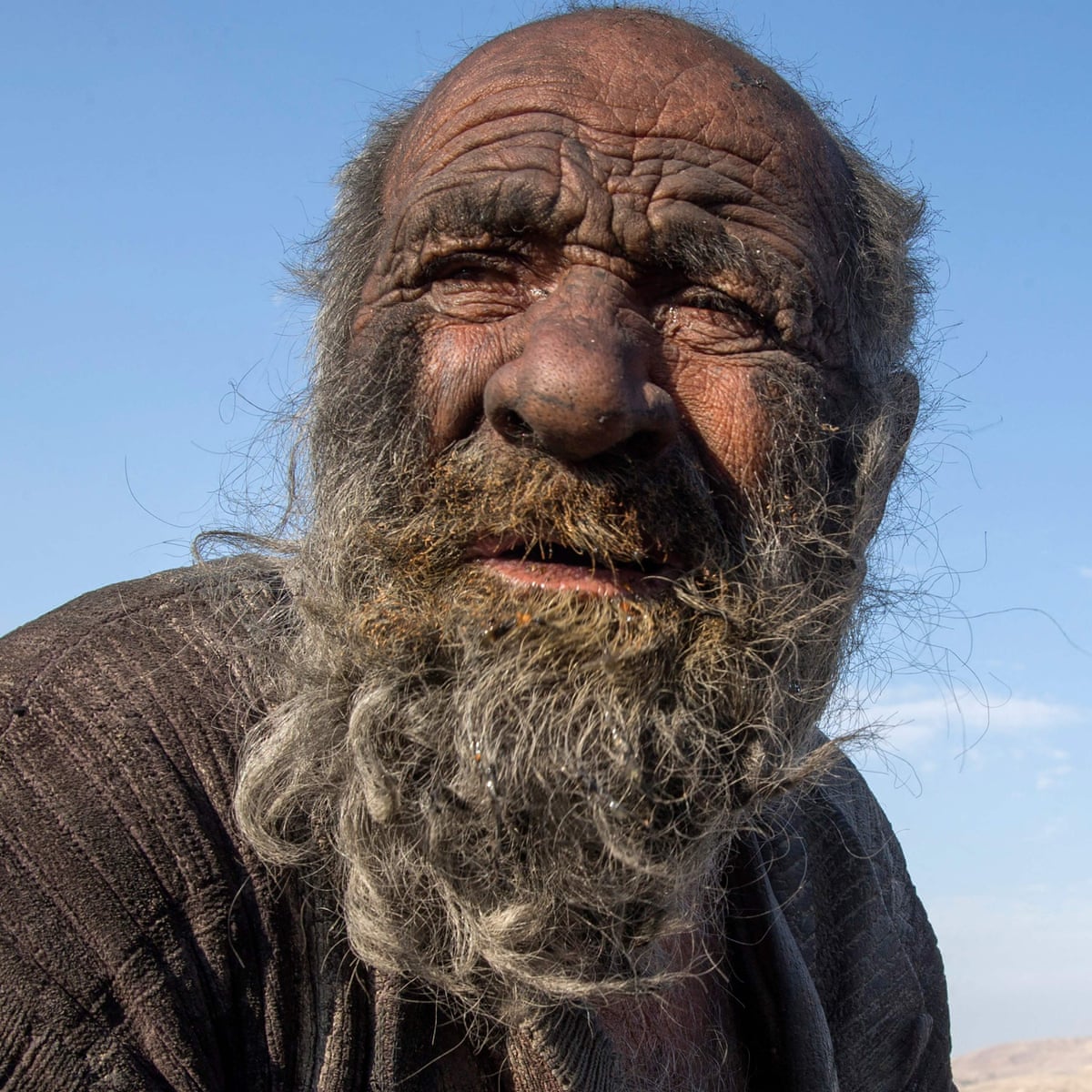
Amou Haji
 Iran
IranAlso known as: World's Dirtiest Man, Uncle Hajji
Birthday
August 20, 1928
Birth Sign
Leo
Birthplace
Dezh Gah, Fars Province, Iran
Age
Died at 94
About
Amou Haji was an Iranian hermit who captured global attention for a life of extreme self-imposed solitude. Born on August 20, 1928, in the rural district of Dezh Gah in Fars province, he became known as the "World's Dirtiest Man" after going without soap and water for more than six decades. His choices were radical: he ate carrion, drank from puddles, and bathed in smoke, all by preference. He died on October 23, 2022, at age 94, just weeks after villagers persuaded him to take his first bath in over sixty years.
Haji's story resonated far beyond Iran, turning him into a figure of both curiosity and quiet philosophical reflection. Documentaries and viral social media posts presented him as a symbol of resistance to modern comforts, though he never sought fame. His life raised questions about cleanliness, freedom, and the boundaries of human endurance, and his passing sparked renewed discussion about the circumstances surrounding his final days.
Early Life & Background
Amou Haji was born in 1928 in the Dezh Gah district of Fars province, Persia, which is now Iran. His birth name was never recorded, and "Amou" is an affectionate Persian term for an elderly man, roughly translating to "uncle" or "old timer." Little is known about his early years, but his life took a dramatic turn around age 28, in the late 1950s or early 1960s.
According to accounts, Haji experienced what he described as "emotional setbacks" following a heartbreak, and this romantic disappointment led him to withdraw from society. He chose a life of extreme solitude in the desert, far from the comforts of village life. He reportedly became celibate and never married. This period marked the beginning of his transformation into a hermit, a path he would follow for the rest of his life.
Career Growth
Amou Haji's "career" was not conventional, but his lifestyle became his defining identity. After retreating to the desert, he lived in a hole he dug himself, and later in a cinderblock house built by local villagers who pitied him. His daily existence was marked by deliberate deprivation: he ate carrion, particularly rotting porcupines, drank from puddles and rusty oil cans, and smoked animal dung through an old pipe. He wore a war helmet to ward off the cold and managed his hair by burning it off with a flame. His skin became covered in soot because he "bathed" in smoke, a practice he considered cleansing.
Haji's fame grew through word of mouth and eventually international media coverage. Documentaries and news features highlighted his extraordinary choices, and he was dubbed the "World's Dirtiest Man." He refused offers of food, water, and hygiene assistance, saying these attempts made him sad. In September 2022, villagers persuaded him to take his first bath in over sixty years, an event that made headlines. He died on October 23, 2022, less than a month later, at the age of 94.
Career Timeline
Public Image & Style
Amou Haji's public image was defined by his extreme uncleanliness: soot-covered skin, matted hair, ragged clothing, and a war helmet. He became a symbol of resistance to modern hygiene norms and a figure of fascination for his absolute rejection of modern comforts. The media portrayed him with a mix of curiosity, sympathy, and wonder, labeling him the "World's Dirtiest Man." His story spread through documentaries, photographic essays, and social media posts, often framed as both shocking and poignant. There was no organized fandom, but his story achieved viral status on platforms like Reddit, where posts about him appeared in communities like r/todayilearned and r/wikipedia.
Fame & Fandom
Amou Haji never had a fandom. He lived as a hermit in the village of Golestan, far from crowds, cameras, and the chaotic energy that usually fuels celebrity worship. His fame was not built on interaction, fan campaigns, or organized rituals, but on a passive, global curiosity sparked by documentaries and news reports. The world watched him through screens, fascinated by his refusal to bathe for sixty years, yet no one ever gathered to chant his name or hold vigils for his birthday. There were no billboards, no charity drives, and no fan-funded projects dedicated to preserving his legacy. The audience he garnered was strictly international media attention and public wonder rather than active engagement. This isolation meant there is no formal or unofficial name for his followers; the concept of a 'fanbase' simply does not apply to a man who rejected society entirely. In August 2026, iFANN's Global Fame Engine evaluated this unique figure. Amou Haji is currently unranked, holding no placement in the published rankings (Global Top 1,000 or a Top-100 scope list). While many figures rise and fall based on trending topics, his status remains anchored in a specific historical moment: the day villagers persuaded him to take his first bath in over six decades. That event, followed swiftly by his death at age 94, cemented his place in cultural mythology. He is remembered not for chart-topping hits or viral social media challenges, but for an extraordinary life story of endurance and superstition that continues to resonate with those seeking quiet philosophical reflection on modern hygiene norms.
Interesting Facts and Legends
Amou Haji smoked multiple cigarettes simultaneously, a habit frequently captured in photographs that defined his rugged image. He once escaped from young men attempting to force him into a shower, demonstrating his fierce independence. When offered water or food, he refused, stating that such care made him sad. His diet consisted almost entirely of carrion, particularly porcupines, and he drank from puddles and rusty oil cans. He wore a war helmet for warmth and used smoke as a form of cleansing, which left his skin blackened with soot. The most iconic moment in his legend occurred just weeks before his death in October 2022. Local villagers, concerned about his health and reputation, successfully persuaded him to take his first bath in over sixty years. This event was widely reported by major outlets like the BBC and The Guardian, marking the end of his extreme self-imposed solitude. While sensationalized stories claimed he ate roadkill or smoked pipes filled with animal excrement, these details are often framed as folklore accompanying his main legend of refusing to bathe due to a belief that soap and water would make him sick. His death on October 23, 2022, at the age of 94, confirmed by state media, solidified his status as a unique figure of human endurance.
Notable Quotes
“I stopped bathing because I feared soap and water might cause disease.”
“When people tried to care for me, it made me sad.”
Family & Personal Life
Details about Amou Haji's family are scarce. He was never married and had no known children. His decision to become a hermit followed a heartbreak, and he reportedly remained celibate for the rest of his life. No information exists about his parents or siblings, and he seemed to have cut off all family ties when he retreated to the desert.
Notable Connections
Relationships & Dating History
Amou Haji never married and had no documented romantic relationships during his adult life. He was celibate. The single defining romantic event was the heartbreak he experienced as a young man around age 28, which he cited as the reason for becoming a hermit. The identity of the woman has never been publicly identified, and no other partnerships have been documented. As of his death in 2022, he left no spouse, partner, or children.
Death & Aftermath
Died
October 23, 2022 (aged 94)
Death Place
Dejgah, Fars province, Iran
Cause of Death
Natural causes associated with old age
Amou Haji, the Iranian hermit known globally as the "World's Dirtiest Man," died on October 23, 2022, at the age of 94 in his village of Dejgah in the Fars province of southern Iran. His death occurred shortly after he received his first bath in over sixty years, a significant departure from his lifelong routine. Local volunteers and caretakers, concerned about his deteriorating health, had washed him for the first time in decades. The cause of death was not established through a formal autopsy or coroner's ruling; rather, it was reported by villagers and media outlets that he died naturally following a brief period of care. Sensational claims that he ate roadkill or smoked pipes filled with animal excrement surfaced in early tabloid stories but were never confirmed and are widely regarded as folklore.
Public reaction to his death was characterized by global media coverage and tributes from major outlets such as The Guardian, BBC, Al Jazeera, and People. These obituaries highlighted the profound irony of his end: he succumbed to natural causes just months after his first bath in six decades. His story served as a subject of fascination for documentary filmmakers and journalists who had previously visited him. Tributes focused primarily on his status as a folkloric figure representing extreme isolation and resistance to modern hygiene norms.
Amou Haji's funeral was a private affair held in his home village of Dejgah. Due to his reclusive nature and lack of known family, the ceremony was attended only by local villagers and possibly a few caretakers who had assisted him in his final days. He was buried locally, consistent with Islamic burial customs observed in rural Iran, though the specific date of the burial beyond the week of October 23, 2022, was not explicitly stated. No family members were identified or available to speak on his behalf, and no statements from relatives were ever made public. His estate, likely minimal given his solitary existence, was handled informally by the local community without legal administration.
Net Worth (Estate Value)
$0
iFANN Editorial Team estimate
Per iFANN's editorial analysis, Amou Haji's net worth stands at $0. Living in extreme poverty by choice, the Iranian hermit accumulated no assets, property, or personal wealth throughout his ninety-four years. He refused basic necessities, including food and water, ensuring he remained without financial resources. As a deceased figure whose legacy exists purely in the cultural and media interest surrounding his extraordinary life story, no estate value has been reported. His financial reality was absolute destitution, a direct result of his radical rejection of modern comforts and societal norms.
Awards & Accolades
View 1 records, honours and achievementsKnown For
World's Dirtiest Man
2022 · Self
Keywords
Sources
Quick Facts
- Profession
- hermit
- Born
- August 20, 1928
- Birthplace
- Dezh Gah, Fars Province, Iran
- Died
- October 23, 2022
- Death Place
- Dezh Gah Rural District, Fars Province, Iran
- Gender
- Male
- Birth Sign
- Leo
- Known for
- Not bathing for over 60 years
Frequently Asked Questions
Why did Amou Haji stop bathing?
How did Amou Haji die?
What did Amou Haji eat and drink?
Was Amou Haji married?
Is Amou Haji still alive?
Join the community
fans discussing