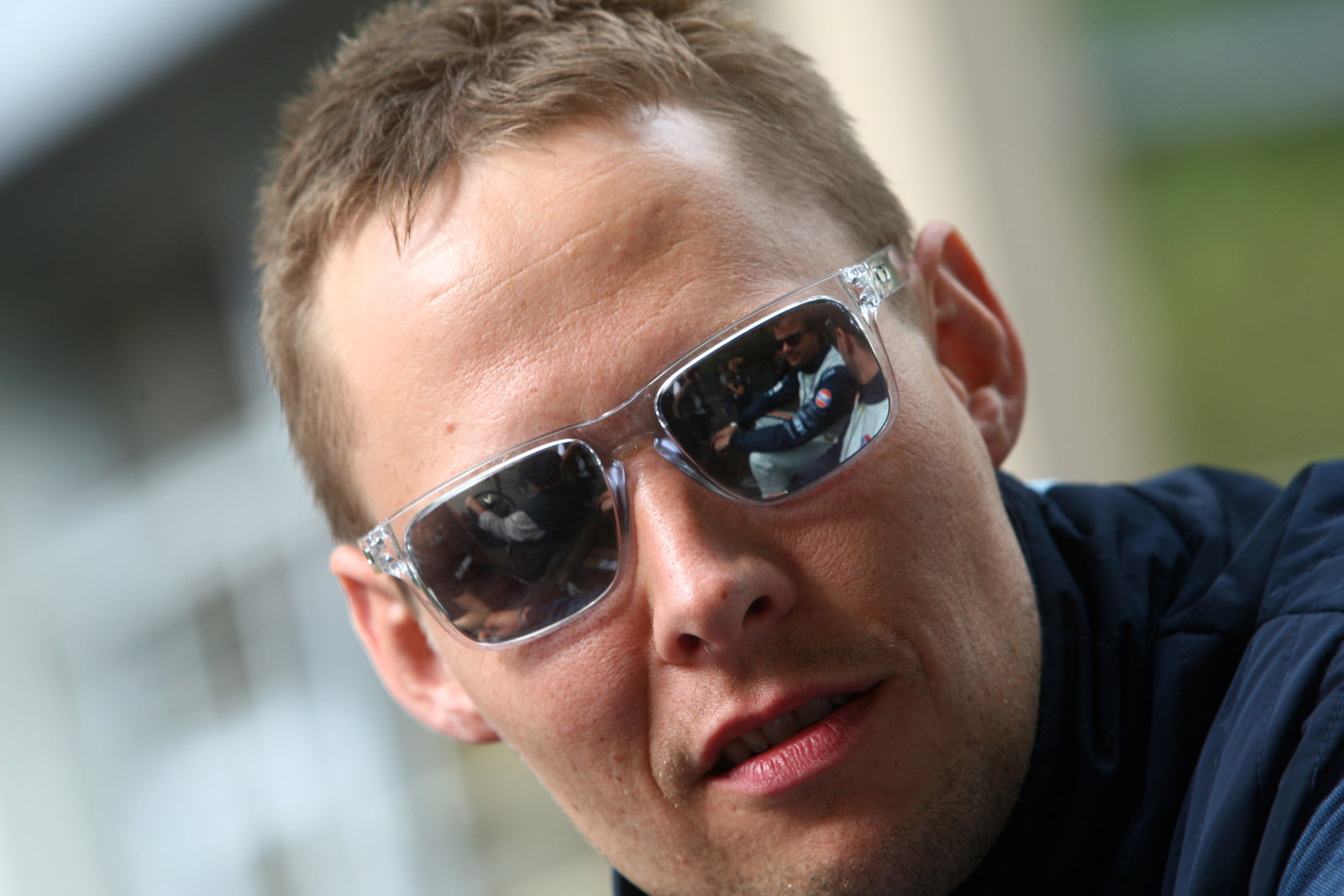
Allan Simonsen
 Denmark
association football player•association football coach
Birthday
December 15, 1952
Birth Sign
Sagittarius
Birthplace
Vejle, Denmark
Age
73 years old
Height
5 ft 10 in (1.78 m)
About
Allan Rodenkam Simonsen is a Danish former professional footballer and manager who remains one of the most celebrated athletes in his country's history. He played as a striker for Borussia Mönchengladbach in Germany and FC Barcelona in Spain, securing major European trophies including the UEFA Cup with Gladbach in 1975 and 1979, and the Cup Winners' Cup with Barcelona in 1982. His individual brilliance was recognized globally when he won the 1977 European Footballer of the Year award, becoming the first Dane to receive the honor.
Simonsen holds a unique distinction in football history as the only player to score in the finals of three different major European competitions: the European Cup, the UEFA Cup, and the Cup Winners' Cup. On the international stage, he represented Denmark in five major tournaments, earning 55 caps and scoring 20 goals between 1972 and 1986. Today he remains a respected figure in Danish sports, frequently appearing at charity events and youth clinics to mentor the next generation.
Early Life & Background
Allan Rodenkam Simonsen entered the world on December 15, 1952, in Vejle, a city in southern Denmark. Born into a working-class family, he developed a deep passion for football during his childhood years. His early talent became evident when he joined his local club, Vejle Boldklub, where he quickly rose through the ranks to become a senior player. Before achieving international fame, Simonsen honed his skills in the Danish lower leagues, showcasing a playing style defined by exceptional dribbling, vision, and an ability to find the back of the net.
His breakthrough moment arrived in 1972 when he made his debut for the Denmark national team at the Summer Olympics in Munich. This early exposure on the global stage laid the groundwork for his future success and caught the attention of scouts from Europe's top clubs. The combination of his natural skill and relentless work ethic allowed him to transition smoothly from a local prodigy to a key player for his hometown club before moving abroad.
Career Growth
Simonsen's professional career unfolded in distinct phases across Europe, marked by significant achievements and transfers. He started his senior career with Vejle Boldklub in Denmark in 1971 before making his Olympic debut for the national team later that year. In 1972, he signed with Borussia Mönchengladbach in the German Bundesliga, where he quickly became a fan favorite and a central figure in their attack. During his tenure there, he helped the team win the UEFA Cup twice, in 1975 and 1979, cementing his status as a star in German football.
The pinnacle of his individual career came in 1977 when he won the prestigious Ballon d'Or, becoming the first Danish player to ever receive the award. Following this accolade, he continued to dominate the Bundesliga until 1979. That same year, he transferred to FC Barcelona in Spain, adapting quickly to La Liga and leading the team to victory in the 1982 European Cup Winners' Cup. After leaving Barcelona, he played for Sporting Gijón and Real Zaragoza before retiring from professional play in 1984. Post-retirement, he transitioned into management, coaching various teams including the Danish youth national team and clubs in Denmark and abroad.
Career Timeline
Public Image & Style
Simonsen is portrayed as a humble, hardworking, and technically gifted player who achieved greatness through skill rather than controversy. He is respected for his sportsmanship and his role as a pioneer for Danish footballers in Europe. His image is that of a classic football hero, someone who combined technical excellence with a quiet dignity that earned him widespread respect across the continent. Media coverage consistently highlights his dedication to the game and his contributions to Danish sports culture.
Fame & Fandom (iFAMOUS Rankings)
Allan Simonsen remains a towering figure in Danish cultural memory, revered not merely as an athlete but as the architect of modern Scandinavian football success. His support base, while lacking a formalized global brand name like those found among contemporary pop stars, operates through deep institutional reverence and historical continuity within Denmark. Fans in his homeland traditionally refer to him as "The King" or simply by his surname, a designation that carries the weight of national pride rather than digital fandom mobilization. The most tangible expression of this enduring loyalty occurred with the announcement of a commemorative statue erected before Vejle Stadium in 2026, a state-backed project that solidified his status as a permanent fixture in the nation's physical landscape. Despite his monumental legacy, Allan Simonsen does not currently hold a placement in the published iFANN Global Top 1,000 rankings or any scope-specific list, reflecting a profile where historical stature exists alongside a lack of current algorithmic dominance. This absence of a numeric rank stands in contrast to the vibrant, albeit separate, cult following surrounding Allan Weel Simonsen, the racing driver who died at Le Mans in 2013. That distinct group has organized around safety advocacy and memorial rituals, including the annual remembrance of his final race and the establishment of the Allan Simonsen Fund. While both men share a surname and a Danish heritage, their fanbases remain entirely disjointed, with the footballer's legacy defined by triumph and the driver's by tragedy. The footballer's influence is sustained through the quiet dignity of his career achievements and the continued invocation of his name in discussions regarding the potential of small nations in global sports.
Interesting Facts and Legends
Allan Simonsen holds a unique place in football history as the only player to have scored in the finals of three different major European competitions: the European Cup, the UEFA Cup, and the Cup Winners' Cup. Fans and commentators often referred to him as the "Flying Dane" due to his incredible speed and agility on the pitch. A brief loan spell at Charlton Athletic in England occurred in 1979, though it was not a long-term success. In 2025, a commemorative statue was unveiled in front of Vejle Stadium to honor his legacy. He is also frequently confused with Allan Weel Simonsen, a racing driver who died in 2013, but the two men share no relation.
Notable Quotes
“Football is not just about scoring goals; it's about how you play the game.”
“I never thought I would win it. It was a dream come true for me and my country.”
Family & Personal Life
Public records regarding Allan Simonsen's romantic history are scarce compared to modern celebrities, reflecting the privacy norms of his era. While he has been married and has children, specific details regarding the names of past partners or the number of children are not extensively detailed in available biographical sources. His family life remains low-profile, allowing him to focus on his athletic career and public duties. Unlike the racing driver Allan Simonsen who left behind a grieving family, the footballer's personal life has been kept out of the spotlight.
Notable Connections
Relationships & Dating History
Public records regarding Allan Simonsen's romantic history are scarce compared to modern celebrities, reflecting the privacy norms of his era and his focus on his athletic career. There is no widely documented public record of multiple high-profile marriages or divorces in mainstream media archives. However, it is known that he has been married and has children. Specific details regarding the names of past partners, exact start and end dates of relationships, or the number of children are not extensively detailed in available biographical sources, suggesting a private personal life. As of 2026, Allan Simonsen is reported to be single or widowed; however, without explicit confirmation of a spouse's passing or current marital status in recent news, he is generally regarded as a retired elder statesman of Danish football.
Salary, Net Worth In 2026
$2 Million
iFANN Editorial Team estimate
As a retired athlete from the 1970s and 80s, Allan Simonsen does not have a publicly tracked celebrity net worth in the same manner as modern influencers or active players. Estimates suggest his wealth comes from pensions and post-career coaching roles in Denmark and abroad. Historical deals with sports brands like Adidas and Nike likely provided modest income by today's standards. He also owns real estate in Denmark given his long-term residence there. Research by the iFANN Editorial Team puts his fortune at around $2 million, derived from lifetime earnings and assets accumulated over a long retirement.
Awards Won (5)
Allan Simonsen's trophy cabinet includes some of the most prestigious individual and team honors in football. He won the Ballon d'Or in 1977, becoming the first Danish player to receive the award. He secured the UEFA Cup twice with Borussia Mönchengladbach in 1975 and 1979, and the European Cup Winners' Cup with FC Barcelona in 1982. He was inducted into the Danish Football Hall of Fame in November 2008 and won the Danish Player of the Year award multiple times during his peak years.
1977 · European Footballer of the Year
Individual Performance
1979 · Club Competition
Borussia Mönchengladbach
1975 · Club Competition
Borussia Mönchengladbach
Known For
Ballon d'Or Winner 1977
1977 · Footballer
UEFA Cup Winner
1975 · Player
Cup Winners' Cup Winner
1982 · Player
Keywords
Sources
Quick Facts
- Profession
- association football player, association football coach
- Born
- December 15, 1952
- Birthplace
- Vejle, Denmark
- Gender
- Male
- Birth Sign
- Sagittarius
Personal Details
- Full Name
- Allan Rodenkam Simonsen
- Height
- 5 ft 10 in (1.78 m)
Frequently Asked Questions
Who is Allan Simonsen?
Is Allan Simonsen still alive?
How many goals did Allan Simonsen score for Denmark?
What is Allan Simonsen's most famous achievement?
Did Allan Simonsen die in a car crash?
Join the community
fans discussing