 India
“Manoj Bajpayee delivers a career-defining performance, portraying a man stripped of his dignity with such subtlety that it breaks your heart. Aligarh is a triumph of understatement.”
Anupama Chopra
Film Companion
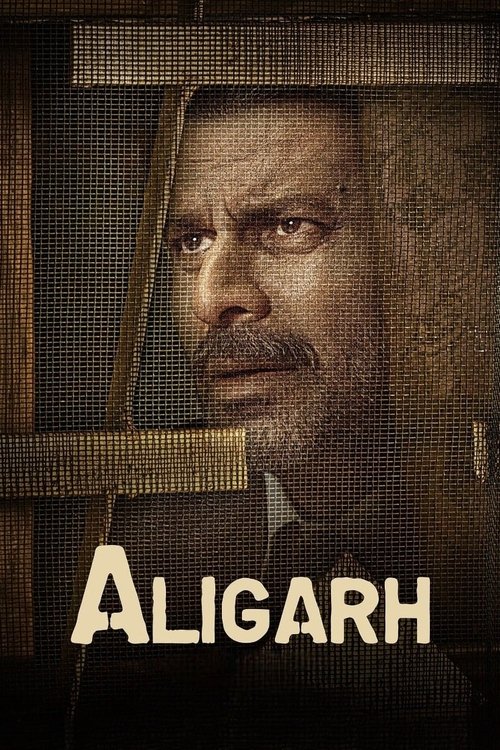
Hansal Mehta directs Aligarh, a 2016 drama that brings the true story of Ramchandra Siras to life. Manoj Bajpayee stars as the professor, a distinguished linguist at Aligarh Muslim University who faces suspension after colleagues discover his private life. The film explores how institutional bias and social prejudice can dismantle a respected career. Rajkummar Rao plays Deepu Sebastian, a young journalist whose initial assignment evolves into a personal crusade for justice.
Produced by Karma Pictures and Eros International, the movie operates on a modest budget yet delivers a powerful narrative without relying on spectacle. Its tone remains intimate and restrained, focusing on quiet moments of dignity rather than loud confrontations. Released in February 2016, the film garnered attention for its sensitive handling of LGBTQ+ themes within an Indian academic setting. With a rating of 8.1 out of 10 from viewers, it stands as a significant entry in contemporary Hindi cinema that prioritizes human stories over sensationalism.
Free with ads
Availability and pricing can change. Confirm on the provider's site before purchasing.
The narrative opens within the hallowed, leafy grounds of Aligarh Muslim University in Uttar Pradesh during the early 2010s. Professor Ramchandra Siras lives a quiet existence there, teaching Urdu literature with a reputation for scholarly rigor and gentle manners. He is a man of few possessions but many books, often found reading or reciting poetry in his small office. His life is solitary but peaceful until two male students conduct a sting operation, secretly recording him in a moment of intimacy with another man. This footage leaks, triggering a chain reaction that shatters his world.
The university administration, bowing to external pressure and societal prejudice regarding homosexuality, suspends Siras pending an inquiry. The suspension rests solely on his sexual orientation, which the institution deems incompatible with his role as a professor. Stripped of his income and facing eviction from his university quarters, Siras retreats into a state of isolation. The film sensitively captures the psychological toll of this injustice as he grapples with loneliness and despair while his peers offer silent judgment.
Amidst this turmoil, Deepu Sebastian enters the picture. Deepu is a young, ambitious journalist working for a local newspaper who initially approaches Siras with a standard assignment: to write a story about the scandal surrounding the professor. As Deepu interacts with Siras, he begins to see beyond the sensational headlines. He witnesses the humanity, vulnerability, and profound integrity of a man who has done nothing wrong other than love whom he chooses. Deepu's initial curiosity transforms into a deep sense of empathy and a personal crusade for justice.
The central conflict of the film is not just the legal battle Siras faces, but the broader societal clash between institutional rigidity and individual rights. The university administration prioritizes the institution's image over the truth, refusing to acknowledge the discriminatory nature of their actions. Meanwhile, Siras struggles with the decision to fight back legally or to retreat into silence to preserve his remaining dignity. Deepu's investigation uncovers the lack of evidence against Siras and the manipulative tactics used by the students who recorded the video.
As the trial progresses, the film examines the impact of media sensationalism and the role of public opinion in shaping legal outcomes. Deepu's reporting brings the case to the attention of civil rights activists and the LGBTQ+ community, sparking a larger conversation about discrimination in India. The story follows the procedural aspects of the legal battle, highlighting the delays and bureaucratic hurdles that plague the Indian judicial system. Siras's health deteriorates under the stress, adding a layer of urgency to the narrative. The film does not rely on dramatic confrontations or loud protests; instead, it uses subtle interactions and internal monologues to convey the weight of the injustice. The audience is drawn into the emotional reality of a man fighting for his identity in a world that refuses to accept him.
The climax of the non-spoiler section involves the mounting pressure on the university to take action and the finality of the court proceedings, leaving the audience in suspense regarding whether justice will prevail for Professor Siras. The narrative stops short of revealing the verdict, focusing instead on the resilience of the human spirit in the face of overwhelming odds.
Aligarh Official Trailer with English Subtitle | Manoj Bajpayee, Rajkummar Rao
Critical Consensus
Aligarh stands as a masterclass in restrained storytelling, anchored by Manoj Bajpayee's heartbreaking performance. Director Hansal Mehta handles the sensitive subject matter with grace, avoiding melodrama in favor of quiet dignity. The film is a necessary and powerful indictment of institutional homophobia, delivering a deeply moving narrative that resonates long after the credits roll.
“Manoj Bajpayee delivers a career-defining performance, portraying a man stripped of his dignity with such subtlety that it breaks your heart. Aligarh is a triumph of understatement.”
Anupama Chopra
Film Companion
“A film that doesn't shout but whispers its truth. Hansal Mehta's direction is impeccable, and the script avoids the trap of victimization, focusing instead on the humanity of its protagonist.”
Shubhra Gupta
The Indian Express
“Bajpayee's portrayal of Ramchandra Siras is nothing short of miraculous. Aligarh is a poignant reminder of the price paid by those who dare to be different in a conformist society.”
Rajeev Masand
CNN-News18
Manoj Bajpayee
Professor Ramchandra Siras
Rajkummar Rao
Deepu Sebastian
Ishwak Singh
Arvind Narayan
Dilnaz Irani
Namita
Sukhesh Arora
Tahir Islam
Balaji Gauri
Nita Grewal
Sumit Gulati
Tashi
K.R. Parmeshwar
Prof. Sridharan
Nutan Surya
Anjali Gopalan
Suman Vaidya
Shadab Qureshi
Ashish Vidhyarthi
Vijay Grover
Prashant Kumar
Irfan
Director
Hansal Mehta
Writers
Apurva Asrani, Ishani Banerjee
Composer
Amit Trivedi
Cinematographer
Satya Nagpaul
Producer
Shailesh R. Singh
National Film Awards (2016)
Best Feature Film in Hindi: Won
National Film Awards (2016)
Best Actor: Won
National Film Awards (2016)
Best Supporting Actor: Won
Filmfare Awards (2017)
Best Actor (Critics): Won
Filmfare Awards (2017)
Best Supporting Actor: Won
International Indian Film Academy Awards (2017)
Best Actor: Won
Screen Awards (2017)
Best Actor: Won
Join the community
fans discussing