Ali Shallal al-Qaisi
 Iraq
IraqIraqi civilian and human rights advocate
Birthday
August 6, 1962
Birth Sign
Leo
Birthplace
Baghdad, Iraq
Age
64 years old
About
Born in Baghdad on August 6, 1962, Ali Shallal al-Qaisi is an Iraqi civilian whose harrowing experience brought international attention to the abuses at Abu Ghraib prison. He was detained by U.S. forces and subjected to interrogation and torture at the facility in 2003. Al-Qaisi's story gained widespread recognition in 2004 when photographic evidence of the prisoner torture and abuse at Abu Ghraib was revealed to the public, sparking global outrage and intense scrutiny of detainee treatment. He continues to speak out about his experiences and advocate for justice for victims of war crimes.
His public identity is intrinsically linked to his survival and his role in exposing human rights violations. Through his testimony and continued presence, al-Qaisi serves as a poignant reminder of the human cost of conflict and the importance of accountability. He is recognized globally as a survivor of the notorious prison and a voice for those who endured similar mistreatment.
Early Life & Background
Ali Shallal al-Qaisi entered the world on August 6, 1962, in the vibrant city of Baghdad, Iraq. The specifics of his early years, including details about his family, his schooling, or any professional endeavors he pursued before 2003, have not been widely shared or documented in public records. Like countless other Iraqi citizens, his life was profoundly shaped by the political and social landscape of the country. For many years, Baghdad was a bustling metropolis, and its residents, including al-Qaisi, navigated daily life within its complex historical and cultural fabric.
Before the 2003 invasion of Iraq, al-Qaisi lived a private existence, far removed from international headlines. His journey into the global spotlight began abruptly with the onset of the conflict, which saw the country undergo dramatic shifts. The invasion and subsequent occupation led to widespread instability, impacting the lives of ordinary Iraqis in unprecedented ways. It was during this tumultuous period that al-Qaisi, like many others, found himself caught in circumstances that would forever alter his path. His detention by U.S. forces marked the end of his quiet, unpublicized life and the beginning of an involuntary role as a symbol of the broader human rights issues emerging from the conflict. This sudden shift from an anonymous civilian to a figure of international attention defines the abrupt end of his 'before fame' period.
Career Growth
Ali Shallal al-Qaisi's public journey began in 2004, not through a chosen career path, but with the shocking revelations of abuse at Abu Ghraib prison. After his detention in 2003, his personal ordeal became a central part of the international outcry when photographic evidence of torture and mistreatment of detainees was released. He has courageously recounted his experiences of arrest and subsequent torture multiple times to reporters and human rights organizations, ensuring the world understood the gravity of the situation.
Due to the severe injuries inflicted during his torture, al-Qaisi has undergone at least six surgeries to address the physical trauma. His story became particularly associated with the infamous Hooded Man photograph, though the identity of the person in that specific image has also been attributed to another detainee, Faleh. Over the years, al-Qaisi has remained a visible figure in discussions surrounding accountability for war crimes, participating in peaceful resistance and advocating for justice for victims. Reports in 2025 continued to highlight that survivors like him still seek legal recourse for the abuses they endured, underscoring his ongoing fight for recognition and justice.
Career Timeline
Public Image & Style
Ali Shallal al-Qaisi's public image is primarily defined by his role as a survivor and victim of torture at Abu Ghraib prison. He embodies the resilience of those who have endured extreme human rights abuses, and his willingness to share his story has made him a powerful voice for accountability. His appearances in media, often recounting his ordeal, convey a solemn dignity and a steadfast commitment to seeking justice.
He is perceived by many as a symbol of the broader injustices that occurred during the Iraq War, connecting with audiences through the raw honesty of his testimony. His public persona is that of a quiet but firm advocate, someone who has transformed personal suffering into a platform for human rights awareness. Audiences connect with him through empathy for his experiences and admiration for his courage in speaking out.
Fame & Fandom
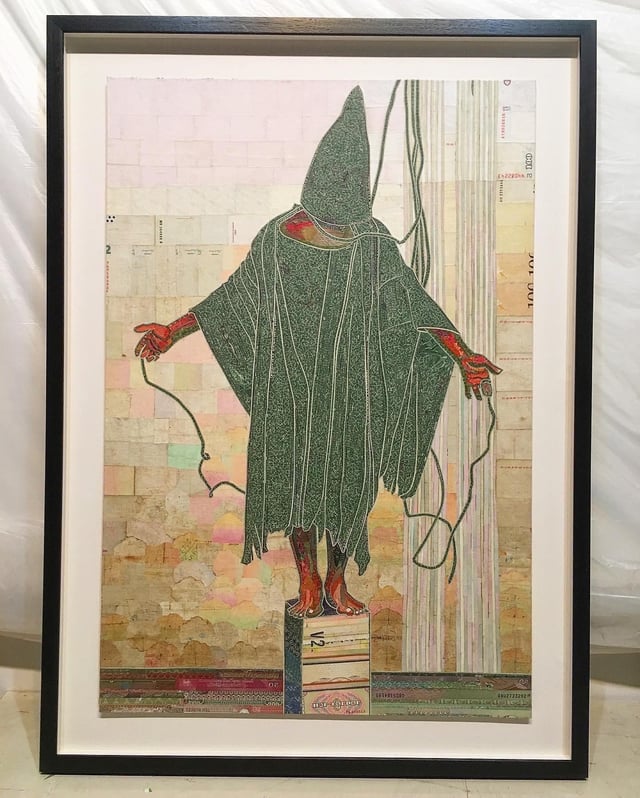
Ali Shallal al-Qaisi does not possess a formal fandom or organized fanbase, as he was never a celebrity, entertainer, or public figure who attracted the rituals of adoration typical of pop culture icons. Instead of fans, his legacy is sustained by human rights organizations, journalists, and legal advocates who reference his case to highlight abuses at Abu Ghraib. His image has been utilized in art and media documentation to discuss the Iraq War and torture, but these acts serve as protest and historical record rather than tributes from a devoted following. There are no fan-funded projects, birthday billboards, or organized campaigns dedicated to him, nor are there documented instances of interaction with a fanbase in the manner of a star. The singular event that defines his global recognition is his depiction in the notorious photographs released in April 2004, which became an enduring symbol of dehumanization and war crimes rather than a viral moment of entertainment fame. iFANN has evaluated this profile to determine current standing within the global hierarchy of notoriety. Ali Shallal al-Qaisi is currently EVALUATED_UNRANKED according to the Global Fame Engine, meaning he holds no placement in the published Global Top 1,000 or any Top-100 scope list. While his name appears in historical discussions regarding military misconduct, he lacks the commercial consumption signals required for a ranked position. This absence of a numeric rank reflects his status as a victim of historical trauma rather than a subject of contemporary celebrity culture. The scale of his recognition remains confined to specific contexts of human rights discourse and historical inquiry, lacking the broad media coverage and search volume necessary for inclusion in standard fame rankings.
Interesting Facts and Legends
Ali Shallal al-Qaisi has undergone at least six surgeries to treat severe injuries sustained during his detention at Abu Ghraib prison. For a period, he was widely believed to be the individual depicted in the notorious 'Hooded Man' photograph, though this attribution has faced some debate over time. His experiences have been extensively documented by major news outlets like Al Jazeera, which has covered his account for over two decades since the Iraq War began. He has actively participated in peaceful resistance efforts to expose alleged crimes committed by occupying forces. A defining moment in his life occurred when he stood on a box with shackled hands above his head while wearing a hood connected to electrical wires, an image that became the visual symbol of the Abu Ghraib scandal upon its release in April 2004. In 2023, marking the twentieth anniversary of the conflict, he publicly recounted the horror of removing the hood and the enduring physical pain resulting from the abuse. As of 2025, reports indicate that despite twenty-one years passing, victims like him still lack clear legal recourse for the war crimes committed against them. The photograph of al-Qaisi suspended on a wire box remains one of the most recognizable images of modern history, serving as a permanent visual reflection of the conditions inside the facility. This single image transcended news cycles to become a global shorthand for torture, appearing in academic texts and legal arguments without the need for further explanation.
Family & Personal Life
Ali Shallal al-Qaisi's personal and family life has remained largely private, as his public profile centers almost entirely on his experiences as a survivor of the Abu Ghraib abuses. While born in Baghdad, Iraq, details about his parents, any siblings he may have, or his own marital status and whether he has children are not publicly known. Many individuals who experience significant trauma or become symbols of broader political events often choose to keep their private lives out of the public eye for personal safety or to maintain a sense of normalcy. For al-Qaisi, this privacy means that information about his household, daily routines, or personal relationships has not been disclosed, allowing him to maintain a degree of personal space amidst his public advocacy.
Notable Connections
Ali Shallal al-Qaisi is primarily associated with the Abu Ghraib prison scandal, an event that exposed widespread prisoner abuse and torture by U.S. personnel in Iraq. His personal account and the visual evidence linked to his detention became powerful symbols of the human rights violations during the Iraq War. He is also closely linked with human rights advocacy, serving as a survivor who continues to speak out against torture and for accountability for war crimes.
Relationships & Dating History
Public information regarding Ali Shallal al-Qaisi's personal relationships, including any marriages, partnerships, or children, is not available. His public life has been dedicated to recounting his experiences at Abu Ghraib and advocating for human rights, with details about his romantic or familial connections remaining private. As of 2026, there are no reported public relationships.
Salary, Net Worth In 2026
$0
iFANN Editorial Team estimate
Per iFANN's editorial analysis, Ali Shallal al-Qaisi's net worth is estimated at $0. Unlike public figures whose careers involve lucrative contracts, endorsements, or business ventures, al-Qaisi's visibility stems entirely from his experience as a detainee and torture survivor at Abu Ghraib prison. His involvement since then has primarily been in sharing his testimony and advocating for justice, roles that typically do not generate significant public income or require financial disclosure. As of 2026, any estimation of his personal assets or financial holdings would be purely speculative, as his life has been focused on seeking accountability and raising awareness about human rights issues rather than commercial pursuits. His financial status has not been a subject of public reporting, nor has he engaged in activities that would lead to public valuations of his wealth. The nature of his public presence means that traditional metrics used to calculate the net worth of celebrities or business leaders simply do not apply. Victims of human rights abuses often face significant challenges in securing reparations or financial compensation for their suffering. While legal efforts have been made by some Abu Ghraib survivors to seek justice, the path to financial recourse has been protracted and complex, with many victims, including those from Abu Ghraib, still having no clear avenue for justice as highlighted in 2025 reports. This means that any potential financial settlements or support for individuals like al-Qaisi are not publicly documented as contributing to a measurable net worth.
Awards & Accolades
Keywords
Sources
Quick Facts
- Born
- August 6, 1962
- Birthplace
- Baghdad, Iraq
- Gender
- Male
- Birth Sign
- Leo
Personal Details
- Children
Frequently Asked Questions
How old is Ali Shallal al-Qaisi in 2026?
What is Ali Shallal al-Qaisi known for?
Where is Ali Shallal al-Qaisi from?
What happened to Ali Shallal al-Qaisi at Abu Ghraib?
Is Ali Shallal al-Qaisi still advocating for justice?
Join the community
fans discussing