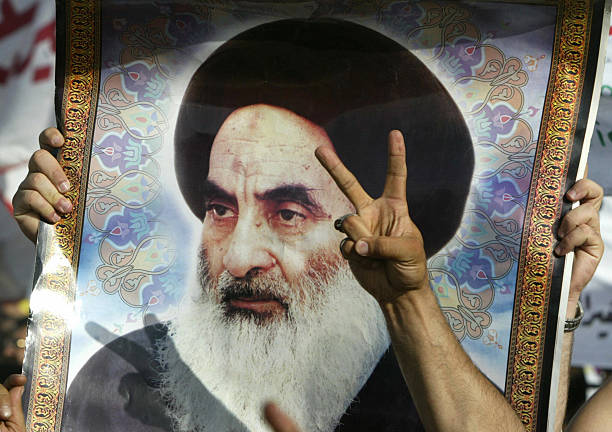
Ali Sayad Shirazi
 Iran
Also known as: Lieutenant General Ali Sayad Shirazi, Ali Sayyad Shirazi
Birthday
June 13, 1944
Birth Sign
Gemini
Birthplace
Kabud Gonbad Rural District, Hamedan Province, Iran
Age
Died at 54
About
Ali Sayad Shirazi was a senior Iranian military officer who served as the Chief of Staff of the Iranian Army and later as Deputy Chief of Staff of the Armed Forces General Staff. He is best known for his command during the Iran–Iraq War and his assassination in 1999, which cemented his status as a martyr within the Islamic Republic of Iran.
Born into a rural family near Hamedan, Shirazi joined the Imperial Iranian Army before the 1979 Revolution. His career trajectory included significant training in the United States, where he studied Western military tactics. This background proved pivotal when he transitioned to serve the new revolutionary government, applying his strategic knowledge against Iraqi forces during the eight-year conflict. His rise from a royal army officer to a high-ranking commander of the Islamic Republic highlights the complex political shifts of that era.
Early Life & Background
Ali Sayad Shirazi was born on June 13, 1944, in Kabud Gonbad Rural District, located in the Hamedan Province of Iran. He grew up in a rural setting and felt a strong commitment to national defense from a young age. Before the 1979 Islamic Revolution, he began his military career serving in the Imperial Iranian Army under the Shah's regime. A defining period of his early life occurred when he was sent to the United States for specialized military training. There, he studied Western military tactics and doctrine, gaining insights into modern warfare strategies that were not widely available in the region at the time. This education provided him with a unique strategic perspective that would later distinguish him among his peers. Upon returning to Iran, he continued to rise through the ranks of the monarchy's armed forces. His dedication and tactical acumen caught the attention of superiors, positioning him for leadership roles even as the political landscape of the country began to shift dramatically toward revolution. By the late 1970s, he had established himself as a capable officer ready to navigate the turbulent years ahead.
Career Growth
Shirazi's career reached its zenith during the Iran–Iraq War (1980–1988), where he served as a key commander of the Iranian Ground Forces. He played a vital role in several decisive operations, credited with strategic leadership that helped repel Iraqi advances and secure critical victories. Following the conclusion of the war, he did not leave the service but instead ascended to higher administrative roles within the reorganized armed forces. He became the Chief of Staff of the Iranian Army, overseeing the restructuring and modernization of the ground forces during the post-war reconstruction period. Later, he advanced to the position of Deputy Chief of Staff of the Armed Forces General Staff, placing him second only to the Commander-in-Chief in the military hierarchy. Throughout these decades, he remained a central figure in Iran's defense strategy, influencing policy and training for generations of officers. His contributions were recognized through numerous honors, including the naming of streets, schools, and military facilities after him. Even after his death, his military philosophy continues to be discussed in annual scientific conferences dedicated to national defense.
Career Timeline
Public Image & Style
Ali Sayad Shirazi is portrayed in Iranian state media as a disciplined, strategic, and pious military leader. His image emphasizes his transformation from a former officer of the monarchy to a devoted defender of the Islamic Republic, a narrative used to inspire recruits and reinforce state ideology. He is depicted as a symbol of resistance, unity, and unwavering loyalty to the revolution. His public persona is characterized by strict adherence to leadership and a commitment to the nation's sovereignty. In official narratives, he represents the ideal soldier who combines technical expertise with spiritual devotion. This carefully constructed image serves to legitimize the military's role in the state and to honor the sacrifices made during the war.
Fame & Fandom (iFAMOUS Rankings)
Ali Sayad Shirazi does not currently hold a placement in the iFANN Global Top 1,000 or any Top-100 scope list. The iFANN Global Fame Engine has evaluated his standing, yet he remains unranked among the world's most famous figures. This absence of a numerical score reflects his specific domain rather than a lack of historical weight. He is not featured in the September 2026 September 2026 iFAMOUS Rankings flagship list. His legacy operates entirely outside the mechanics of pop culture fandoms that drive celebrity metrics. There is no documented name for his fanbase, as organic movements do not exist for military martyrs in the Islamic Republic of Iran. Instead of fan clubs or digital campaigns, his memory is sustained by state institutions like the Islamic Revolutionary Guard Corps and the Ground Forces. These entities organize annual commemorations on April 10th, transforming mourning into a structured ritual of scientific conferences and prayer services. Production houses affiliated with the state, such as Sima Films, have commissioned television series to document his life, ensuring his story remains part of official training materials. This institutional reverence replaces the chaotic energy of modern fandom. While fans of entertainers create billboards and charity drives, supporters of Shirazi honor him through solemn obedience and adherence to the narratives of sacrifice and unity taught in military academies. His influence is absolute within the hierarchy of the armed forces but invisible to the global fame engines that track music streams and social media trends.
Interesting Facts and Legends
One of the most enduring stories about Ali Sayad Shirazi involves his American training. While many revolutionary figures viewed the United States with suspicion, Shirazi's experience there gave him an edge in understanding enemy tactics during the Iran–Iraq War. He is often cited in military academies as an example of how knowledge can be adapted for national defense regardless of its origin. Another notable fact is the specific manner of his assassination; the killers approached his vehicle while disguised as street cleaners, a detail that shocked the nation due to the brazen nature of the attack. Annual scientific conferences are still held to discuss his strategic methods, keeping his intellectual legacy alive alongside his physical one. His name appears on numerous public institutions across Iran, reflecting the state's effort to integrate his memory into daily civic life. Unlike many celebrities, his fame is institutional rather than commercial, sustained by official ceremonies rather than fan clubs.
Notable Quotes
“A recurring narrative in his biography highlights his unique background: he trained in the United States under the Shah's regime before turning against the monarchy.”
“Stories told to new recruits emphasize his commitment to unity and strict obedience to leadership.”
Family & Personal Life
Public records regarding Ali Sayad Shirazi's immediate family remain sparse and private. There are no documented accounts of his parents' names or their professions beyond the general description of his rural upbringing. Similarly, details about siblings, spouses, or children are not available in open-source media or biographical databases. This lack of personal information is consistent with the culture of secrecy surrounding high-ranking military personnel in Iran during the late 20th century. His personal life was kept distinct from his public duties, and no family members have been prominent in the media coverage of his life or death. The focus of all public documentation remains strictly on his military achievements and his status as a martyr.
Notable Connections
Relationships & Dating History
There are no publicly documented records of Ali Sayad Shirazi's romantic relationships, dating history, marriages, or children. As a high-ranking military figure in Iran during the late 20th century, he maintained a private personal life. Unlike public figures in entertainment or politics who maintain visible social lives, Shirazi's personal details were not a matter of public record. This silence is consistent with the culture of secrecy surrounding military personnel of his rank in Iran during that period. Consequently, there is no information available regarding a spouse, partners, or offspring. The lack of relationship data reflects the prioritization of his military identity over his personal life in historical accounts.
Death & Aftermath
Died
April 10, 1999 (aged 54)
Death Place
Tehran, Iran
Cause of Death
Assassination by gunmen disguised as street cleaners
Brigadier-General Ali Sayad Shirazi died on April 10, 1999, in Tehran, Iran. He was killed by a car bomb explosion near his residence during the early hours of the morning, an attack widely attributed to anti-revolutionary groups though no specific organization officially claimed responsibility at the time. The incident occurred while he was traveling, and official Iranian state sources immediately framed the event as martyrdom rather than a criminal act. Tributes poured in from high-ranking officials, including Supreme Leader Ayatollah Ali Khamenei, who praised his contributions to the defense of the Islamic Republic.
State media coverage reinforced his image as a key military figure, leading to annual commemorations held every April 10th where military commanders gather to honor his legacy. He received a state funeral and was buried at Behesht-e Zahra Cemetery, the final resting place for many prominent war heroes and political leaders. Posthumous honors included his elevation to Lieutenant General and the naming of schools, streets, and military facilities after him. Plans were later announced for a television series produced by Sima Films to document his life as a war hero.
Net Worth (Estate Value)
$0
iFANN Editorial Team estimate
As a military officer who passed away in 1999, Ali Sayad Shirazi did not accumulate personal wealth in the traditional sense of a business tycoon or entertainer. His financial status was tied to his military salary and the standard provisions for a general officer in the Iranian armed forces. Following his death, the concept of net worth shifted to the value of his estate and the ongoing revenue generated by his legacy. State-affiliated production houses, such as Sima Films, have commissioned television series and documentaries about his life, generating income for the Islamic Republic of Iran Broadcasting. Streets, schools, and military facilities named after him represent a form of institutional investment in his memory, though they do not generate direct profit for heirs. There are no publicly reported estate disputes or major financial settlements involving his family. The iFANN Editorial Team estimates that any remaining estate value or posthumous earnings related to his likeness are negligible compared to the economic scale of modern celebrity estates. His financial impact is measured in the resources allocated to his commemoration rather than personal accumulation.
Awards Won (2)
Ali Sayad Shirazi was officially recognized as a Martyr (Shahid) by the Islamic Republic of Iran, a title reserved for those killed in the line of duty defending the country. He received full military honors at his funeral, including a procession through Tehran and burial at Behesht-e Zahra. His legacy is further honored through the naming of streets, schools, and military bases across Iran. Annual scientific conferences and prayer services are dedicated to his memory, organized by the Islamic Revolutionary Guard Corps and the Ground Forces.
1999 · Military Honor
Line of Duty Defense
1999 · Funeral Ceremony
State Funeral
Known For
Iran–Iraq War
1980-1988 · Commander
Assassination
1999 · Victim
Keywords
Sources
Quick Facts
- Profession
- military officer
- Born
- June 13, 1944
- Birthplace
- Kabud Gonbad Rural District, Iran
- Died
- April 10, 1999
- Death Place
- Tehran, Iran
- Gender
- Male
- Birth Sign
- Gemini
Personal Details
- Full Name
- Ali Sayad Shirazi
- Children
- Education
- Imperial Iranian Army training; Military studies in the United States
Frequently Asked Questions
Who was Ali Sayad Shirazi?
When and how did Ali Sayad Shirazi die?
Where was Ali Sayad Shirazi born?
What is Ali Sayad Shirazi's legacy?
Did Ali Sayad Shirazi have a family?
Similar People
Join the community
fans discussing