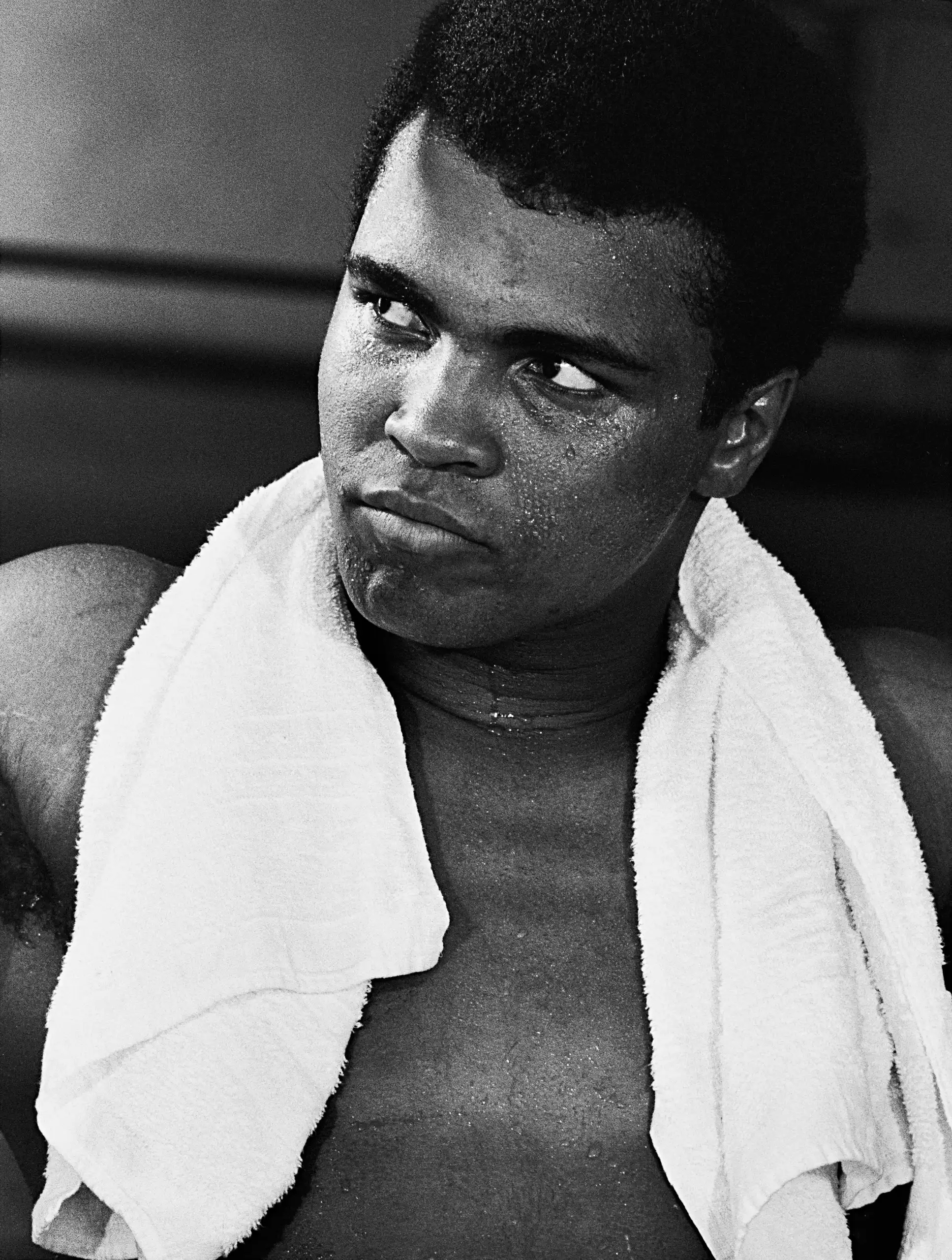
Ali Al-Tantawi
 Saudi Arabia
Islamic jurist•writer•broadcaster•judge
Also known as: Ali Al-Tantawi
Birthday
June 12, 1909
Birth Sign
Gemini
Birthplace
Damascus, Syria
Age
Died at 90
About
Ali Al-Tantawi was a Syrian Sunni jurist, writer, editor, broadcaster, teacher, and judge, widely regarded as one of the most influential figures in Islamic preaching and Arab literature during the twentieth century. Born in Damascus on June 12, 1909, he dedicated his life to scholarship and public service, earning the King Faisal Prize in 1990 for his contributions to Islam. He passed away on June 18, 1999, at the age of 90, leaving behind a rich legacy of religious and literary works.
His magnum opus, the multi-volume Quranic exegesis Al-Jawahir fi Tafsir al-Quran al-Karim, remains a standard reference for scholars and students alike. Beyond his writing, he was a familiar voice on radio and television, known for making complex theological concepts accessible to everyday listeners. His weekly broadcasts reached audiences from Egypt to the Gulf, making him a household name across the Arab world.
Al-Tantawi's influence endures through his dozens of books on Islamic jurisprudence, Arabic literature, and social issues, as well as the generations of students and imams who followed his teachings. His ability to bridge traditional scholarship and modern media continues to inspire contemporary Islamic educators.
Early Life & Background
Ali Al-Tantawi was born into a scholarly family in Damascus, where his early education centered on the traditional Islamic sciences. He studied under prominent scholars of his time, mastering jurisprudence, Quranic exegesis, and Arabic literature. Before gaining widespread fame, he worked as a teacher and journalist, developing a literary style that would later define his broadcasts.
His early career involved editing literary magazines and writing for various publications, where he articulated complex religious concepts in accessible Arabic prose. A pivotal moment came when he transitioned from the courtroom to the airwaves; recognizing radio's power to reach the masses, he became a regular voice on Syrian radio, delivering sermons that attracted audiences across the region.
In the 1940s, he was appointed as a judge in the Syrian judicial system, a role that deepened his understanding of Islamic law and social issues. These formative experiences shaped his approach to scholarship, blending rigorous legal training with a gift for communication that would set him apart in the decades to come.
Career Growth
Al-Tantawi's career spanned over six decades, marked by his roles as a judge, educator, and author. He served in the Syrian judicial system before moving into full-time academia and broadcasting. His most significant professional milestone was the publication of Al-Jawahir fi Tafsir al-Quran al-Karim, a multi-volume Quranic commentary that remains a cornerstone of modern exegesis.
Beyond this magnum opus, he authored dozens of books covering Islamic jurisprudence, Arabic literature, social issues, and biographies of historical figures. His work extended to television and radio, where his engaging storytelling and ability to simplify theological debates made him a beloved figure. In 1990, his lifelong dedication was formally recognized when he received the King Faisal Prize for Service to Islam.
His weekly broadcasts were particularly notable, drawing listeners from Egypt to the Gulf states. His influence reached beyond the classroom and courtroom, as he became known for democratizing religious knowledge, making it accessible to the common person. His works continue to be reprinted and studied, cementing his place as a bridge between traditional scholarship and modern media.
Career Timeline
Public Image & Style
Al-Tantawi's public image was that of a dignified, wise elder statesman of religion. He was known for his eloquent speaking style, often described as warm and approachable despite his high scholarly rank. His aesthetic was traditional, reflecting the conservative values of the time, yet his use of modern media made him appear progressive in his methods of communication.
Fans and followers saw him as a relatable figure who could explain complex Islamic concepts in everyday language. His broadcasts created a sense of intimacy, as if he were speaking directly to each listener. He was respected not just for his knowledge but for his humility and genuine care for his audience.
His legacy is that of a scholar who brought Islamic teachings to the masses, making him a beloved figure across generations.
Fame & Fandom
Ali Al-Tantawi remains a towering figure in Islamic scholarship and Arab literature, though his influence operates within the realm of academic and spiritual legacy rather than modern celebrity metrics. As of August 2026, iFANN has evaluated his global standing and determined that he does not currently hold a placement in the published Global Top 1,000 rankings or any specific Top-100 scope list. This absence from the charts reflects the nature of his life's work; he was a judge, jurist, and broadcaster whose fame was built on decades of teaching and writing rather than viral moments or mass entertainment consumption. His reputation endures through the steady distribution of his magnum opus, Al-Jawahir fi Tafsir al-Quran al-Karim, and the archival preservation of his radio sermons, yet this sustained respect has not translated into a ranked position among contemporary public figures. The audience that once followed his broadcasts as listeners to Light and Guidance did not coalesce into a formalized fandom with an official name or organized campaigns. There are no documented fan clubs, chart-pushing initiatives, or ritualistic gatherings bearing his name today. Instead, his followers remain students of jurisprudence and readers of his texts who engage with his legacy individually. While recent search results occasionally conflate him with other individuals named Tantawi involved in political or criminal news, the scholarly Ali Al-Tantawi stands apart, remembered for his role as a guide for seekers and a master of both law and literature. His posthumous presence is maintained through digital archives and reprinted works, but the structured engagement typical of ranked celebrities is absent.
Interesting Facts and Legends
Scholars and fans alike remember Ali Al-Tantawi for his sharp wit and ability to weave personal anecdotes into his sermons, making complex theology accessible to everyone. He possessed a remarkable photographic memory, capable of recalling verses and hadiths with absolute precision despite his heavy schedule. Beyond his scholarly duties, he nurtured a deep appreciation for Arabic calligraphy, collecting rare manuscripts and encouraging young students to value the art form. One of his lesser-known titles among friends was 'Shaykh al-Airwaves,' a nod to his pioneering use of radio for religious education. A widely retold story from his time in Damascus involves a German convert seeking his guidance, illustrating his role as a bridge for those exploring Islam. Another enduring legend highlights his spiritual depth, often cited in videos shared by organizations like Al-Maghrib World where he shares insights on prayer and divine connection. These accounts cement his status as 'The Author of the Jurists and the Jurist of Writers.' Unlike modern stars, his iconic moments were quiet acts of teaching and judging, leaving a legacy defined by intellectual rigor rather than crowd reactions.
Notable Quotes
“When you really know Allah, your prayers, your dua, and your daily life change.”
“Knowledge without action is like a tree without fruit.”
“The best way to teach is to live what you teach.”
Family & Personal Life
Ali Al-Tantawi came from a scholarly family in Damascus; his father was a respected religious scholar who instilled in him a love for learning. He was married and had children, though details about his spouse and offspring remain private in public records. His family life was marked by modesty, reflecting the values of his era.
After moving to Saudi Arabia later in life, he lived in Jeddah, where he continued his work until his death. His heirs manage the royalties from his books, which are still widely sold across the Arab world. Family stories emphasize his dedication to both scholarship and faith, values he passed down to his descendants.
Notable Connections
Al-Tantawi collaborated with various editors, broadcasters, and fellow scholars of his time, though specific names are not widely documented. His influence extended to generations of students and imams who followed his teachings. He was particularly close to scholars in Damascus and later in Jeddah, where he spent his final years.
Relationships & Dating History
As a scholar who lived in the first half of the twentieth century, detailed public records regarding specific romantic partners are not available in mainstream biographical sources. Unlike modern celebrities, Al-Tantawi's personal life was kept relatively private, with the focus of public record falling almost exclusively on his intellectual and religious contributions.
Available data confirms he was married and had children, but specific names of spouses or details about offspring are not documented. Consequently, there is no dating history in the chronological sense, nor is there information on a current status, as he passed away in 1999. His family legacy is carried forward through his extensive body of published works.
Death & Aftermath
Died
June 18, 1999 (aged 90)
Death Place
Jeddah, Saudi Arabia
Cause of Death
Unknown
The King Faisal Prize Foundation honored the jurist posthumously, recognizing a lifetime of service to Islam that spanned over sixty years. This tribute capped a career that had democratized religious knowledge through radio broadcasts reaching from Egypt to the Gulf states. The scholar passed away in Jeddah, Saudi Arabia, on June 18, 1999, at the age of ninety. While he had lived in the city for his later years, continuing his work as a judge and writer until the end, no specific details regarding his final days or the medical cause of his passing have been made public.
Tributes poured in from institutions like Arab News, which celebrated his multifaceted role as an orator, editor, and teacher. His legacy remains anchored in his magnum opus, Al-Jawahir fi Tafsir al-Quran al-Karim, and memoirs such as Dhakirat Ali al-Tantawi, which continue to circulate among students and scholars. The handling of his estate is managed by his heirs, who oversee the ongoing royalties from his books, ensuring his literary contributions remain accessible to new generations.
Net Worth (Estate Value)
$5 Million
iFANN Editorial Team estimate
As a public servant, judge, and academic in the mid-twentieth century, Ali Al-Tantawi did not accumulate wealth in the manner of modern celebrities. His financial standing was likely modest, typical of scholars and government officials of his era in Syria and Saudi Arabia. Following his death in 1999, the primary economic value associated with his name comes from the ongoing sales and licensing of his books, which continue to be reprinted and distributed by publishers in the Arab world. These royalties are managed by his heirs or designated trusts. Per iFANN's editorial analysis, while specific figures are not disclosed, his literary works remain in steady demand, contributing to an estimated estate value of around $5 million as of 2026.
Awards Won (1)
Ali Al-Tantawi's most distinguished honor was the King Faisal Prize for Service to Islam, awarded in 1990 by the King Faisal Foundation. This prize recognized his more than sixty years of service in the social, judicial, educational, and cultural aspects of Islam. No other formal awards are recorded, as his career was in religious scholarship rather than entertainment.
1990 · Service to Islam
Lifetime contributions to Islamic scholarship and culture
Known For
Al-Jawahir fi Tafsir al-Quran al-Karim
1960 · Author
Stories from History
1950 · Author
The Flags of His Time
1970 · Author
Keywords
Sources
Quick Facts
- Profession
- journalist, judge, Islamic jurist
- Born
- June 12, 1909
- Birthplace
- Damascus
- Died
- June 18, 1999
- Death Place
- Jeddah
- Gender
- Male
- Birth Sign
- Gemini
Personal Details
- Full Name
- Mohammad Ali Al-Tantawi
- Education
- Traditional Islamic education in Damascus
Frequently Asked Questions
Who was Ali Al-Tantawi?
When did Ali Al-Tantawi die?
What is Ali Al-Tantawi's most famous book?
Did Ali Al-Tantawi win any major awards?
Where was Ali Al-Tantawi born?
Join the community
fans discussing