
Alexandre de Moraes
 Brazil
Birthday
December 13, 1968
Birth Sign
Sagittarius
Birthplace
São Paulo, Brazil
Age
57 years old
Height
5 ft 9 in (175 cm)
About
Alexandre de Moraes, born December 13, 1968, in São Paulo, is a Brazilian jurist and a justice of the Supreme Federal Court. He began his career in the São Paulo Public Prosecutor's Office, later serving as Secretary of Public Security for the state and as Minister of Justice and Public Security under President Michel Temer. Appointed to the Supreme Court in 2017, Moraes also presided over the Superior Electoral Court during the 2022 general election. His aggressive investigations into alleged coup plots and disinformation networks targeting democratic institutions have made him a central figure in Brazil's political landscape, admired by some as a defender of democracy and criticized by others as an overreaching activist.
Early Life & Background
Alexandre de Moraes grew up in São Paulo, the son of a lawyer who influenced his early interest in law. He attended traditional Catholic schools before enrolling at the University of São Paulo, where he earned a law degree and later a master's and doctorate in constitutional and state law. In 1988, he joined the São Paulo Public Prosecutor's Office as a promotor de justiça, specializing in organized crime, drug trafficking, and money laundering. His work there earned him a reputation for toughness, leading to his appointment as Secretary of Public Security for São Paulo state in 2015 under Governor Geraldo Alckmin. In that role, he implemented aggressive anti-crime policies, including a crackdown on drug gangs that raised his national profile and set the stage for his move into federal politics.
Career Growth
In May 2017, President Michel Temer appointed Moraes as Minister of Justice and Public Security, a position he held for only three months before being nominated to the Supreme Federal Court to replace Justice Teori Zavascki, who died in a plane crash. He took office on March 22, 2017, at age 48, becoming one of the youngest justices in the court's history. In 2020, he was elected President of the Superior Electoral Court, overseeing Brazil's electoral system during the contentious 2022 general election. After Jair Bolsonaro lost to Luiz Inácio Lula da Silva, Moraes ordered investigations into Bolsonaro and his allies for allegedly plotting a coup. He also led the inquiry into the January 8, 2023 Brasília riots, ordering the arrest of Bolsonaro's former Justice Minister Anderson Torres. As of 2026, he continues to oversee the Supreme Court's inquiries into anti-democratic activities, including the indictment of Bolsonaro by federal police in 2025.
Career Timeline
Public Image & Style
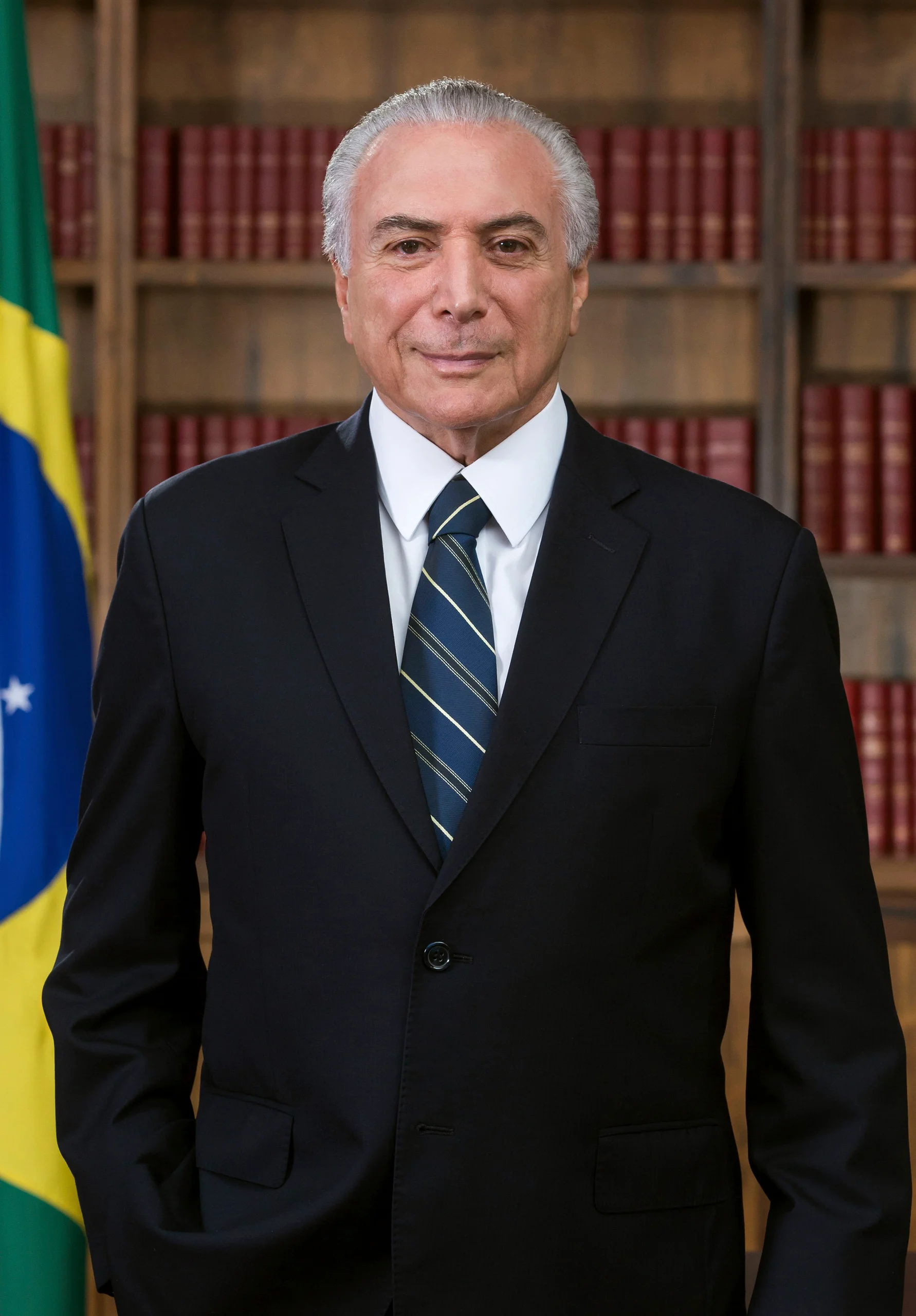
Moraes is known for his formal, meticulous legal reasoning and a stern, no-nonsense public demeanor. He typically appears in dark suits, projecting an image of institutional authority. His portrayal in the media is deeply polarized: supporters see him as a defender of democracy against authoritarian threats, while critics, particularly Bolsonaro supporters, view him as an overreaching activist judge. International media has framed him as a key figure in Brazil's democratic resilience. He has no official fandom name, but his supporters often refer to themselves as defenders of democracy. His social media presence is official and institutional, with posts limited to court decisions and public statements.
Fame & Fandom (iFAMOUS Rankings)
Alexandre de Moraes commands a presence defined not by adoration but by intense, polarized scrutiny. His public image is a battleground where supporters hail him as the shield of democracy and critics decry him as an overreaching authoritarian. There are no fan clubs, no birthday billboards, and no viral moments of celebration; instead, his name triggers heated debates in courtrooms, newsrooms, and diplomatic corridors. The United States sanctioned him for alleged human rights abuses, while tech giants like Elon Musk clashed with his orders to curb disinformation on X. These high-stakes confrontations have cemented his status as a central figure in Brazil's political turmoil rather than a celebrity with a devoted following. The audience engaging with his legacy consists of citizens divided by ideology, legal scholars analyzing his rulings, and international observers monitoring democratic resilience. He has no formal fandom name, and the concept of fans rallying behind him does not exist in the way it does for entertainers or athletes. Yet, his influence permeates global discourse, placing him among the most recognized figures in the region. According to the iFANN Global Fame Rankings, he holds significant standing as the 36th most famous person in Brazil, a position that has held steady through recent cycles. This ranking reflects his pervasive role in shaping national policy and navigating complex legal crises.
Interesting Facts and Legends
Before ascending to the Supreme Federal Court, Alexandre de Moraes spent over a decade as a law professor at the University of São Paulo, teaching constitutional law and authoring textbooks like Direito Constitucional and Direito Penal that remain staples in Brazilian law schools. A native of São Paulo born in 1968, he speaks Portuguese and English with basic proficiency in Spanish and French. Outside the courtroom, he is an avid fan of Brazilian music and has been photographed attending live concerts. His early career as a prosecutor featured a notable investigation into a major money laundering scheme linked to the Primeiro Comando da Capital drug gang. In recent years, his judicial actions have generated their own form of legendary status within political circles. The U.S. Department of State sanctioned him in July 2025 for serious human rights abuses, marking a rare diplomatic escalation against a sitting judge. He also became a focal point of global attention during a standoff with Elon Musk over content moderation on the X platform. Critics have compiled lists labeling his decisions as examples of serial arbitrariness, while supporters view these same rulings as necessary defenses against authoritarian threats. His prosecution of former President Jair Bolsonaro remains one of the most watched legal dramas in modern Brazilian history.
Notable Quotes
“Democracy does not defend itself. Institutions must be vigilant.”
“There is no freedom of speech for hate speech, threats to democracy, or attacks on institutions.”
“Brazil cannot tolerate those who try to destroy the Democratic Rule of Law.”
“My role is to ensure the Constitution is upheld, regardless of who is in power.”
Family & Personal Life
Alexandre de Moraes is married to Viviane Barci de Moraes, who maintains a very low public profile. The couple has been together for several decades and has children, though the exact number and names are not publicly disclosed to protect their privacy. His father was a lawyer, which influenced his career path. The family resides in São Paulo. Moraes has not publicly shared details about siblings or pets.
Notable Connections
Moraes is closely associated with Jair Bolsonaro, his primary political adversary, whom he has investigated for alleged coup plots. He was appointed by President Michel Temer and previously served under Governor Geraldo Alckmin. He has worked alongside fellow STF justices Luiz Fux and Rosa Weber. He ordered the arrest of former Justice Minister Anderson Torres in connection with the 2023 Brasília riots.
Relationships & Dating History
Alexandre de Moraes has been married to Viviane Barci de Moraes since approximately the 1990s. She maintains a very low public profile, rarely appearing in media. The couple has children together, though details are kept private. They have faced public scrutiny due to Moraes's high-profile political and judicial roles but have remained together throughout his career. There are no credible reports of previous marriages, divorces, or other public relationships. As of 2026, he is married to Viviane Barci de Moraes.
- MarriedViviane Barci de Moraes1990 - presentCurrentLong-term spouse; they have children together and she maintains a low public profile.
Salary, Net Worth In 2026
$3 Million
iFANN Editorial Team estimate
iFANN currently estimates Alexandre de Moraes's net worth in 2026 at $3 Million. This figure stems primarily from his salary as a justice of the Supreme Federal Court, which totals roughly R$44,000 per month plus benefits. Previous roles as Minister of Justice and Secretary of Public Security contributed significantly to his accumulated wealth before his appointment to the high court. He has supplemented his income through academic work teaching at the University of São Paulo and royalties from his legal textbooks on constitutional and criminal law. While he owns property in São Paulo, specific asset values remain private. Brazilian Supreme Court justices face strict prohibitions against holding private sector positions or investments that could create conflicts of interest, ensuring his financial profile relies heavily on government compensation and family assets.
Awards Won (4)
Moraes has received several Brazilian legal and governmental honors, including the Commander of the Order of Rio Branco, Brazil's highest diplomatic honor, and the Grand Cross of the Order of Merit of the Brazilian Judiciary and Public Ministry. He has also been awarded the Medal of Merit by the Brazilian Bar Association and honorary citizenship from various cities.
2018 · Commander
Public service
2019 · Grand Cross
Judicial service
Known For
Supreme Federal Court Justice
2017 · Justice
President of the Superior Electoral Court
2020 · President
Minister of Justice and Public Security
2017 · Minister
Keywords
Quick Facts
- Profession
- jurist, politician, judge
- Born
- December 13, 1968
- Birthplace
- São Paulo, Brazil
- Gender
- Male
- Spouse
- Viviane Barci de Moraes
- Birth Sign
- Sagittarius
- Height
- 5 ft 9 in (175 cm)
Personal Details
- Full Name
- Alexandre de Moraes
- Height
- 5 ft 9 in (175 cm)
- Spouse
- Viviane Barci de Moraes
- Children
- Yes
- Education
- University of São Paulo (Law degree, master's in constitutional law, doctorate in state law)
Frequently Asked Questions
How old is Alexandre de Moraes?
What is Alexandre de Moraes's net worth in 2026?
Is Alexandre de Moraes still a Supreme Court justice in 2026?
Is Alexandre de Moraes married?
Why is Alexandre de Moraes controversial?
Social Media
Similar People

Join the community
fans discussing