 Mexico
About
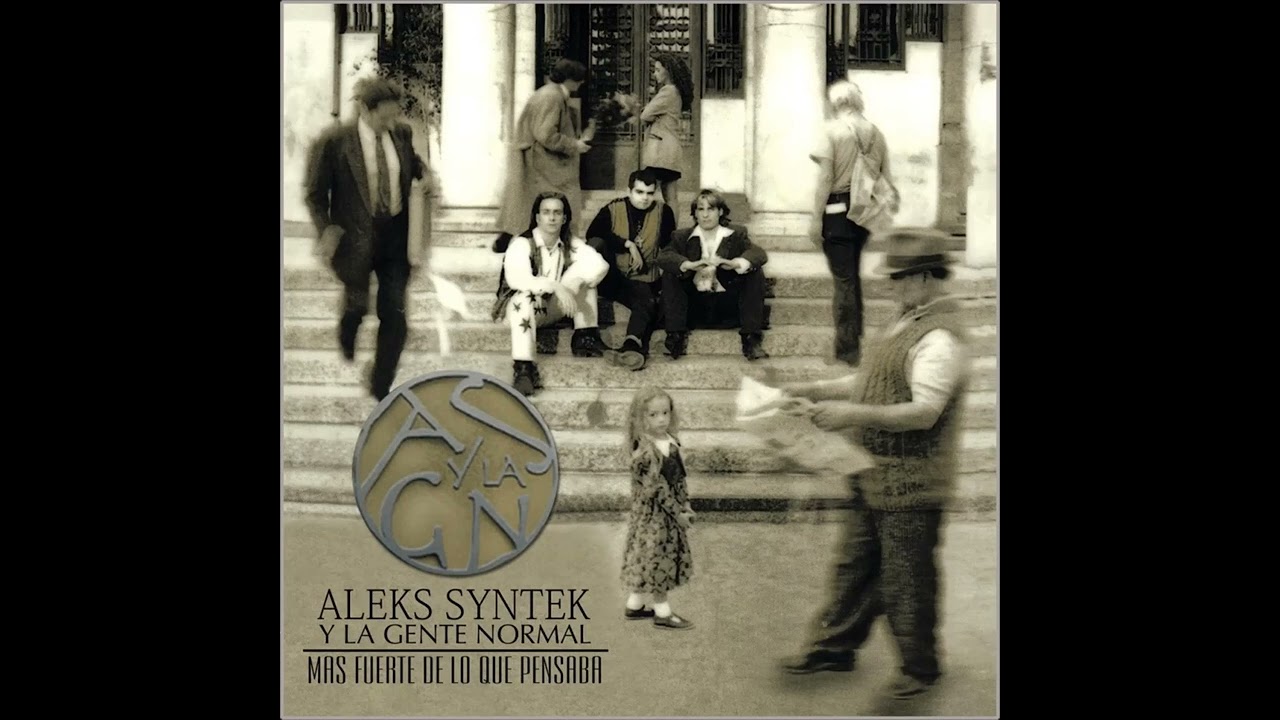
The trio operated under the banner of EMI Music Mexico, releasing material that challenged the prevailing musical norms of the early 1990s. Aleks Syntek served as the primary songwriter and creative driving force, bringing a level of sophistication to his lyrics that dealt with love, social issues, and existential themes. His background included a stint with the band Los Ángeles Negros before he formed this collective. The visual identity of the group was equally important, heavily curated by photographer León Chiprut, who ensured the band projected an intellectual and artistic image rather than a traditional rock star aesthetic.
Collaborations played a significant role in expanding their sonic palette. Notable guests included Sabo Romo from the legendary band Caifanes and Ray Manzarek, the founding keyboardist of The Doors. These partnerships added layers of classic rock and alternative depth to their recordings. Despite the high-profile nature of these collaborations, the core trio maintained tight control over their artistic direction throughout their active years.
Following the release of their second album in 1992, the group effectively went on hiatus. Michel Rojkind chose to dedicate himself entirely to architecture, eventually becoming one of Mexico's most renowned architects. León Chiprut stepped back from the spotlight, while Aleks Syntek launched a successful solo career as a singer-songwriter and actor. No official records exist for further studio albums under the name "Aleks Syntek y La Gente Normal" after 1993.
Formation Story
The seeds of Aleks Syntek y La Gente Normal were sown in the vibrant cultural landscape of Mexico City during the late 1980s. Aleks Syntek, already known for his work with Los Ángeles Negros, sought to create a project that would break away from conventional rock formats. He brought together two like-minded collaborators: León Chiprut, a professional photographer, and Michel Rojkind, then an architect-in-training. This unique combination of talents set the stage for a band that valued visual artistry as much as musical innovation.
Officially launching their career in 1989, the group spent time refining their sound and developing a distinct aesthetic. They wanted to challenge the status quo, a mission symbolized by the cover art of their debut album. The image featured the three members surrounded by a flock of sheep, a deliberate statement about conformity versus individuality. Their first single, "Hey Tú," along with tracks like "El Camino" and "Una pequeña parte de ti," quickly gained traction among listeners hungry for something different.
Their debut album, Hey Tú, arrived in 1990 and marked their entry into the industry with a distinctive blend of alternative rock and new wave. The recording process allowed them to experiment with electronic elements and melodic pop structures that were rare in the Mexican market at the time. The success of this initial release gave them the confidence to push boundaries even further on their subsequent work, leading to the creation of their more polished and synth-heavy second album.
Members
Musical Style
Aleks Syntek y La Gente Normal introduced a sophisticated, European-influenced pop-rock sound to Mexico. Their style evolved significantly from the raw energy of their debut to the polished, electronic production of their later work. The band integrated synthesizers and complex arrangements into their music, distinguishing them from standard Latin pop or hard rock bands of the era. This approach created a unique sonic signature that felt both modern and timeless.
Lyrical themes often explored introspective topics such as love, social commentary, and existential questions. Aleks Syntek delivered these messages with a theatrical flair that matched the band's artistic ambitions. The use of electronic textures and avant-garde aesthetics allowed them to craft songs that stood out in a crowded marketplace. Their music appealed to fans looking for substance and innovation beyond the typical rock tropes of the time.
Discography
| Title | Year |
|---|---|
| Más fuerte de lo que pensaba | 1992 |
| Hey Tú | 1990 |
Cultural Impact
The group is widely regarded as pioneers who helped modernize Mexican rock and paved the way for the "Mexican Alternative" movement of the late 1990s and 2000s. Their integration of electronic elements and avant-garde aesthetics influenced subsequent generations of Latin American musicians. By breaking away from the typical "macho" rock star persona, they embraced a more intellectual and artistic look that resonated with a changing audience.
The divergent paths of its members add another layer to their legacy. Michel Rojkind transitioned from music to become a world-renowned architect, designing iconic structures like the Museo Soumaya extension and various cultural centers globally. This crossover between the arts demonstrates the band's broader influence on Mexican culture. Aleks Syntek maintained a successful solo career, continuing to perform and record while honoring the experimental spirit of his early work.
Fandom Culture
There is no official recorded fandom name, lightstick design, or specific fan color associated with the band. The phenomenon of organized fan clubs was less structured in the Mexican rock scene of the early 1990s compared to modern K-pop or idol cultures. Fans are generally referred to as followers of the "Rock Mexicano" genre or specifically as supporters of Aleks Syntek. The band's cult following grew through word-of-mouth and the enduring appeal of their music rather than formal fan organization.
Awards Won (2)
The band received significant commercial recognition for their work, particularly for their second album. Their primary accolade was the Gold certification awarded in Mexico for sales exceeding 250,000 copies of Más fuerte de lo que pensaba. While they did not win major international trophies like Grammys or Billboards during their active years, their historical standing as pioneers of Mexican alternative rock is well-documented in retrospectives and critical analyses.
Sales Certification
for: Más fuerte de lo que pensaba
Milestones
Released debut album Hey Tú
Released second album Más fuerte de lo que pensaba achieving Gold status
Group effectively disbanded as members pursued solo careers
Trivia
Keywords
Sources
Quick Facts
- Formed
- 1989
- Origin
- Mexico City, Mexico
- Label
- EMI Music Mexico
- Genres
- Pop Rock, New Wave, Electronic
- Status
- Disbanded
Group Info
- Formed
- 1989
- Debut
- 1990-04-01
- Debut Song
- Hey Tú
- Origin
- Mexico City, Mexico
- Company
- EMI Music Mexico
- Label
- EMI
- Status
- Disbanded (1993)
Also Known As
Join the community
fans discussing