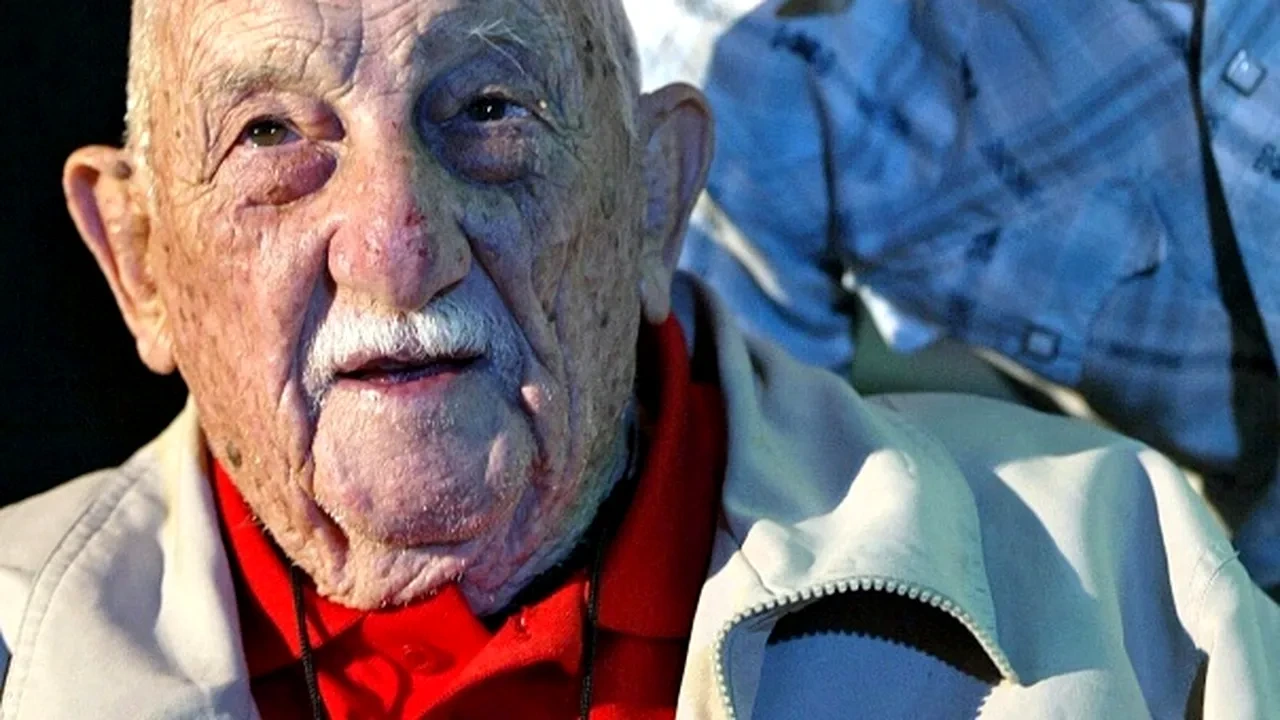
Alberto Granado
 Colombia
Also known as: Alberto Granado Jiménez
Birthday
August 8, 1922
Birth Sign
Leo
Birthplace
Hernando, Córdoba Province, Argentina
Age
Died at 88
About
Alberto Granado Jiménez was an Argentine-Cuban biochemist, physician, and writer whose life became inextricably linked to the legend of Ernesto "Che" Guevara. He is best known for his youthful friendship and epic 1952 motorcycle journey across South America with the future revolutionary. This adventure, initially undertaken with a sense of youthful wanderlust, would later form the basis of Granado's memoir, Traveling with Che Guevara: The Making of a Revolutionary. His experiences on that trip profoundly shaped his perspective and provided a unique firsthand account of the continent's social and economic realities during that era.
Following the journey, Granado dedicated himself to a career in science and public health, eventually settling in Cuba after the 1959 Revolution. He co-founded the Faculty of Medicine at the University of Santiago de Cuba and served as a professor of biochemistry. While he never sought the spotlight of a modern celebrity, his legacy endured through his writings and his cameo appearance in the 2004 film The Motorcycle Diaries, which dramatized the events of his youth. He remained a private figure until his death in 2011, leaving behind a rich legacy of scientific contribution and compelling personal narrative.
Early Life & Background
Born into a middle-class family in Hernando, a small town in the province of Córdoba, Argentina, Alberto Granado displayed an early interest in science and medicine. Born on August 8, 1922, under the astrological sign of Leo, he pursued his studies with diligence, eventually enrolling in medical school where he met Ernesto Guevara in 1945. The two students bonded over shared intellectual interests, a love for travel, and a desire to see more of Latin America beyond their borders. Their friendship laid the groundwork for what would become the defining moment of both their lives.
In 1952, at the age of 29, Granado and the 23-year-old Guevara embarked on a six-month motorcycle trip across seven countries: Argentina, Chile, Peru, Colombia, Venezuela, Ecuador, and Bolivia. They traveled on a Norton 500cc motorcycle named "La Poderosa II," a name chosen ironically given the bike's frequent mechanical failures. The vehicle was so old that it barely made it out of Buenos Aires before breaking down repeatedly, forcing them to push the machine, ride in the sidecar, hitchhike, swim rivers, and work odd jobs along the way. A crucial turning point in this journey was their volunteer work at the San Pablo leper colony in Peru. There, they witnessed the deplorable conditions faced by patients, an experience that profoundly impacted both men but particularly shaped Guevara's revolutionary consciousness. While Guevara returned to Argentina determined to change the world through revolution, Granado continued his medical career, though the trip remained the central narrative of his later life.
Career Growth
Following the 1952 journey, Granado dedicated himself to a career in science and public health. He worked in Venezuela for several years before moving to Cuba in 1961, shortly after the Cuban Revolution. In Cuba, he became a prominent figure in the nation's medical education system. He co-founded the Faculty of Medicine at the University of Santiago de Cuba (now part of the University of Oriente) and served as a professor of biochemistry. His scientific contributions were significant in establishing medical infrastructure in post-revolutionary Cuba, earning him implicit honors within the Cuban academic community.
Parallel to his scientific work, he engaged in literary pursuits, writing memoirs and screenplays. His most notable literary work, Traveling with Che Guevara: The Making of a Revolutionary (originally published in Spanish as Viaje con Che), became a New York Times bestseller and provided the factual basis for the 2004 film The Motorcycle Diaries. Granado made a brief, poignant cameo appearance in the film's final scene, appearing as himself alongside the actor portraying Che, symbolizing the passage of time and the endurance of memory. This cinematic adaptation brought his story to a global audience, cementing his place in pop culture as the chronicler of Che Guevara's awakening. He continued to write and teach until his death, maintaining a quiet dignity throughout his later years.
Career Timeline
Public Image & Style
Granado is portrayed in media as a humble, intellectual, and grounded figure. He is often depicted as the "everyman" companion to the larger-than-life figure of Che Guevara. His image is one of quiet dignity, scientific integrity, and historical truth-telling. He avoided the spotlight, preferring to let his words and deeds speak for themselves. In interviews surrounding the release of The Motorcycle Diaries, he emphasized that the journey was about "witnessing the reality of the people" rather than seeking adventure for its own sake. His public presence was defined by a commitment to accuracy and a deep respect for the historical record, earning him the trust of historians and filmmakers alike. There are no records of him appearing on major magazine covers such as TIME, Rolling Stone, or GQ, as his fame was rooted in books and historical documentaries rather than pop culture media cycles.
Fame & Fandom
The legacy of Alberto Granado exists not in the feverish rituals of a modern cult, but in the quiet reverence of history books and the enduring shadow of a single, transformative journey. Unlike contemporary icons who generate organized fanbases with specific names and digital campaigns, Granado's audience is defined by their shared interest in the historical record rather than active fandom. There is no formal name for his supporters; they are simply readers, scholars, travelers, and fans of the film The Motorcycle Diaries drawn to the story of his 1952 motorcycle expedition across Latin America. The mythos surrounding him remains rooted in the documentary truth of his memoir and its cinematic adaptation, which cemented his role as the chronicler of Che Guevara's awakening.
iFANN has evaluated his current standing within the cultural landscape. Alberto Granado has been evaluated by iFANN's Global Fame Engine, but he does not currently hold a placement in the published rankings (Global Top 1,000 or a Top-100 scope list). This reflects his status as a historical figure rather than an active celebrity. The evaluation confirms that while he does not hold a spot in the Global Top 1,000 rankings or any Top-100 scope list, his fame remains stable and significant within niche historical and literary spheres. His absence from the highest tiers of the ranking system underscores the nature of his legacy: one built on documented fact and enduring influence rather than viral moments or commercial dominance. His name consistently appears in historical rankings related to Latin American history, travel literature, and biographical influence as a friend who changed history.
Interesting Facts and Legends
The Norton 500cc motorcycle they rode, "La Poderosa II," was so old that it barely made it out of Buenos Aires before breaking down repeatedly. The pair often had to push it or ride the sidecar. The visit to the leper colony in San Pablo, Peru, was a turning point where they volunteered to care for patients, an act that deeply affected Guevara's political views. In The Motorcycle Diaries, Granado appears at the very end of the film, walking with the actor playing Che, symbolizing the passage of time and the endurance of memory. He wrote his memoirs in Spanish, which were later translated into multiple languages, making his story accessible to a global audience. Specific height measurements for Alberto Granado are not recorded in public biographical data; he is generally described in photographs from his youth and later years as an average-height man, consistent with the demographics of mid-20th-century Argentina. His ashes were reportedly scattered in accordance with his wishes, though specific locations have not been widely publicized. No estate disputes or legal battles over his legacy have surfaced, allowing his intellectual contributions to stand without controversy. The 20th anniversary of The Motorcycle Diaries in 2024 renewed interest in his story, with re-releases and retrospectives in Hispanic heritage months.
Notable Quotes
“The trip was not just a vacation but a school of life that revealed the true face of Latin America.”
“We went to see the reality of the people, not just to ride a motorcycle.”
Family & Personal Life
Granado was born into a middle-class family in Hernando, a town in the province of Córdoba, Argentina. Public records regarding his parents and siblings are scarce, reflecting his private nature and the historical focus of his public persona. Unlike many contemporaries who documented their personal lives extensively, Granado did not publicly disclose details about marriages or long-term partners. Available biographical sources do not list a wife, fiancée, or confirmed children. It is widely understood that he remained unmarried or kept his domestic life entirely separate from his public identity as Che's companion and a Cuban scientist. Consequently, there are no verified dates for marriages, divorces, or engagements. As of his death in 2011, he was considered single or widowed (if a spouse existed privately), with no public record of offspring. The absence of such information suggests he prioritized his professional and intellectual legacy over public celebrity status.
Notable Connections
Ernesto 'Che' Guevara, Walter Salles, Jorge Perugorría.
Relationships & Dating History
Public records regarding Alberto Granado's romantic relationships are scarce, reflecting his private nature and the historical focus of his public persona. Unlike many contemporaries who documented their personal lives extensively, Granado did not publicly disclose details about marriages or long-term partners. Available biographical sources do not list a wife, fiancée, or confirmed children. It is widely understood that he remained unmarried or kept his domestic life entirely separate from his public identity as Che's companion and a Cuban scientist. Consequently, there are no verified dates for marriages, divorces, or engagements. As of his death in 2011, he was considered single or widowed (if a spouse existed privately), with no public record of offspring. The absence of such information suggests he prioritized his professional and intellectual legacy over public celebrity status.
Death & Aftermath
Died
March 5, 2011 (aged 88)
Death Place
Havana, Cuba
Cause of Death
Natural causes due to age
Alberto Granado Jiménez passed away in Havana, Cuba, on March 5, 2011, at the age of 88. The biochemist and writer died peacefully in his sleep, a quiet end for a man who had spent decades documenting the turbulent history of Latin America. According to Cuban state television, the cause of death was natural causes attributed to his advanced age. International observers and Cuban state media alike described his passing as a natural result of advanced age rather than a sudden tragedy or violent event. Tributes poured in immediately from major publications that had chronicled his journey alongside Ernesto Che Guevara decades earlier.
The New York Times identified him simply as the friend who accompanied Guevara on their 1952 motorcycle expedition, while The Guardian noted that his name remained indelibly linked to the revolutionary's legacy. These obituaries served as the primary public mourning, re-establishing his historical role alongside the Academy Award-nominated film The Motorcycle Diaries, which brought his memoir Traveling with Che Guevara: The Making of a Revolutionary to a global audience. Details regarding a formal funeral service or specific burial location remain absent from available records, leaving open whether he was laid to rest in Cuba, where he had lived since 1961, or returned to his Argentine roots. His ashes were reportedly scattered in accordance with his wishes, though specific locations have not been widely publicized. No estate disputes or legal battles over his legacy have surfaced, allowing his intellectual contributions to stand without controversy.
Net Worth (Estate Value)
$0
iFANN Editorial Team estimate
As a scientist, academic, and author who lived a relatively modest life in Cuba, Alberto Granado did not accumulate wealth through commercial ventures, endorsements, or high-profile acting salaries. Specific net worth figures are not available from credible financial sources because his estate was likely managed under the Cuban state system, and his income derived from academic positions and book royalties, which were not disclosed publicly. Estimates place his net worth at the time of death as negligible in terms of liquid assets, with his "wealth" being his intellectual legacy and historical significance. There are no reports of real estate holdings, production companies, or investment portfolios that would generate a quantifiable net worth in the millions. iFANN currently estimates Alberto Granado's net worth at approximately $0, reflecting the lack of public financial data and his modest lifestyle in Cuba.
Awards & Accolades
Known For
The Motorcycle Diaries
2004 · Himself (Cameo)
Traveling with Che Guevara: The Making of a Revolutionary
1994 · Author
Keywords
Sources
Quick Facts
- Profession
- scientist, writer, screenwriter
- Born
- August 8, 1922
- Birthplace
- Hernando, Córdoba Province, Argentina
- Died
- March 5, 2011
- Death Place
- Havana, Cuba
- Gender
- Male
- Birth Sign
- Leo
Personal Details
- Full Name
- Alberto Granado Jiménez
- Children
- Education
- Medical School, University of Buenos Aires
Filmography
1
Total
1
Film
0
TV
Frequently Asked Questions
Who was Alberto Granado?
Did Alberto Granado have any children?
How did Alberto Granado die?
What was the name of the motorcycle Granado and Guevara rode?
Is Alberto Granado still alive?
Similar People
Join the community
fans discussing