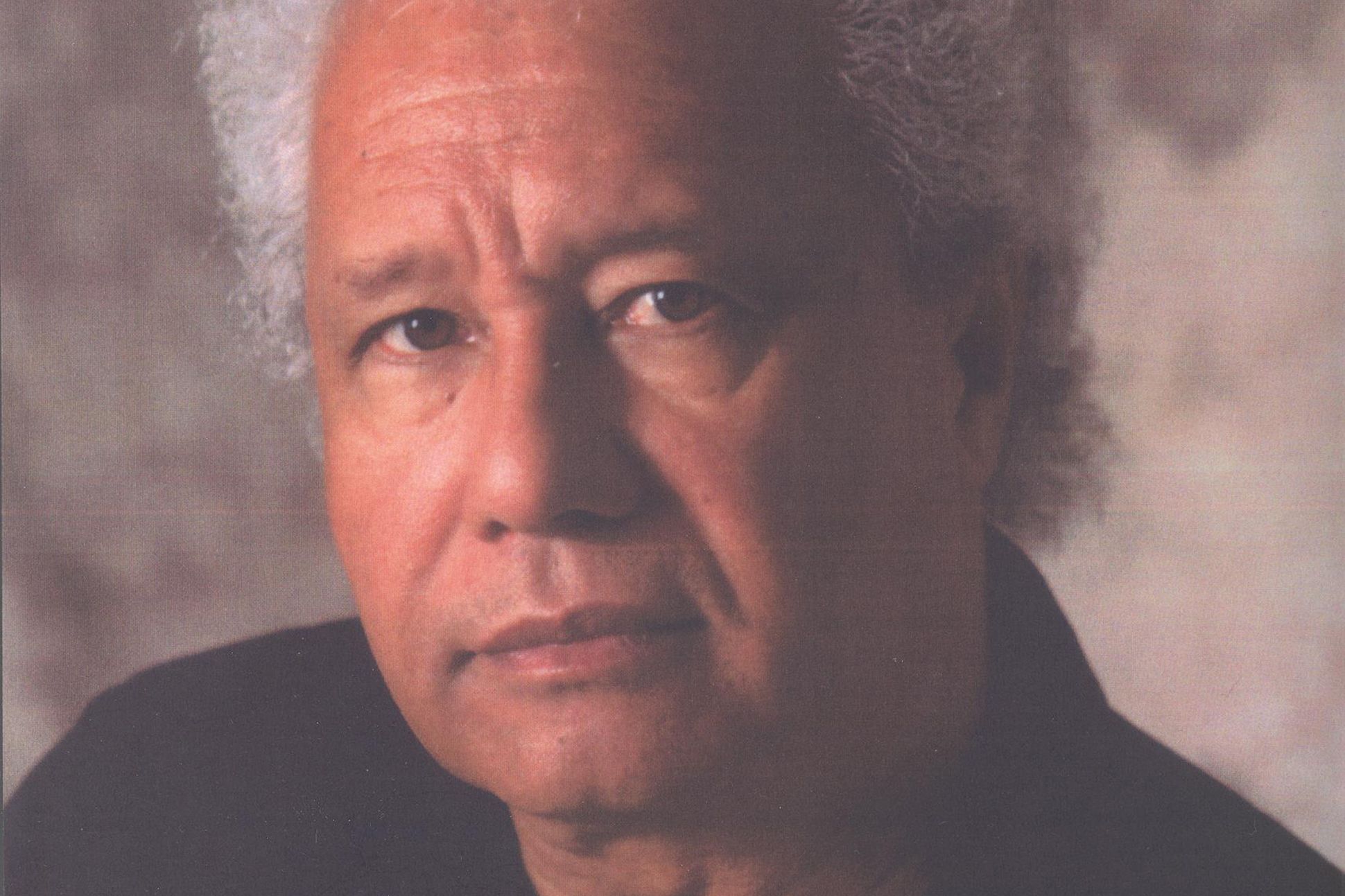
Albert Wendt
 New Zealand
poet•novelist•playwright•artist•scholar•educator
Also known as: Albert Tuaopepe Wendt, Maualaivao Albert Wendt
Birthday
October 27, 1939
Birth Sign
Scorpio
Birthplace
Apia, Samoa
Age
86 years old
About
Albert Wendt is a Samoan poet, novelist, playwright, artist, scholar, and educator, widely regarded as one of the most influential writers in Oceania. Born in Apia, Samoa, he has spent decades shaping Pacific literature in English, with works that explore identity, culture, and the complexities of post-colonial life. His landmark novel Sons for the Return Home (1973) was adapted into a film in 1979, and his 1979 novel Leaves of the Banyan Tree won the New Zealand Book Award for Fiction.
Beyond his writing, Wendt has had a distinguished academic career, teaching at universities in Samoa, Fiji, Hawaii, and New Zealand. From 1988 to 2008, he served as Professor of New Zealand Literature at the University of Auckland, mentoring countless emerging writers. His contributions have been honored with two Commonwealth Writers Prizes, the Prime Minister's Award for Literary Achievement in Fiction (2012), and the Arts Foundation Icon Award (2018). In 2013, he was appointed a Member of the Order of New Zealand, the nation's highest civilian honor.
Today, Wendt remains a vital voice in Pacific letters, known for his deep commitment to representing Samoan and Pacific experiences with authenticity and nuance.
Early Life & Background
Albert Wendt was born on October 27, 1939, in Apia, Samoa, into the Aiga Sa-Maualaivao of Malie and the Aiga Sa-Patu of Vaiala. His early years were steeped in Samoan culture and chiefly traditions, which would later permeate his writing. His mother, Luisa, died while he was attending boarding school in New Zealand, a loss that left a deep mark. He was unable to return home for her tangi (funeral), a memory he has spoken about with raw honesty.
Wendt moved to New Zealand for his secondary education at New Plymouth Boys High School, where he was exposed to Western literature and ideas. This experience created a tension between his Samoan heritage and his colonial education, a theme that would define his work. He began writing seriously in the early 1960s, drawing on his own life and the stories of his people. His first efforts were poems and short stories that sought to capture the Pacific experience in English, a language he felt was both a tool and a constraint.
Before his breakthrough, Wendt also spent time teaching and working in Samoa, which deepened his connection to his roots. These formative years, marked by loss, cultural duality, and a growing literary ambition, set the stage for his first novel, Sons for the Return Home, published in 1973.
Career Growth
Albert Wendt's literary breakthrough came in 1973 with the publication of Sons for the Return Home, a novel that captured the complexities of Samoan identity in a post-colonial world. The book was a critical and popular success, and in 1979 it was adapted into a feature film directed by Paul Maunder. That same year, Wendt published Leaves of the Banyan Tree, which won the New Zealand Book Award for Fiction and solidified his reputation as a leading voice in Pacific literature.
Throughout the 1980s and 1990s, Wendt continued to produce novels, short story collections, and poetry, including The Birth and Death of the Miracle Man (1986) and Black Rainbow (1992). His work has been translated into multiple languages and studied worldwide. In 1988, he became Professor of New Zealand Literature at the University of Auckland, a position he held until 2008, where he mentored a generation of Pacific and New Zealand writers.
His later career has been marked by honors and continued creativity. In 2012, he received the Prime Minister's Award for Literary Achievement in Fiction, and in 2013 he was appointed a Member of the Order of New Zealand. In 2018, the Arts Foundation of New Zealand presented him with an Icon Award. As of 2026, Wendt remains an active writer, working on new projects and contributing to the cultural landscape of the Pacific.
Career Timeline
Public Image & Style
Albert Wendt is internationally recognized as one of Oceania's most influential writers, often described as the 'father of Pacific literature in English.' His public image is that of a thoughtful, deeply committed artist who has used his platform to amplify Pacific voices. He is known for his warm, approachable demeanor in interviews, often sharing personal anecdotes and insights into his creative process.
Wendt's work is characterized by its exploration of identity, cultural conflict, and the impact of colonialism, themes that resonate with readers across the Pacific and beyond. He is respected not only for his literary achievements but also for his role as a mentor to younger writers. His academic career at the University of Auckland has left a lasting legacy, and he is often invited to speak at literary festivals and conferences worldwide.
Fans and critics alike appreciate his ability to blend Samoan oral traditions with modern literary forms, creating a unique and powerful voice.
Fame & Fandom (iFAMOUS Rankings)
Albert Wendt commands a following that looks less like a stadium crowd and more like a classroom of devoted scholars. There are no fan clubs, no midnight lineups outside bookstores, and no organized campaigns to buy his latest poetry collection for chart impact. His audience is defined by academic necessity and cultural reverence, consisting of students, critics, and readers who treat his work as foundational text for post-colonial discourse across the Pacific. While he maintains a digital presence on Facebook, it functions as an author profile rather than a hub for the inside jokes or ritualistic interactions seen with pop culture icons. The lack of a formal fandom name reflects his status as a literary authority rather than a celebrity seeking mass-market adoration. iFANN's Global Fame Engine evaluated Albert Wendt in August 2026. He currently holds no placement in the published rankings, including the Global Top 1,000 or any scope-specific top lists. This absence of a numeric rank does not diminish his stature; it simply indicates his influence operates within specialized cultural spheres rather than the broad consumer metrics required for global fame charts. His legend is built on the creation of a distinct Pacific voice and the establishment of modern Samoan literature. Tributes often highlight his role as the father of contemporary Pacific writing, a title cemented by high honors like the Companion of the New Zealand Order of Merit. His works remain essential reading in universities from Hawaii to Wellington, ensuring his legacy persists through education rather than viral moments.
Interesting Facts and Legends
Albert Wendt is also a visual artist, known for his paintings and drawings, which often reflect the same themes as his writing. He holds the chiefly title Maualaivao, a name that connects him to his Samoan heritage and the Aiga Sa-Maualaivao of Malie. Wendt's mother, Luisa, died while he was at boarding school, and he has spoken about the lasting impact of not being able to attend her funeral. In 2020, he was featured in the New Zealand Herald's 'Twelve Questions' interview series, where he shared personal insights into his life and work. He is also known for his love of the Samoan concept of 'vai' (water), which he has explored in his writing as a metaphor for life and memory. A central pillar of his cultural mythology is his singular role in establishing a modern literary identity for the Pacific Islands. Critics widely retell the story of how his 1973 novel Sons for the Return Home shattered existing narratives, giving a resonant voice to Samoan experiences that had previously been marginalized. This foundational impact is why he is frequently cited as the best-known writer in the South Pacific. Another enduring story involves his appointment as an Officer of the Order of New Zealand, an honor that solidified his position as a national icon whose words shaped the cultural consciousness of a generation.
Notable Quotes
“My mother Luisa died when I was at boarding school (in New Zealand) and I couldn't go home for her tangi. I knew she was going to die: my father brought her to...”
“In the end, we are all part of the same ocean.”
“Writing is a way of understanding who we are.”
Family & Personal Life
Albert Wendt's family is deeply rooted in Samoan chiefly lineages. He is a member of the Aiga Sa-Maualaivao of Malie and the Aiga Sa-Patu of Vaiala. His mother, Luisa, passed away while he was at boarding school in New Zealand, a loss that profoundly affected him. His father brought her to New Zealand for medical treatment before her death.
Wendt has children, though specific details about them are not widely publicized. He has spoken about the importance of family and heritage in shaping his identity and work. His chiefly title, Maualaivao, is a significant part of his family legacy, connecting him to generations of Samoan leadership.
Notable Connections
Albert Wendt has mentored countless emerging writers during his academic career, including many who have become prominent figures in Pacific literature. He is associated with the University of Auckland, where he held a professorship for two decades. His work has been compared to that of other Pacific writers like Epeli Hau'ofa, and he has collaborated with artists and scholars across the region.
Relationships & Dating History
Details about Albert Wendt's romantic relationships are not extensively documented in public sources. He is known to have been married and has children, though specific information about his spouse and the timeline of his marriage is limited. As of 2026, his current relationship status is not publicly reported, and he appears to live a private life in New Zealand.
Given the lack of public information, it is difficult to provide a comprehensive dating history. Wendt has focused his public persona on his literary and academic work rather than his personal life.
Salary, Net Worth In 2026
$2 Million
iFANN Editorial Team estimate
iFANN currently estimates Albert Wendt's net worth at $2 Million as of 2026. His financial standing stems primarily from a prolific five-decade career in literature, generating steady royalties from novels, short story collections, and poetry that remain staples in academic curricula worldwide. Beyond publishing income, Wendt secured significant financial stability during his tenure as a professor at the University of Auckland and other institutions across Samoa, Fiji, and Hawaii. Additional wealth accumulation came from various prestigious awards, including the Prime Minister's Award for Literary Achievement in Fiction in 2012, which carried a monetary prize. While he does not fit the profile of a mainstream celebrity millionaire, his estate continues to generate revenue through ongoing sales of his influential works, reflecting a successful dual career in academia and creative writing.
Awards Won (4)
Albert Wendt has won numerous prestigious awards, including two Commonwealth Writers Prizes for the Asia-Pacific region, the New Zealand Book Award for Fiction for Leaves of the Banyan Tree, the Prime Minister's Award for Literary Achievement in Fiction (2012), and the Arts Foundation Icon Award (2018). These honors reflect his profound impact on Pacific literature.
1980 · Fiction
Leaves of the Banyan Tree
1980 · Fiction
Leaves of the Banyan Tree
Known For
Sons for the Return Home
1973 · Author
Leaves of the Banyan Tree
1979 · Author
Keywords
Sources
Quick Facts
- Profession
- poet, novelist, playwright, artist, scholar, educator
- Born
- October 27, 1939
- Birthplace
- Apia, Samoa
- Gender
- Male
- Birth Sign
- Scorpio
- Nationality
- Samoan
- Education
- New Plymouth Boys High School
Personal Details
- Full Name
- Albert Tuaopepe Wendt
- Education
- New Plymouth Boys High School
Filmography
1
Total
1
Film
0
TV
Frequently Asked Questions
What is Albert Wendt famous for?
What are Albert Wendt's most important books?
Where was Albert Wendt born?
What awards has Albert Wendt won?
What is Albert Wendt's connection to the Order of New Zealand?
Join the community
fans discussing