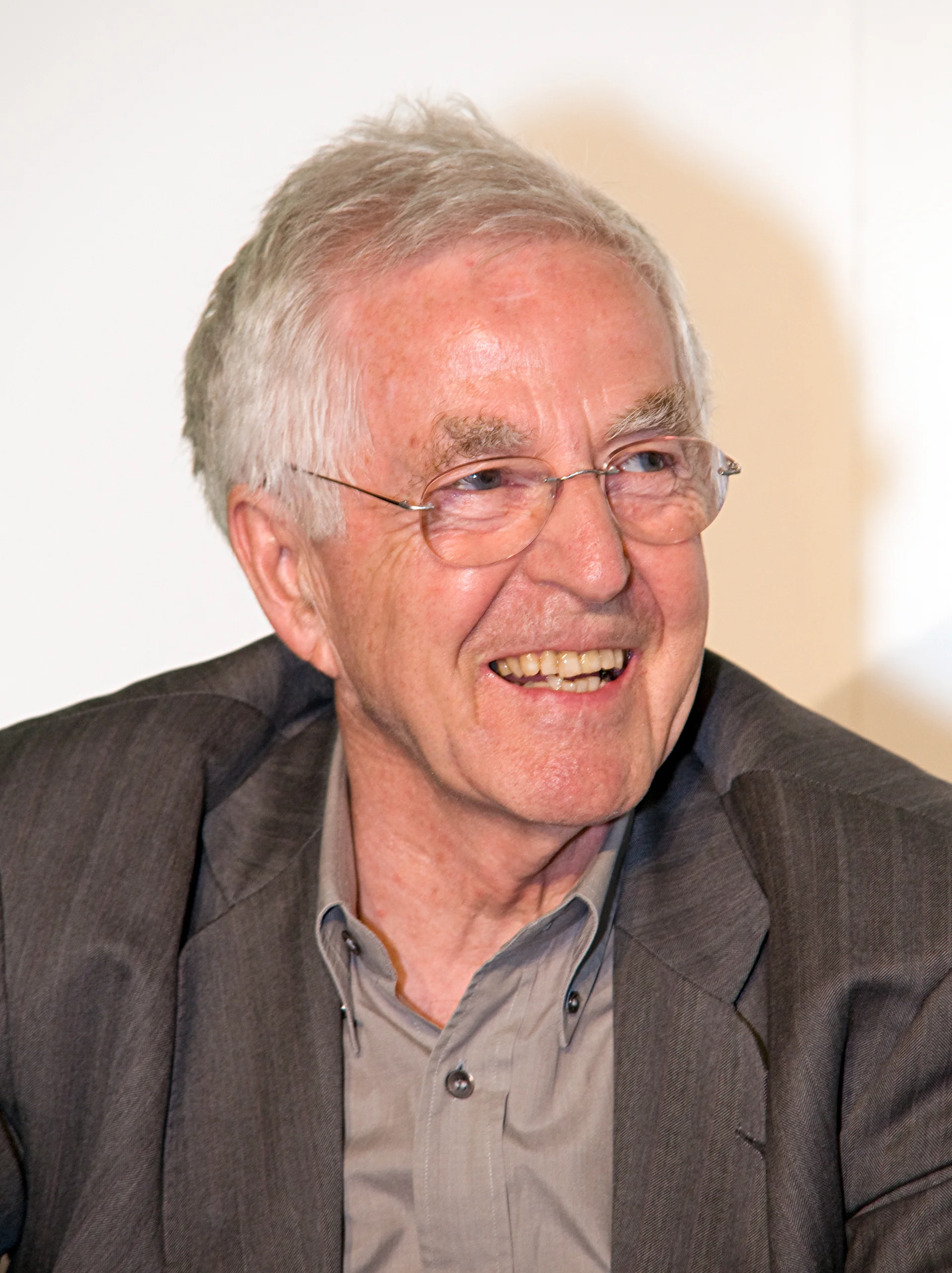
Albert Speer
 Germany
politician•architect•Holocaust perpetrator
Also known as: Berthold Konrad Hermann Albert Speer, Hitler's Architect
Birthday
March 19, 1905
Birth Sign
Pisces
Birthplace
Mannheim, Germany
Age
Died at 76
Height
5 ft 11¾ in (1.82 m)
About
Berthold Konrad Hermann Albert Speer was a German architect and politician who rose to become one of Adolf Hitler's most trusted confidants. He served as the Reich Minister of Armaments and War Production during the final years of World War II and is widely remembered as the chief architect of the Third Reich. Born into a wealthy family in Mannheim, Speer possessed a natural talent for design that quickly caught the eye of the Nazi leadership. His career trajectory shifted dramatically after meeting Hitler in 1931, leading to a unique position of influence where he could shape the physical landscape of Germany.
His architectural vision was grandiose and totalitarian, designed to project power and permanence. He oversaw the construction of monumental structures like the new Reich Chancellery in Berlin and the massive Nazi Party rally grounds in Nuremberg. These projects utilized neoclassical forms on a colossal scale to intimidate and awe. Later, as Minister of Armaments, he managed the German war economy with ruthless efficiency, relying heavily on forced labor from concentration camps to maintain production levels despite Allied bombing campaigns.
After the war, Speer faced trial at Nuremberg. He adopted a strategy of partial admission, accepting responsibility for the use of slave labor while denying knowledge of the Holocaust's extermination policies. This calculated defense convinced the tribunal he was less culpable than others, sparing him the death penalty in favor of a twenty-year prison sentence. He spent those years in Spandau Prison and later lived in seclusion until his death in 1981. His legacy remains a focal point for debates about guilt, repentance, and the moral responsibilities of professionals under tyranny.
Early Life & Background
Berthold Konrad Hermann Albert Speer entered the world on March 19, 1905, in Mannheim, Germany, born into a prosperous upper-middle-class family. His father, Albert Friedrich Speer, was a successful architect and builder, while his mother, Maria Magdalena Scholl, came from a wealthy background. This environment fostered an early interest in architecture, exposing young Albert to the profession through his father's work. He attended the University of Karlsruhe before transferring to the Technical University of Berlin to study under the renowned professor Heinrich Tessenow. His academic journey was rigorous, culminating in the completion of his doctorate in 1927.
Before entering the political sphere, Speer established himself as a practicing architect in Munich and Berlin. He designed residential buildings and commercial structures that showcased a modernist style, distinct from the traditionalist tastes of the time. His professional reputation grew steadily as he completed various commissions that demonstrated his technical skill and innovative approach to space. During this period, he married Margarete Weber on August 28, 1928. The couple settled into a relatively private life, raising a family while Speer focused on his architectural career.
The turning point in his life arrived in 1931 when he met Adolf Hitler. Speer presented a design for the German Pavilion at the Paris International Exposition of 1937, a project that impressed the Führer with its dramatic scale and neoclassical elements. This encounter opened the door to a unique relationship with the Nazi leader. Hitler recognized Speer's talent and appointed him as his personal architect, a role that would soon expand into political power. By 1933, he was named General Building Inspector for the Reich Capital, giving him unprecedented authority over the urban planning of Berlin. This appointment marked the end of his independent architectural practice and the beginning of his involvement in the machinery of the Nazi state.
Career Growth
Speer's ascent within the Nazi hierarchy accelerated rapidly following his initial success with Hitler. In 1933, he assumed the role of General Building Inspector for the Reich Capital, a position that allowed him to reshape Berlin according to his monumental vision. His most ambitious project was "Germania," a plan to rebuild the city into a capital designed to last a thousand years. Key undertakings included the redesign of the Reich Chancellery and the vast Nazi Party rally grounds in Nuremberg, featuring the Zeppelin Tribüne and the Great Hall. These structures were intended to awe and intimidate, utilizing neoclassical forms on a colossal scale.
In February 1942, following the death of Fritz Todt, Speer was appointed Reich Minister of Armaments and War Production. In this capacity, he revolutionized German war production through rationalization and the strategic use of slave labor. Despite the relentless Allied bombing campaign, Speer claimed to have achieved an "armaments miracle" by significantly increasing output until late 1944. His management of the war economy relied heavily on the exploitation of prisoners from concentration camps, a decision that would later define his legal culpability.
After Germany's surrender in 1945, Speer was arrested and tried at the International Military Tribunal in Nuremberg. He was convicted of war crimes and crimes against humanity, specifically regarding his use of slave labor. Unlike many of his peers who maintained innocence, Speer adopted a strategy of partial admission, accepting responsibility for forced labor but denying knowledge of the Holocaust's extermination policies. This calculated defense led to a conviction on two counts but spared him the death penalty. He was sentenced to 20 years in prison, serving his full term at Spandau Prison in Berlin until his release in October 1966. Following his release, he lived in seclusion in Wiesbaden, writing his memoirs and avoiding public attention until his death.
Career Timeline
Public Image & Style
Albert Speer cultivated a public image of the "good Nazi," a technocrat who was merely doing his job and unaware of the genocide. This persona was carefully constructed during the Nuremberg Trials and maintained in his post-war writings. He was known for his charismatic presence, sharp dress, and meticulous grooming, which contributed to his ability to gain Hitler's trust. Media portrayals range from sympathetic biopics to critical examinations of his guilt. His legacy is universally viewed through the lens of historical accountability, focusing on the moral implications of his actions and the architectural legacy of the Third Reich.
Fame & Fandom (iFAMOUS Rankings)
Albert Speer stands as a figure of enduring, albeit dark, notoriety within global cultural memory. His architectural ambitions for the Third Reich and his calculated post-war rehabilitation have cemented his place in history books and modern discourse alike. According to the 100th most famous person from Germany, he maintains a steady position among the nation's most recognized historical figures. This prominence extends beyond national borders into specific professional spheres, where he is cited as the 61st most famous person in Art & Design. These placements reflect a sustained global attention that tracks media coverage, search activity, and consumption signals worldwide. The rankings belong to the iFANN Global Fame Rankings, which document his standing without relying on transient trends.
Despite this high visibility, there is no organized fanbase or formal fandom associated with Speer. Unlike celebrities who inspire devotion, Speer is universally viewed through the lens of historical accountability and moral reckoning. No fan campaigns, birthday billboards, or interactive rituals exist to celebrate him; instead, public engagement remains strictly analytical. The absence of a named community underscores the unique nature of his legacy: one defined by legal scrutiny and the weight of crimes against humanity rather than the adoration typical of pop culture icons.
Interesting Facts and Legends
Albert Speer is often cited as the only member of Hitler's inner circle who admitted to knowing about the Holocaust's atrocities, though historians continue to debate the extent of his actual knowledge. During the Nuremberg Trials, he famously stated that he regretted not killing Hitler sooner, a quote that reflects his later remorse and attempts at redemption. Another notable fact is his obsession with scale; he designed the Zeppelin Tribüne in Nuremberg to hold 340,000 people, making it one of the largest stands ever built for a political rally.
Speer's relationship with Hitler was described by some historians as one of "unrequited love," characterized by deep emotional dependency and admiration. This bond shielded Speer from the worst ideological extremes of the regime until the very end. After his release from prison, he published his memoirs, Inside the Third Reich, which became a bestseller and fueled decades of scholarly debate regarding the authenticity of his repentance. His architectural style, known as "Speerian Classicism," blended neoclassical forms with modernist techniques, creating a unique aesthetic that defined the visual identity of the Third Reich.
Notable Quotes
“I was educated not to think.”
“The only thing I regret is that I did not kill Hitler sooner.”
“We must face the truth.”
Family & Personal Life
Albert Speer was born into a wealthy, upper-middle-class family in Mannheim. His father, Albert Friedrich Speer, was a successful architect and builder, and his mother, Maria Magdalena Scholl, came from a prosperous background. This environment fostered an early interest in architecture. Speer married Margarete Weber on August 28, 1928. She was a former student of his mother-in-law and a close friend of the family. The couple remained married until Speer's death in 1981; there were no other public marriages or long-term romantic relationships documented. They had five children together: Hilde, Helmut, Ellen, Albrecht, and Miriam. The family lived a relatively private life during the Nazi era, though they were aware of the regime's atrocities. Margarete supported her husband throughout his imprisonment and subsequent retirement.
Notable Connections
Relationships & Dating History
Albert Speer married Margarete Weber on August 28, 1928. She was a former student of his mother-in-law and a close friend of the family. The couple remained married until Speer's death in 1981; there were no other public marriages or long-term romantic relationships documented. They had five children together: Hilde, Helmut, Ellen, Albrecht, and Miriam. The family lived a relatively private life during the Nazi era, though they were aware of the regime's atrocities. Margarete supported her husband throughout his imprisonment and subsequent retirement. There are no records of other public romantic partners, flings, or engagements prior to or during his marriage. As of his death in 1981, he was widowed (by his wife's later death, which occurred after his, though she survived him by many years).
- MarriedMargarete Weber1928 - 1981Remained married until his death; had five children together.
Death & Aftermath
Died
September 1, 1981 (aged 76)
Death Place
Kensington, London, England
Cause of Death
Cerebral hemorrhage (stroke)
Albert Speer died on September 1, 1981, at the age of 76 in his home located in Kensington, London. The official cause of death was a cerebral hemorrhage, commonly known as a stroke, which occurred while he was resting. Biographical records confirm he passed away peacefully in his sleep without any reported struggle or external circumstances complicating the event. His death came fifteen years after his release from Spandau Prison, where he had served a full twenty-year sentence for war crimes and crimes against humanity.
Public reaction to his passing was marked by silence rather than celebration or widespread mourning. Unlike figures who might command public tributes, Speer's legacy remained deeply controversial and divisive within the historical community. There were no state funerals, vigils, or large-scale memorials organized in his honor. Instead, the funeral was a private affair attended only by close family members, including his wife Margarete and their children. This low-key ceremony reflected both his own desire for privacy during his retirement and the lack of public sympathy for his role in the Nazi regime.
Following his death, the management of his estate fell to his family, primarily his wife Margarete and their five children. They oversaw the preservation of his extensive library and personal papers. A significant portion of the estate's activity involved the continued publication and translation of his memoirs, Inside the Third Reich and Spandau Diaries, which generated royalties and kept his narrative in circulation. While his architectural drawings and plans became valuable historical artifacts for researchers, the family largely retreated from public life. Posthumous scholarly work has increasingly challenged the "repentant technocrat" persona he cultivated, leading to a more critical re-evaluation of his sincerity regarding the Holocaust. Recent biographies continue to dissect the complex relationship between his architectural genius and his complicity in genocide, ensuring his story remains a subject of intense academic debate rather than simple remembrance.
Net Worth (Estate Value)
$2 Million
iFANN Editorial Team estimate
As a deceased historical figure whose wealth was largely consumed by the collapse of the Third Reich and who spent 20 years in prison, specific net worth figures for 2026 are not applicable in the way they are for living celebrities. His estate value is estimated based on the posthumous earnings of his literary works. His memoirs, Inside the Third Reich, remain in print and generate royalties, managed by his family. The exact financial value of his estate is not publicly disclosed, but it is understood to be modest compared to the wealth he had access to during the Nazi era. The primary revenue sources for his estate today are book sales, licensing of his writings, and archival fees for historical research. iFANN currently estimates Albert Speer's estate value at approximately $2 million, derived from the ongoing commercial viability of his published works and the historical significance of his archives.
Awards & Accolades
View 4 records, honours and achievementsKnown For
Inside the Third Reich
1969 · Author
Spandau Diaries
1975 · Author
Keywords
Sources
Quick Facts
- Profession
- politician, architect, Holocaust perpetrator
- Born
- March 19, 1905
- Birthplace
- Mannheim, Germany
- Died
- September 1, 1981
- Death Place
- London, England
- Gender
- Male
- Spouse
- Margarete Weber
- Birth Sign
- Pisces
Personal Details
- Full Name
- Berthold Konrad Hermann Albert Speer
- Height
- 5 ft 11¾ in (1.82 m)
- Spouse
- Margarete Weber
- Children
- Hilde Speer · Helmut Speer · Ellen Speer · Albrecht Speer · Miriam Speer
- Education
- Technical University of Berlin
Frequently Asked Questions
What was Albert Speer's role in the Nazi regime?
Why didn't Albert Speer get the death penalty?
How many children did Albert Speer have?
Did Albert Speer know about the Holocaust?
Where did Albert Speer die?
Similar People
Join the community
fans discussing