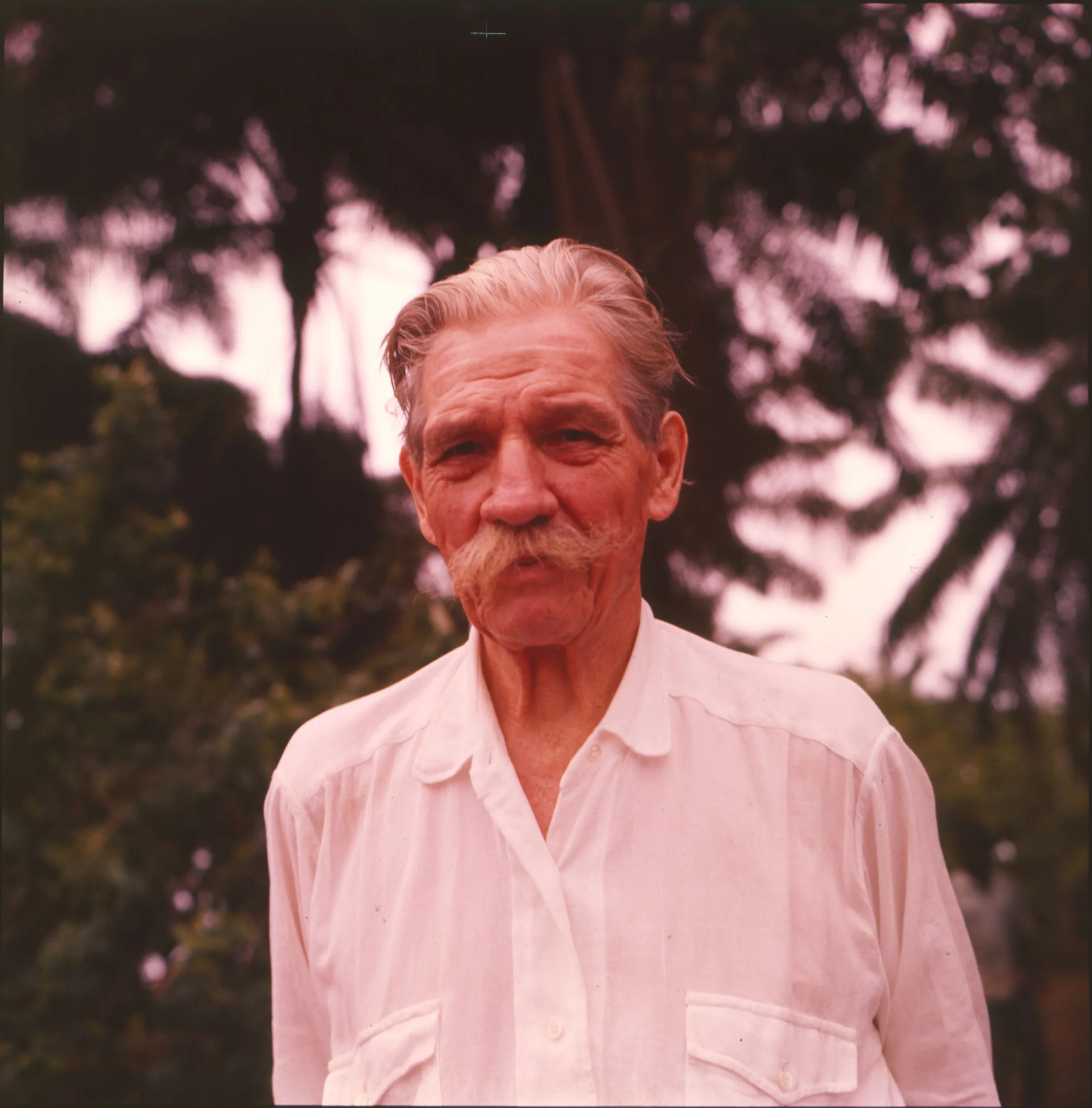
Albert Schweitzer
 Germany
theologian•philosopher•physician•organist•musicologist
Also known as: Dr. Albert Schweitzer, Hans Albert Schweitzer
Birthday
January 14, 1875
Birth Sign
Capricorn
Birthplace
Kaysersberg, Alsace (then German Empire, now France)
Age
Died at 90
About
Albert Schweitzer was an Alsatian-German theologian, organist, musicologist, philosopher, and physician whose life defined the modern concept of humanitarian service. Born on January 14, 1875, in Kaysersberg, he emerged from a devout Lutheran family and showed prodigious musical talent early in life. By his late twenties, he had established himself as a leading Bach scholar and an accomplished concert organist, gaining international acclaim for his interpretations of Johann Sebastian Bach's works. His philosophical contributions were equally impactful; he formulated the ethic of "Reverence for Life," first articulated in his 1923 book Civilization and Ethics.
In medicine, his major project was the founding of the Albert Schweitzer Hospital in Lambaréné, French Equatorial Africa (now Gabon), in 1913. Initially a small dispensary, it grew into a fully functioning hospital that served thousands of patients annually. Schweitzer personally performed surgeries, often without anesthesia or proper facilities, until his death. His work earned him worldwide recognition, culminating in the Nobel Peace Prize in 1952. He remained in Lambaréné until his passing on September 4, 1965, leaving behind a legacy of compassion and dedicated service.
Early Life & Background
Hans Albert Schweitzer was born into a devout Lutheran family in Kaysersberg, Alsace, which was then part of the German Empire. His father, Ludwig Schweitzer, served as a pastor, and his mother, Adeline, instilled in him a deep sense of moral duty. From the age of six, Schweitzer began playing the organ, displaying a natural aptitude that would define his early career. He pursued higher education at the University of Strasbourg, where he studied theology, philosophy, and music, earning degrees in both theology and philosophy.
By his late twenties, Schweitzer had established himself as a leading Bach scholar and an accomplished concert organist. He gained international acclaim for his interpretations of Johann Sebastian Bach's works and his advocacy for the Organ Reform Movement. In 1905, he published The Quest of the Historical Jesus, which challenged traditional Christian theology, and completed his biography of Bach. Despite this success as a professor and performer, Schweitzer experienced a profound existential crisis around 1905. He felt a disconnect between his intellectual pursuits and the needs of humanity. At age 30, he decided to abandon his prestigious academic career to study medicine. He enrolled at the University of Strasbourg in 1911, working two jobs to support himself while studying, eventually earning his medical degree in 1913. This decision marked the beginning of his most significant career phase: establishing a hospital in Lambaréné.
Career Growth
Schweitzer's career success is defined by his dual legacy in the arts and medicine. As a musician, his breakthrough came with his 1905 publication on Bach and his subsequent performances across Europe, where he raised funds for his future mission. His philosophical contributions were equally impactful; he formulated the ethic of "Reverence for Life," first articulated in his 1923 book Civilization and Ethics. This philosophy posited that all living beings possess inherent value and must be respected.
In medicine, his major project was the founding of the Albert Schweitzer Hospital in Lambaréné in 1913. Initially a small dispensary, it grew into a fully functioning hospital that served thousands of patients annually. Schweitzer personally performed surgeries, often without anesthesia or proper facilities, until his death. His work earned him worldwide recognition, culminating in the Nobel Peace Prize in 1952. During World War I, he was interned as an enemy alien in France but continued to treat patients and organize relief efforts. The hospital expanded significantly in 1957 with new buildings funded by international donations. Schweitzer continued his work in Lambaréné until his death in 1965.
Career Timeline
Public Image & Style
Schweitzer is portrayed as a saintly figure of compassion and dedication. Media portrayals emphasize his humility, intellectual depth, and unwavering commitment to service. His content, whether written or spoken, maintains a tone of profound empathy and philosophical rigor. He is often depicted wearing simple clothing suitable for tropical climates, reflecting his practical approach to life and work.
Fame & Fandom
Albert Schweitzer commands a legacy defined not by a pop culture fandom with rituals or campaigns, but by an institutional devotion sustained through the Albert Schweitzer Fellowship. This network of medical students and physicians operates globally to uphold his philosophy, turning historical reverence into active service rather than fan worship. While no formal fanbase name exists for this group, their dedication is evident in annual events like Albert Schweitzer Days and the awarding of the Schweitzer Medal. In the broader landscape of global attention, where influence is measured across media coverage and consumption signals worldwide, Schweitzer maintains a distinct position among historical figures. He is currently the 19th most famous person in Religious Leaders, a placement that reflects his enduring impact on theology and humanitarianism. This ranking represents a steady standing in the iFANN Global Fame Rankings, placing him firmly within the upper echelon of recognized spiritual authorities. His fame rests on verified historical achievements rather than contemporary celebrity trends, ensuring that his reputation remains stable and authoritative across generations.
Interesting Facts and Legends
Albert Schweitzer abandoned a prestigious career as a theologian and accomplished organist at the University of Strasbourg to establish a hospital in Lambaréné, Gabon, in 1913. This radical life choice serves as the primary legend surrounding his persona, often cited as the ultimate example of self-sacrifice when he traded the concert stage for a jungle clinic. He received the Nobel Peace Prize in 1952, becoming one of the few individuals to win both the Nobel Prize in Literature and the Nobel Peace Prize. The prize specifically recognized his philosophy of "Reverence for Life," which posits that all living beings possess inherent value. This concept, detailed in his 1923 book Civilization and Ethics, remains the guiding principle for the Schweitzer Fellows who work to address health disparities in underserved communities today. Unlike modern celebrities, Schweitzer did not experience crowd disruptions or viral moments during his lifetime; his extraordinary reactions occurred posthumously through the institutional adoption of his name and philosophy.
Notable Quotes
“Success is not the key to happiness. Happiness is the key to success. If you love what you are doing, you will be successful.”
“We should be careful to get out of an experience only the wisdom that is in it, stop there!”
“Reverence for life is the foundation of my ethics.”
Family & Personal Life
Schweitzer married Helene Bresslau, a former student, in 1913. Their marriage was central to his life; she accompanied him to Lambaréné and managed the household and administrative aspects of the hospital. They had no biological children together, but they raised several adopted children and mentored many young medical students who joined their mission. Helene died in 1957, and Schweitzer remained widowed until his own death eight years later. There are no records of other romantic relationships; his life was dedicated entirely to his work and his wife.
Notable Connections
Relationships & Dating History
Schweitzer's only confirmed romantic relationship was his marriage to Helene Bresslau. They met during her studies in Strasbourg, where he was a professor. They married in 1913, just before he left for Africa. The relationship was lifelong and deeply committed, with Helene playing a crucial role in supporting his mission. There were no divorces, engagements, or publicized flings. As of his death in 1965, he was widowed. No current partner exists as he has been deceased for over half a century.
- MarriedHelene Bresslau1913 - 1957She accompanied him to Lambaréné and managed the hospital administration until her death.
Death & Aftermath
Died
September 4, 1965 (aged 90)
Death Place
Lambaréné, Gabon
Cause of Death
Heart failure
Albert Schweitzer spent his final years at the Lambaréné Hospital in French Equatorial Africa, where he had served as a medical missionary since 1913 and continued to oversee operations until his condition became critical. On September 4, 1965, at the age of 90, he passed away from heart failure resulting from long-term health struggles and complications related to tropical diseases. The event occurred without legal ambiguity or suspicious circumstance, treated as a natural death within the mission hospital he founded. Tributes followed immediately from global institutions, including a statement from the United Nations highlighting his legacy of reverence for life, while France and Germany held state-level commemorations for the theologian and physician.
A funeral service took place on September 7, 1965, at the Lambaréné Hospital Chapel, attended by local villagers, colonial administrators, and international dignitaries before his burial on the hospital grounds. Posthumous efforts to preserve his work included the establishment of the Albert Schweitzer Fellowship for medical students and the continuation of the Lambaréné hospital under German management, ensuring his medical mission remains active in Gabon.
Net Worth (Estate Value)
$0
iFANN Editorial Team estimate
Net worth is not applicable in the traditional sense for a historical figure like Schweitzer, as he lived during an era before modern celebrity wealth metrics. He donated nearly all his earnings from concerts and lectures to fund his hospital and mission work. His estate, upon his death, was minimal, consisting mainly of the hospital infrastructure and his writings. Posthumous revenue streams include royalties from his books, licensing of his name for educational institutions, and the ongoing operations of the Albert Schweitzer Fellowship, which manages his legacy. The fellowship continues to raise millions annually for medical education and humanitarian projects in his name.
Awards Won (4)
Albert Schweitzer received numerous accolades throughout his life, most notably the Nobel Peace Prize in 1952 for his humanitarian work in Lambaréné and his philosophy of "Reverence for Life." He also won the Goethe Prize in 1924 for his contributions to culture and humanity. His honors include the Order of Merit of the Federal Republic of Germany, the Legion of Honour from France, and honorary degrees from Yale, Oxford, and the Sorbonne. Posthumously, the Albert Schweitzer Medal was established to honor individuals who exemplify his ideals.
1952 · Peace
Humanitarian work in Lambaréné
1924 · Culture
Contributions to culture and humanity
Known For
The Quest of the Historical Jesus
1906 · Author
Civilization and Ethics
1923 · Author
Albert Schweitzer Hospital
1913 · Founder
Keywords
Sources
Quick Facts
- Profession
- theologian, philosopher, physician, organist, musicologist
- Born
- January 14, 1875
- Birthplace
- Kaysersberg, Alsace
- Died
- September 4, 1965
- Death Place
- Lambaréné, Gabon
- Gender
- Male
- Spouse
- Helene Bresslau
- Birth Sign
- Capricorn
Personal Details
- Full Name
- Hans Albert Schweitzer
- Spouse
- Helene Bresslau
- Children
- Education
- University of Strasbourg
Frequently Asked Questions
What was Albert Schweitzer's profession?
Why did Albert Schweitzer go to Africa?
Did Albert Schweitzer win any awards?
How did Albert Schweitzer die?
What is the Albert Schweitzer Fellowship?
Similar People
Join the community
fans discussing