
Alan Duff
 New Zealand
Novelist•newspaper columnist•screenwriter
Birthday
October 26, 1950
Birth Sign
Scorpio
Birthplace
Rotorua, New Zealand
Age
75 years old
About
Alan Duff is a New Zealand novelist, newspaper columnist, and screenwriter. He is best known for his 1990 debut novel, Once Were Warriors, which became a cultural touchstone and was adapted into an internationally acclaimed film in 1994. As of 2026, he lives in Havelock North with his wife and children, continuing to write and advocate for Māori self-determination through his literary work and the Duffy Books In Homes charity he founded.
Duff's writing is marked by unflinching honesty about social issues, particularly those affecting Māori communities. His novels have sold hundreds of thousands of copies and sparked national debate, making him one of New Zealand's most significant literary voices. Fans and critics alike appreciate his raw, authentic storytelling, which draws from his own difficult upbringing.
Early Life & Background
Alan Duff was born on October 26, 1950, in Rotorua, New Zealand, to Gowan Duff, a scientist, and Kuia Hinau, of Ngāti Rangitihi descent. His childhood was marked by poverty and violence, experiences he has spoken about openly. He witnessed domestic violence firsthand, which deeply shaped his worldview and later his writing. Duff attended local schools in Rotorua, but details about his higher education remain private.
Before finding success as a novelist, Duff worked various jobs while developing his craft. He began writing columns for newspapers, where his sharp, often controversial commentary on social issues, particularly those affecting Māori communities, gained him a loyal readership. These early columns honed his voice and laid the groundwork for his fiction. His breakthrough came with the publication of Once Were Warriors in 1990, a novel that drew heavily from his own experiences and observations.
Career Growth
Alan Duff's career took off with the publication of Once Were Warriors in 1990. The novel's raw depiction of urban Māori life, domestic violence, and gang culture resonated across New Zealand, selling hundreds of thousands of copies and sparking national debate. In 1991, he received the Frank Sargeson Fellowship, a prestigious award for emerging writers, which allowed him to focus on writing full-time.
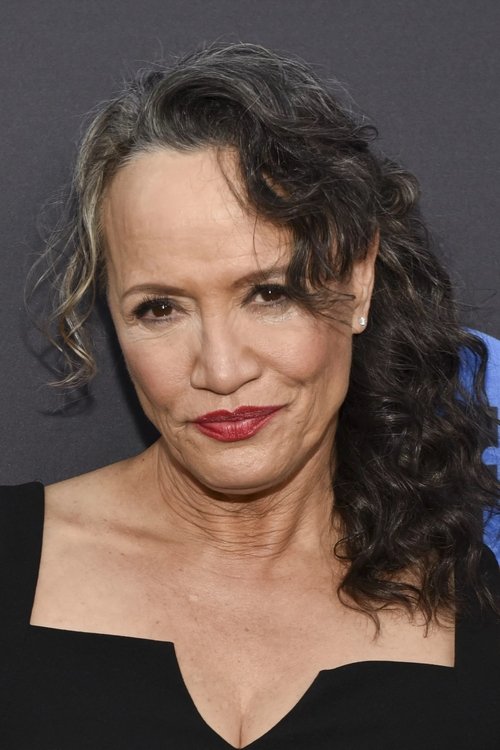
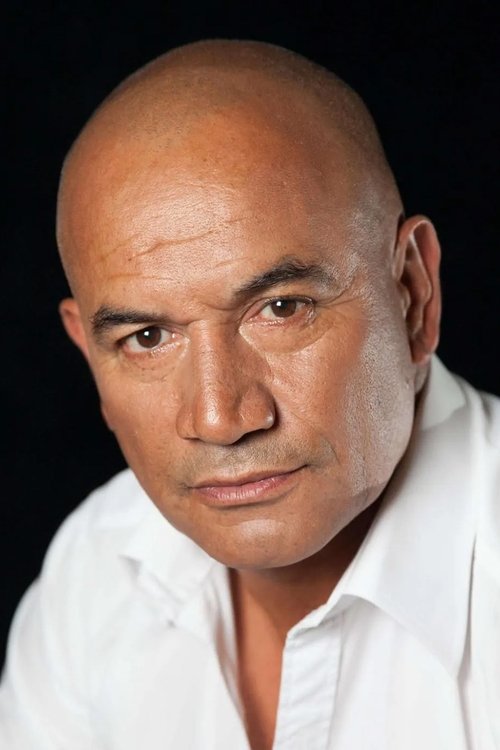
The 1994 film adaptation, directed by Lee Tamahori and starring Rena Owen and Temuera Morrison, became a landmark in New Zealand cinema. Duff co-wrote the screenplay, which earned critical acclaim and international distribution. He followed up with What Becomes of the Broken Hearted? (1997), also adapted into a film in 1999. Over the decades, Duff published eleven novels, including State Ward (2001), One Night Out (2003), Frederick's Coat (2012), and A Conversation with My Country (2015). He has remained active as a columnist and public commentator, often stirring debate with his views on welfare and Māori self-determination.
Career Timeline
Public Image & Style
Alan Duff is seen as a fearless, outspoken voice in New Zealand literature. He is known for his unflinching honesty and willingness to tackle difficult subjects, from domestic violence to systemic inequality. His public persona is that of a no-nonsense commentator who challenges conventional thinking, especially on issues of Māori welfare and personal responsibility. Fans appreciate his authenticity and his commitment to social change, while critics sometimes find his views controversial. His writing style is direct and powerful, earning him a reputation as one of New Zealand's most significant literary figures.
Fame & Fandom (iFAMOUS Rankings)
Alan Duff commands a following defined not by organized rallies or branded merchandise, but by the fierce, often fractious debates his work ignites across New Zealand. Readers and critics alike engage with his writing as a catalyst for national introspection rather than as a form of celebrity worship. There is no formal collective name for his audience; he operates as a polarizing public intellectual whose supporters value his bluntness while detractors challenge his views on social welfare and Māori self-determination. This lack of a traditional fanbase distinguishes him from pop culture icons who rely on structured communities to drive their legacy. In August 2026, iFANN's Global Fame Engine evaluated Alan Duff's standing within the global cultural landscape. The evaluation concluded that Alan Duff is currently unranked in the published Global Top 1,000 lists. He does not hold a placement in any Top-100 scope list, nor does he appear in specific genre rankings at this time. While his debut novel *Once Were Warriors* remains a cultural touchstone studied in schools and adapted into an internationally acclaimed film, his current profile reflects that of a respected author rather than a trending global figure. His influence persists through literary impact and media commentary, yet it has not translated into a measurable position within the current fame hierarchy. The absence of a ranked score indicates that his visibility, while significant regionally, falls below the threshold required for inclusion in the world's most famous person rankings.
Interesting Facts and Legends
Alan Duff is known for his bluntness and willingness to tackle difficult subjects like domestic violence and systemic inequality. He once stated he would not write *Once Were Warriors* again, reflecting how his perspective on storytelling has evolved over decades. In 2018, he founded Duffy Books In Homes, a charity providing books to disadvantaged children that mirrors his own journey from poverty to authorship. Despite his fame, he maintains a relatively private personal life, rarely sharing details about his family in public. The creation of *Once Were Warriors* in 1990 stands as the defining moment of his career. This novel depicted the brutal reality of urban Māori life so vividly that it forced the nation to confront its societal failures. The story of the book shaking the country became a legend in itself, serving as a reference point for what New Zealanders did not want their future to look like. Decades later, his controversial stance on welfare continues to generate headlines. In 2024, he claimed welfare was robbing Māori of self-dignity, reigniting debates that span years. These moments cement his reputation as a fearless voice willing to challenge conventional thinking on issues of Māori welfare and personal responsibility.
Notable Quotes
“Welfare is robbing Māori of 'self-dignity'.”
“I wouldn't write Once Were Warriors again.”
Family & Personal Life
Alan Duff is married and lives in Havelock North with his wife and children. He has four children, though some sources mention three, a discrepancy that may stem from different reporting timelines or counting methods. Public records do not disclose his wife's name or detailed information about their courtship, as Duff keeps his personal life private. His mother, Kuia Hinau, was of Ngāti Rangitihi descent, and his father, Gowan Duff, was a scientist. His upbringing, marked by poverty and violence, deeply influenced his writing and his commitment to social causes.
Notable Connections
Alan Duff's work has brought him into contact with several notable figures. Lee Tamahori directed the film adaptation of Once Were Warriors, and Rena Owen and Temuera Morrison starred in it, bringing his characters to life on screen. His parents, Gowan Duff and Kuia Hinau, played significant roles in his personal history, shaping his perspective on the world.
Relationships & Dating History
Alan Duff is a private person when it comes to his personal life. Public records do not disclose details about his romantic history before his marriage. He is currently married, and he lives with his wife and children in Havelock North, New Zealand. There are no widely reported public relationships prior to his marriage, nor any documented divorces or separations. As of 2026, he is reported to be married and living with his family.
- MarriedCurrentDetails about his marriage are not publicly disclosed, but he is married and lives with his family.
Salary, Net Worth In 2026
$2 Million
iFANN Editorial Team estimate
iFANN currently estimates Alan Duff's net worth at $2 Million. This figure reflects his earnings from book royalties, speaking engagements, and his work as a newspaper columnist. Unlike high-profile Hollywood figures, Duff's income is more modest, typical of established authors in New Zealand. His novels have sold well, particularly *Once Were Warriors*, which has been in print for decades and is studied in schools. He also earns from film adaptations, though those payments were likely one-time or royalty-based. His charitable work, while not a source of income, reflects his commitment to literacy and community development. There are no reports of major real estate holdings or business ventures beyond his primary residence and his publishing and charity work.
Awards Won (2)
Alan Duff has received recognition for his literary contributions, including the Frank Sargeson Fellowship in 1991. He was also appointed a Member of the Order of the British Empire (MBE) for services to literature and the community. While he has not won major international awards like the Booker Prize, his work has had a lasting impact on New Zealand culture.
1991 · Literary
Once Were Warriors
2011 · Honour
Services to literature and the community
Known For
Once Were Warriors
1990 · Author
What Becomes of the Broken Hearted?
1997 · Author
Keywords
Sources
Quick Facts
- Profession
- Novelist, newspaper columnist, screenwriter
- Born
- October 26, 1950
- Birthplace
- Rotorua, New Zealand
- Gender
- Male
- Birth Sign
- Scorpio
- Residence
- Havelock North, New Zealand
- Children
- 4
- Charity
- Duffy Books In Homes
Personal Details
- Full Name
- Alan Duff
- Children
- 4
Filmography
3
Total
2
Film
1
TV
Frequently Asked Questions
Who is Alan Duff?
How old is Alan Duff?
Is Alan Duff still alive?
Does Alan Duff have children?
What is Alan Duff's most famous book?
Similar People
Join the community
fans discussing