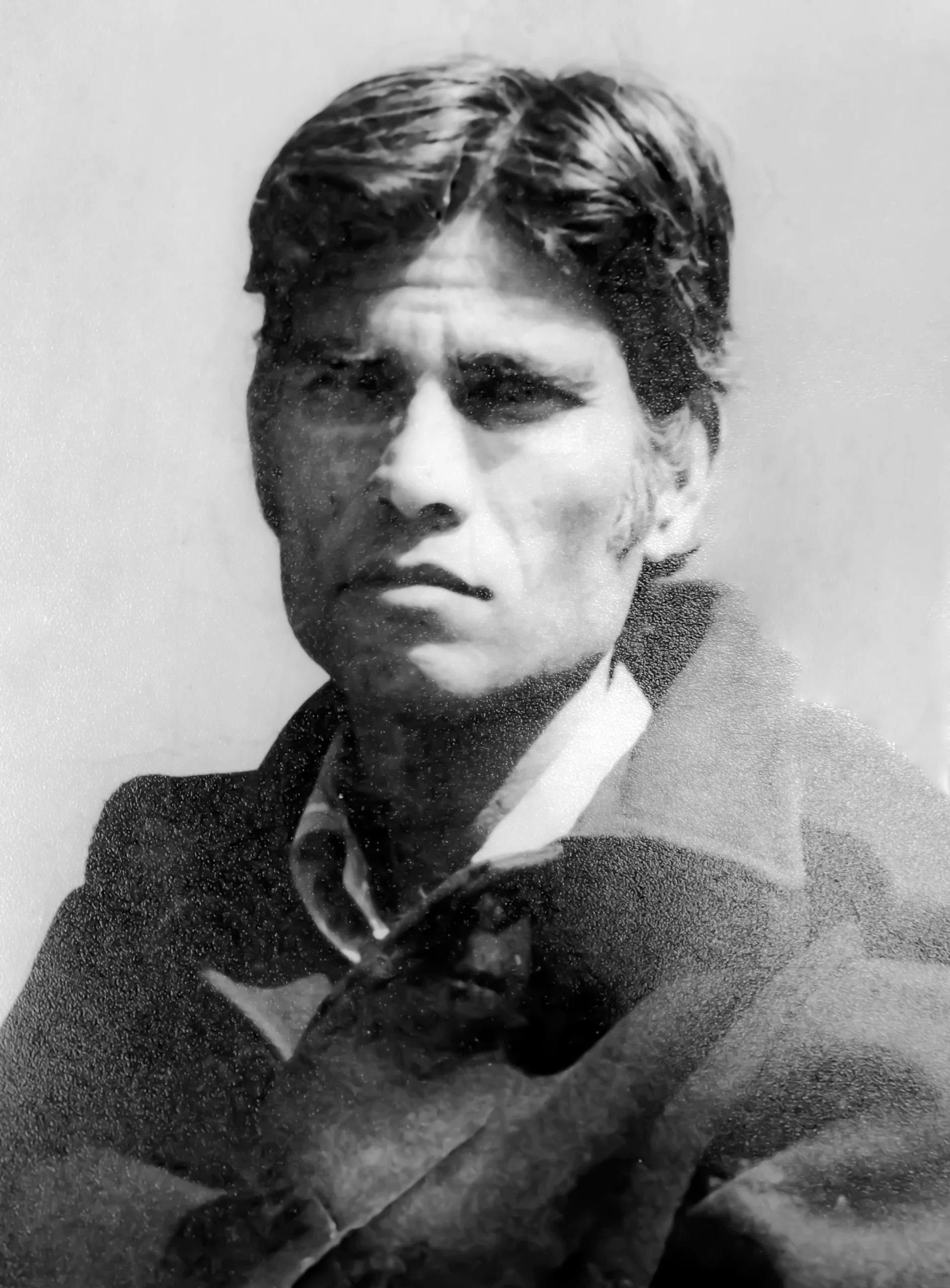
Akku Yadav
 India
IndiaAlso known as: Bharat Kalicharan Yadav
Birthday
1971
Birth Sign
Capricorn
Birthplace
Kasturba Nagar, Nagpur, Maharashtra, India
Age
Died at 33
About
Bharat Kalicharan Yadav (1971 – 13 August 2004), known globally as Akku Yadav, was an Indian criminal whose reign of terror in the Kasturba Nagar slum of Nagpur spanned over a decade before his death. He is remembered not for artistic achievements or commercial success, but for a brutal campaign of rape, extortion, and murder that terrified his local community. His life ended in a highly publicized mob lynching inside the Nagpur District Court, an event that shocked the nation and sparked global discussions on gender violence and the failures of the legal system.
Unlike celebrities or public figures with romantic histories and commercial careers, Akku Yadav's existence is defined entirely by his crimes and his violent demise at the hands of the women he victimized. His story has since become a subject of intense study in true crime circles and has been adapted into major media productions like the Netflix series Indian Predator: Murder in a Courtroom.
Early Life & Background
Bharat Kalicharan Yadav was born in 1971 in the Kasturba Nagar slum, a densely populated area in Nagpur, Maharashtra, India. He grew up in an environment rife with crime where rival gangs operated openly. His early life was marked by poverty and exposure to violence, which seemingly normalized criminal behavior for him. By the time he reached adulthood, he had established himself as a local enforcer and gang leader within the slum. There are no records of formal education or legitimate employment; his "career" began almost immediately with organized crime.
His descent into serious criminality accelerated in the early 1990s. By 1991, Yadav had committed his first known crime, a gang rape, marking the start of a thirteen-year spree of brutality. Operating under the guise of a local strongman, he led a gang that committed systematic atrocities against the residents of Kasturba Nagar. He built a small criminal empire by extorting money from shopkeepers and residents. Those who refused to pay faced torture, kidnapping, or home invasions. A pivotal element of his ability to operate for so long was the systemic corruption he cultivated. He regularly bribed local police officers, buying them drinks and cash to ensure they looked the other way or actively protected him from arrest.
For over a decade, Yadav used fear as his primary tool. He is accused of raping over forty women and girls, some as young as ten years old. These acts were often used as punishment for those who resisted his demands or as warnings to the community. He personally murdered at least three individuals and orchestrated others. The community lived in constant dread, unable to seek help from the very institutions meant to protect them. This era of unchecked violence set the stage for the eventual uprising that would end his life.
Career Growth
Akku Yadav did not have a breakthrough in the traditional sense of fame; rather, his notoriety grew through fear. From 1991 until his death in 2004, he maintained a reign of terror in Kasturba Nagar. His activities included systematic rape, murder, extortion, and home invasion. He successfully bribed local police officers to ignore his crimes and even provided them with protection. His criminal empire was built on the exploitation of the slum's most vulnerable residents, particularly women and children.
The turning point came when a woman named Usha Narayane resisted his advances and reported him. This act of defiance triggered a chain reaction among the women of the slum, who began to organize against their oppressor. On August 13, 2004, during a bail hearing at the Nagpur District Court, over two hundred women stormed the courtroom. They armed themselves with vegetable knives, stones, and chili powder to carry out a brutal lynching. The attack lasted only minutes, killing Yadav between 2:30 PM and 3:00 PM. In a particularly gruesome detail reported by multiple sources, his genitals were hacked off. The women claimed responsibility for the murder, stating they acted to avenge the rapes and murders committed by Yadav.
In the aftermath, over two hundred women were arrested and charged with rioting and murder. However, the public reaction was overwhelmingly supportive of the attackers. The community viewed the women as heroes who had finally broken the cycle of impunity that had plagued them for over a decade. Legal proceedings dragged on for years, but due to overwhelming public sympathy and the lack of evidence linking specific individuals to specific wounds, all accused were eventually released. By 2014, reports confirmed that all accused had been let off. No funeral was held for Yadav; his burial was quiet and devoid of public tributes due to the intense hostility from victims' families.
Career Timeline
Public Image & Style
Akku Yadav is portrayed in media solely as a monster. He represents the archetype of the unpunished criminal who becomes a catalyst for extreme public retribution. There is no style or aesthetic associated with him beyond the grim reality of his crimes. He is described in historical accounts as a weak, cowardly man in terms of character, though physically imposing enough to lead a gang in a slum environment. His legacy is one of pure evil and the ultimate failure of law enforcement to protect the vulnerable.
Fame & Fandom
iFANN has not yet collected fame data for this person. As a notorious criminal rather than a celebrity or artist, Akku Yadav does not hold a ranking in global fame metrics. Discussions about him occur in true crime communities, but these are analytical or horrified reactions, not fan admiration. He is not the subject of fan clubs, merchandise, or organized fan campaigns. His presence in popular culture is strictly as a cautionary tale and a subject of documentary analysis.
Interesting Facts and Legends
The use of chili powder by the lynch mob was a tactical move to blind and suffocate Yadav, preventing him from fighting back or escaping, adding a layer of humiliation to his death. For thirteen years, the local police force was not just passive but actively complicit, accepting bribes and protecting Yadav from legal consequences despite numerous complaints. Yadav famously used gang rape as a tool of psychological warfare, targeting young girls to instill fear in their families and the wider community.
The defining moment of his legacy is the Lynching in the Courtroom. This event is unique in modern criminal history for several reasons. It involved over two hundred women acting in unison inside a secure government building. Unlike typical vigilante cases where the perpetrator is vilified, the perpetrators here were hailed as heroes by the entire community and even received tacit support from sections of the media and judiciary. The act became a symbol of the failure of the state to protect women in India.
Notable Quotes
“We are ready to be arrested. We are ready to die. But we will not live with the fear of this man anymore.”
Family & Personal Life
There are no widely documented details about Akku Yadav's parents, siblings, or extended family members in public records. He grew up in the Kasturba Nagar slum, where his family likely lived in similar conditions of poverty and instability. He remained single throughout his life, not out of choice, but because his lifestyle precluded any form of stable personal relationship. His interactions with women were exclusively predatory, characterized by rape, extortion, and intimidation. He left no children or surviving immediate family members who emerged publicly after his death.
Notable Connections
Usha Narayane, Local Police Officers, Gang Associates
Relationships & Dating History
As a convicted serial rapist and gangster, Akku Yadav did not have any documented consensual romantic relationships, marriages, or engagements. His interactions with women were exclusively predatory, characterized by rape, extortion, and intimidation. Consequently, there is no dating history, no spouse, and no children to report. He remained single throughout his life, not out of choice, but because his lifestyle precluded any form of stable personal relationship. He is deceased, having been killed in 2004.
Death & Aftermath
Died
August 13, 2004 (aged 33)
Death Place
Nagpur, Maharashtra, India
Cause of Death
Mob lynching by stabbing and bludgeoning
The air in the Nagpur District Court grew thick with tension on August 13, 2004, as Bharat Kalicharan Yadav sat awaiting trial. Before the afternoon recess could conclude, over two hundred women from the Kasturba Nagar slum surged into the courtroom, armed with vegetable knives, stones, and clouds of chilli powder. They bludgeoned and stabbed the thirty-three-year-old gangster to death between 2:30 PM and 3:00 PM, ending his reign of terror through a premeditated act of vigilante justice that left no room for legal procedure. Initial police narratives attempted to frame the incident as a gang feud or a spontaneous disturbance, but investigations later confirmed the attackers were victims seeking retribution for rapes and murders committed against them.
The sheer scale of the assault, with reports citing up to seventy stab wounds, forced authorities to acknowledge the event as a targeted murder rather than internal conflict. Over two hundred women were arrested and charged with rioting and murder, yet the community rallied behind them, viewing the attackers as heroes who had finally broken the cycle of impunity. Legal proceedings dragged on amid overwhelming public sympathy, eventually resulting in bail for many accused and a de facto acquittal as the case faded without final convictions. No funeral was held for Yadav; the intense hostility from victims' families ensured his burial remained quiet and devoid of public tributes.
Decades later, the story resurfaced globally with the 2022 release of the Netflix docuseries Indian Predator: Murder in a Courtroom, which examined the strange dynamics of the lynching and the failure of the judicial system to protect the vulnerable.
Net Worth (Estate Value)
$0
iFANN Editorial Team estimate
There is no credible net worth figure for Akku Yadav. As a low-level gangster who lived in a slum and engaged in petty extortion and robbery, he did not accumulate significant assets. Any wealth he generated was likely spent on bribes, maintaining his gang, or short-term consumption. He left no estate, and there are no posthumous revenue streams, royalties, or business ventures managed by his family. His financial status remains effectively zero, and he is not the subject of financial estimation by celebrity net worth sites.
Awards & Accolades
Known For
Akku Yadav Case
2004 · Perpetrator
Indian Predator: Murder in a Courtroom
2022 · Subject
200: Halla Ho
2021 · Subject
Keywords
Sources
Quick Facts
- Profession
- serial killer, serial rapist
- Born
- 1971
- Birthplace
- India
- Died
- August 13, 2004
- Death Place
- Nagpur
- Gender
- Male
- Birth Sign
- Capricorn
Personal Details
- Full Name
- Bharat Kalicharan Yadav
- Children
Filmography
2
Total
1
Film
1
TV
Frequently Asked Questions
Who was Akku Yadav?
How did Akku Yadav die?
Why did the women kill Akku Yadav?
What happened to the women who killed him?
Is there a movie about Akku Yadav?
Join the community
fans discussing